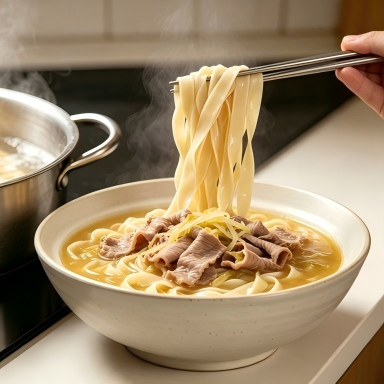
Guangdong Province has long been recognized as the birthplace of some of China's most beloved wheat-based noodle traditions. Jiangmen Liji Food Co., Ltd., based in Jiangmen City, Guangdong, has spent years refining the recipes, textures, and production methods that define this regional specialty. This guide walks through the history, ingredients, and manufacturing process behind these noodles, along with practical information for buyers, distributors, and food brands sourcing private-label products.
A Regional Tradition Rooted in Technique
Wheat noodle-making in southern China dates back generations, with families in the Pearl River Delta region developing distinct bamboo-pressing and egg-enrichment techniques that produce a springy, firm bite. This texture — often described as "elastic" or having "jook sing" quality — comes from a combination of flour selection, egg content, and traditional kneading methods passed down through generations of noodle makers.
Jiangmen Liji Food Co., Ltd. incorporates these time-tested methods into a modern production facility covering more than 10,000 square meters. Historically, cantonese noodles were made by hand using bamboo poles to knead the dough, a labor-intensive process that gave the noodles their signature springiness. Today, the company's production and research team of more than 100 people combines this traditional know-how with precision manufacturing equipment to maintain consistency at scale.
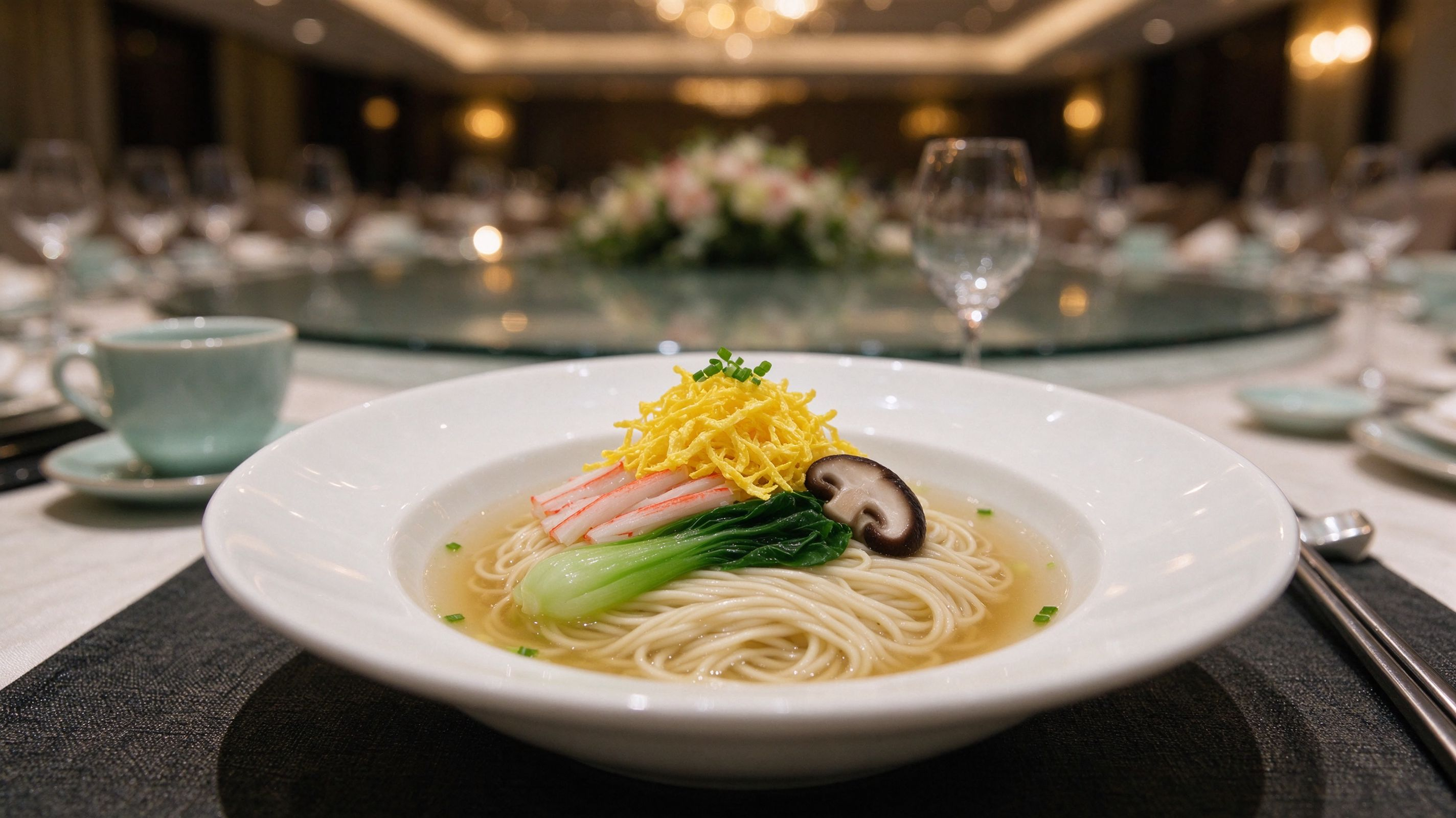
How Are These Noodles Made?
The production process begins with carefully selected wheat flour, which is blended with eggs and water to form a firm, elastic dough. This dough is then rolled, cut, and dried under controlled conditions to lock in texture while extending shelf life. According to the company, more than ten precision production lines allow for large-volume output without compromising quality control.
Key stages in the manufacturing process include:
Flour and egg blending — Selecting the right ratio of wheat flour, egg content, and water determines the final texture and flavor of the noodles.
Dough kneading and resting — The dough is worked extensively to develop gluten structure, which contributes to the signature chewy bite.
Rolling and cutting — Automated cutting equipment ensures uniform noodle width and thickness across every batch.
Controlled drying — Careful temperature and humidity management removes moisture while preserving the noodle's structural integrity.
Quality inspection — Every batch is tested against legal safety reports before packaging, meeting international health and safety regulations.
Packaging — A dedicated packaging team ensures each unit, whether bagged, boxed, or individually wrapped, arrives intact and safe for transport.
A dish made with cantonese chow mein typically relies on this same base dough, which is then either boiled fresh or pan-fried after a brief par-cook, depending on the final recipe application.
Comparing Preparation Styles
Different cooking methods bring out different qualities in the same base noodle. The table below outlines common preparation approaches and the texture outcomes buyers and food manufacturers can expect.
Preparation Method | Typical Texture Outcome | Common Use Case |
|---|---|---|
Boiled and served in soup | Soft, tender bite with broth absorption | Noodle soups, quick home meals |
Pan-fried after par-boiling | Crisp exterior, chewy interior | Stir-fried noodle dishes |
Deep-fried until crisp | Light, crunchy texture throughout | Topping for saucy noodle dishes |
Tossed with sauce, no frying | Firm, springy bite with sauce coating | Dry-tossed noodle plates |
Each method is suited to different retail and foodservice applications. Brands developing packaged meal kits often specify which preparation method their target consumer is most likely to use, which in turn shapes the ideal noodle thickness and par-cook level.
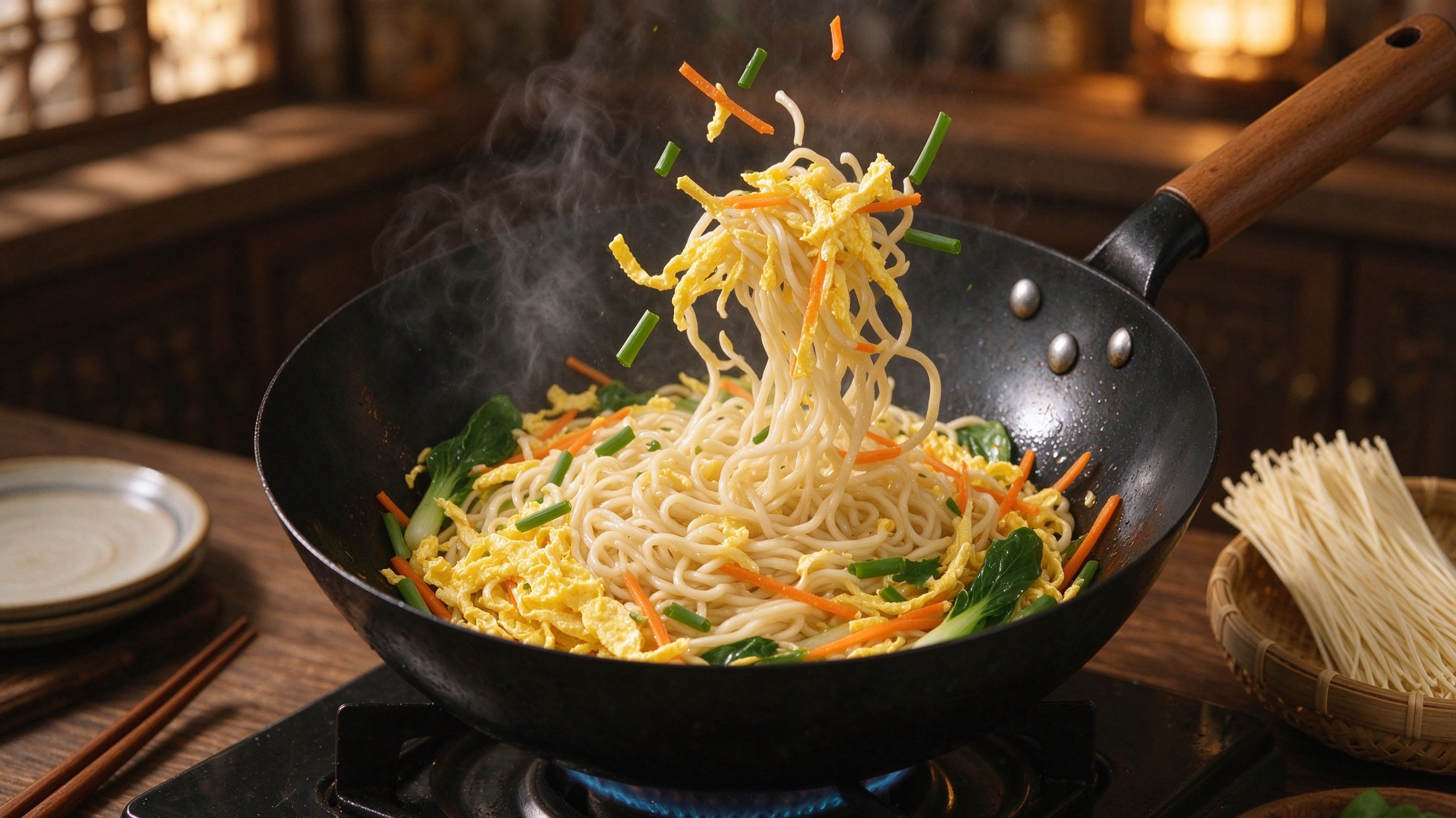
Why Does Noodle Texture Matter for Food Brands?
Texture is one of the primary factors that determines consumer satisfaction with packaged noodle products. A noodle that turns mushy after cooking, or one that clumps together, can damage a brand's reputation even if the flavor profile is strong. Jiangmen Liji Food Co., Ltd. addresses this by maintaining strict control throughout the entire production and inspection process, ensuring every batch meets consistent texture standards.
For distributors and private-label partners, this consistency matters for several reasons:
Repeat purchase behavior: Consumers return to products that perform the same way every time they're prepared.
Reduced customer complaints: Fewer texture-related issues mean fewer returns and support inquiries.
Brand reputation protection: Packaging may promote premium quality, but the eating experience ultimately confirms it.
Recipe flexibility: Noodles engineered for stir-frying, such as cantonese style chow mein formats, need to hold their shape under higher heat without becoming oily or soggy.
Packaging Formats for Different Markets
Jiangmen Liji Food Co., Ltd. offers several packaging formats designed to meet the needs of different retail and foodservice channels. Bag pack noodles are suited for high-volume grocery placement, while box pack and carton pack formats work well for bulk foodservice distribution or export shipping. Individual pack noodles are designed for convenience store and single-serving retail environments, where shelf space is limited and packaging needs to communicate quality quickly.
Private-label and OEM buyers can also request custom formulations, packaging designs, and portion sizes. The company's customization service covers everything from recipe formulation to final carton packing, giving international buyers a single point of contact throughout the sourcing process.
Frequently Asked Questions
Are egg noodles healthier than regular wheat noodles?
Egg noodles typically contain more protein than plain wheat noodles due to the added egg content, though the overall nutritional profile still depends on portion size and how the noodles are prepared or served.
How long do dried noodles typically last in storage?
Properly dried and packaged noodles generally have a long shelf life, often lasting many months when stored in a cool, dry environment away from direct moisture.
Can noodle recipes be customized for private-label brands?
Yes, manufacturers like Jiangmen Liji Food Co., Ltd. offer customization services covering recipe formulation, packaging design, and portion sizing to match a buyer's specific branding needs.
What makes a noodle suitable for stir-frying versus soup?
Noodles intended for stir-frying are typically par-cooked to a firmer texture so they hold up under high heat without becoming mushy, while soup noodles are often cooked to a softer finish that absorbs broth well.
Do manufacturers provide safety or quality testing documentation?
Reputable manufacturers back their products with legal test reports confirming compliance with international health and safety regulations, which buyers can request as part of the sourcing process.
Final Thoughts
Noodle quality comes down to a combination of ingredient selection, production technique, and rigorous quality control, all of which contribute to the final texture and eating experience. Jiangmen Liji Food Co., Ltd. brings together traditional Guangdong noodle-making knowledge with modern manufacturing capacity, serving supermarkets, distributors, and food brands around the world with bag, box, carton, and individual pack formats. For buyers exploring private-label partnerships or simply looking to source consistent, well-tested noodle products, more information on available formats and customization options can be found at www.lijinoodles.com.
-
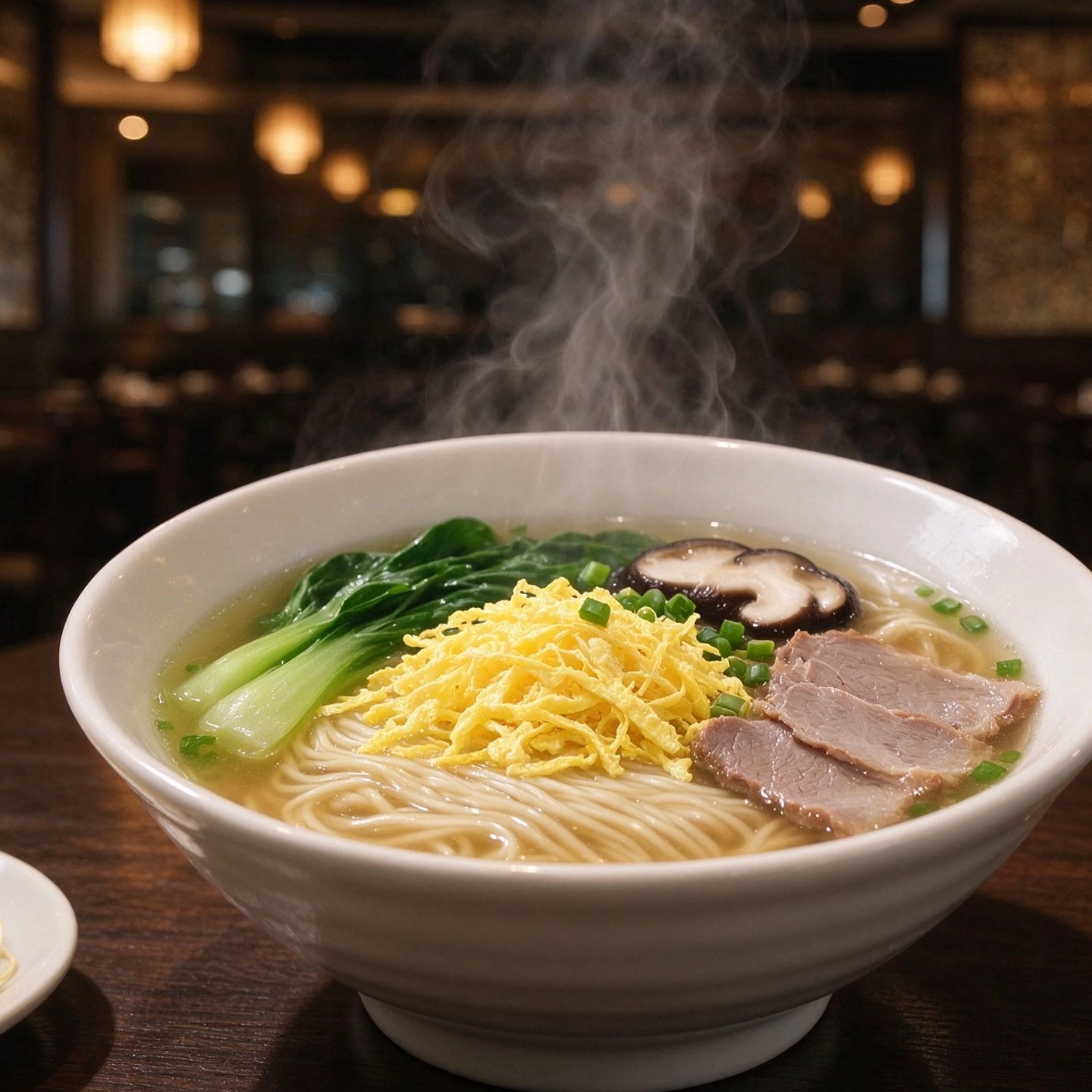 JIANGMEN LIJI FOOD CO., LTD. is an OEM carton pack dry noodles manufacturer that produces large-volume private-label orders for supermarkets, distributors, and food brands around the world. The company handles everything from recipe formulation to carton packing, giving buyers a single point of cont
-
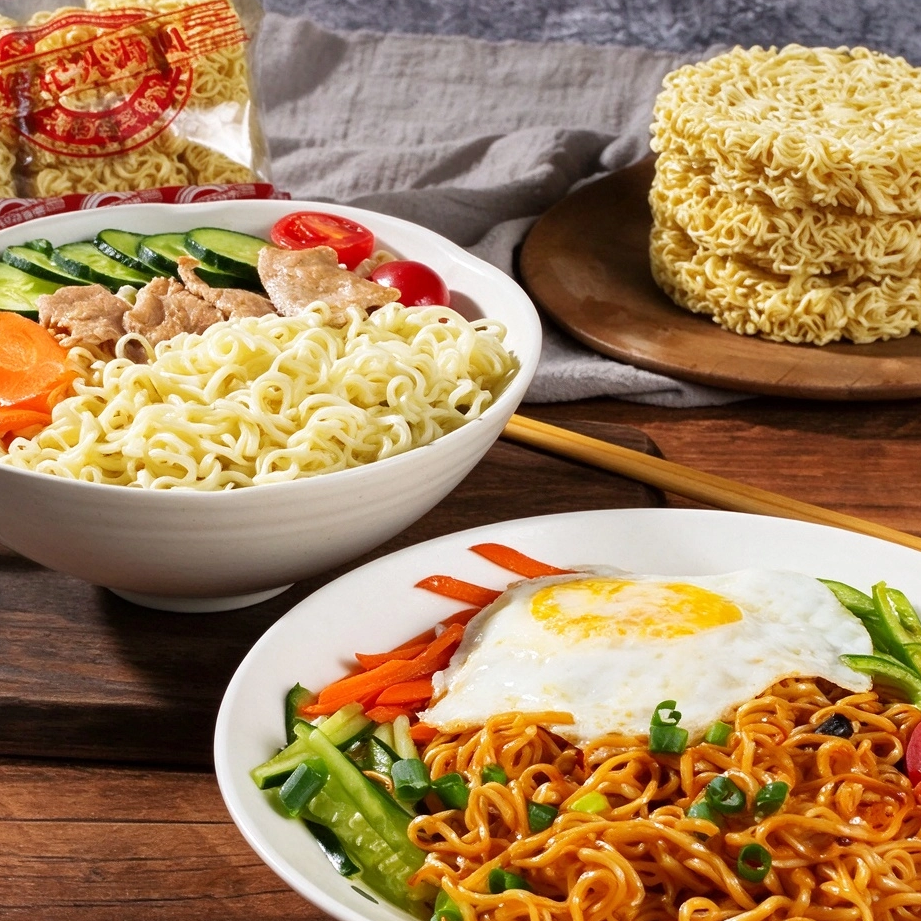 Convenience stores are some of the most competitive retail environments in the food industry. Shoppers typically spend only a few seconds scanning a shelf before making a decision, which means packaging has to do a lot of heavy lifting. For noodle brands, this is especially true. Individual pack for
-
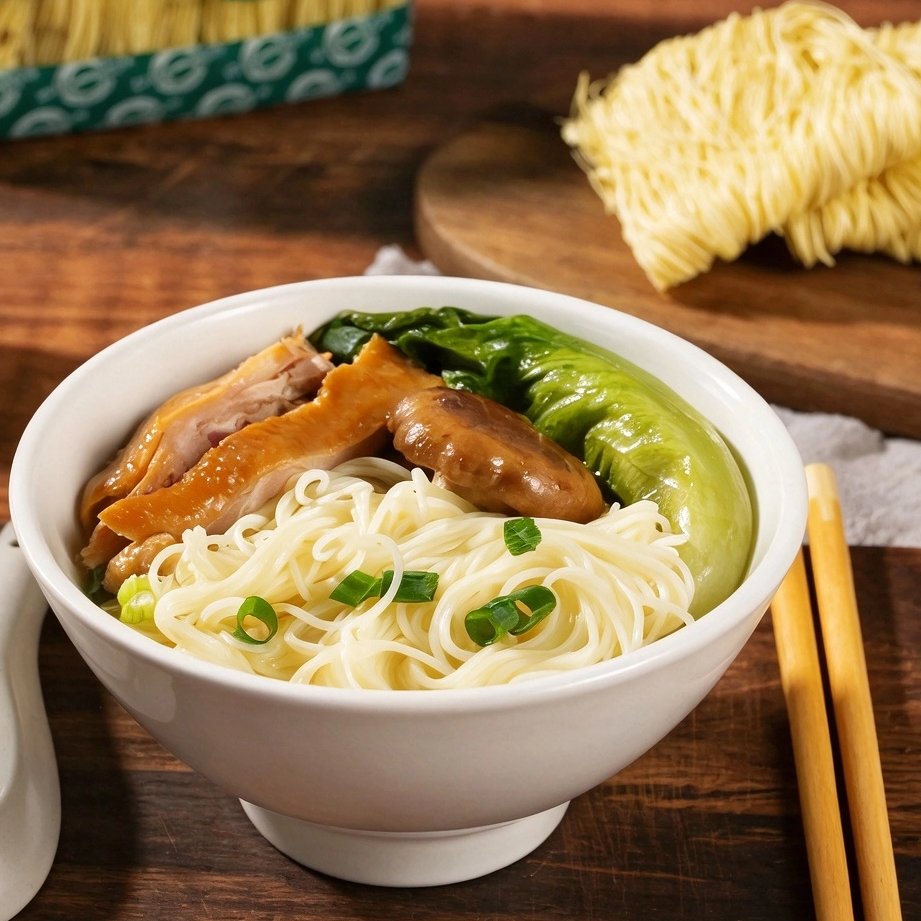 Dried Chinese egg noodles remain a pantry staple because they combine a long shelf life with the springy, firm texture that fresh egg noodles are known for, without requiring refrigeration. Families, restaurants, and retailers rely on them for quick meals that still deliver an authentic bite. This g
-
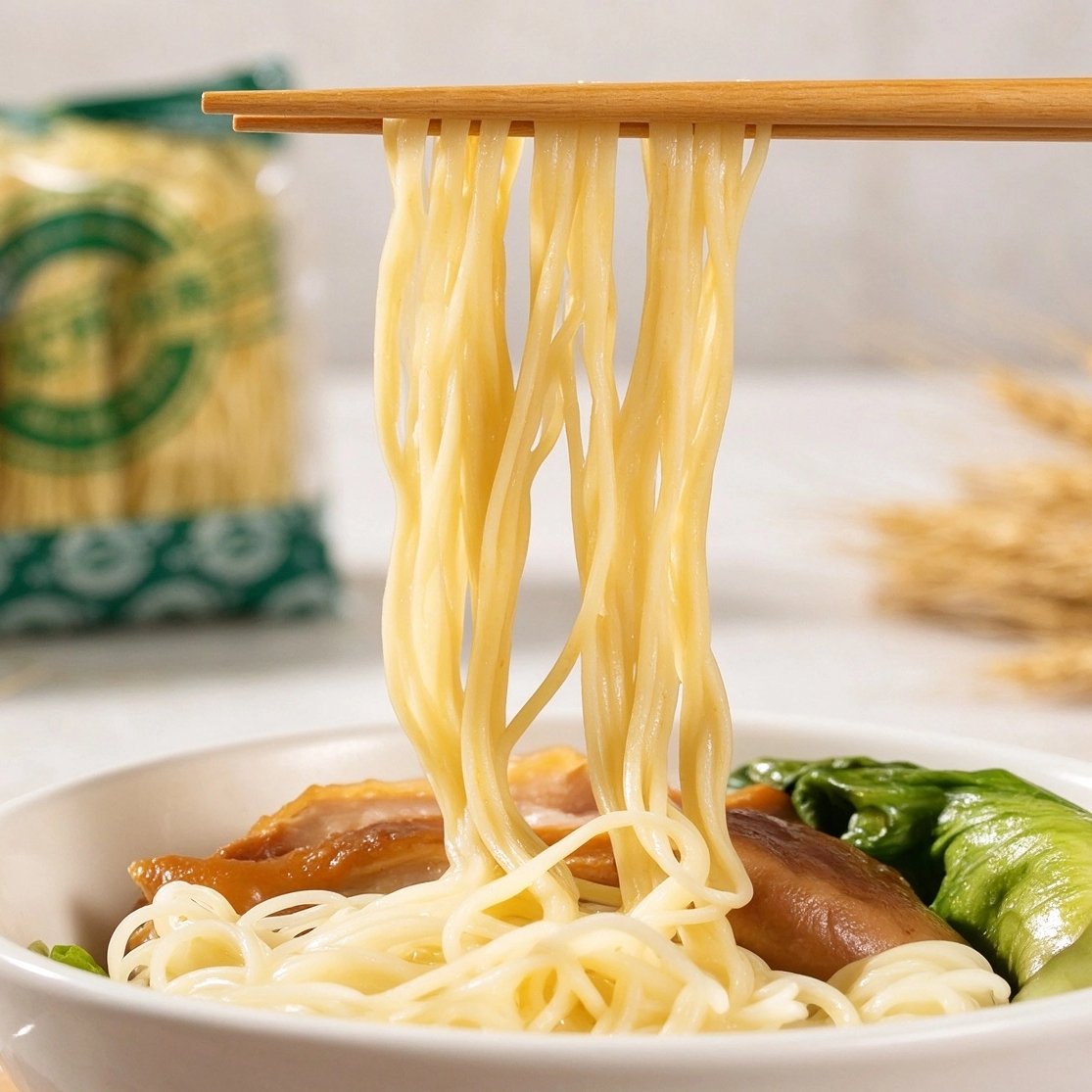 Buyers sourcing dried noodles for retail shelves, restaurant menus, or private label programs need more than a low price tag. Texture, cook consistency, shelf stability, and manufacturing reliability all determine whether a noodle product succeeds with end consumers. This guide walks through the noo
-
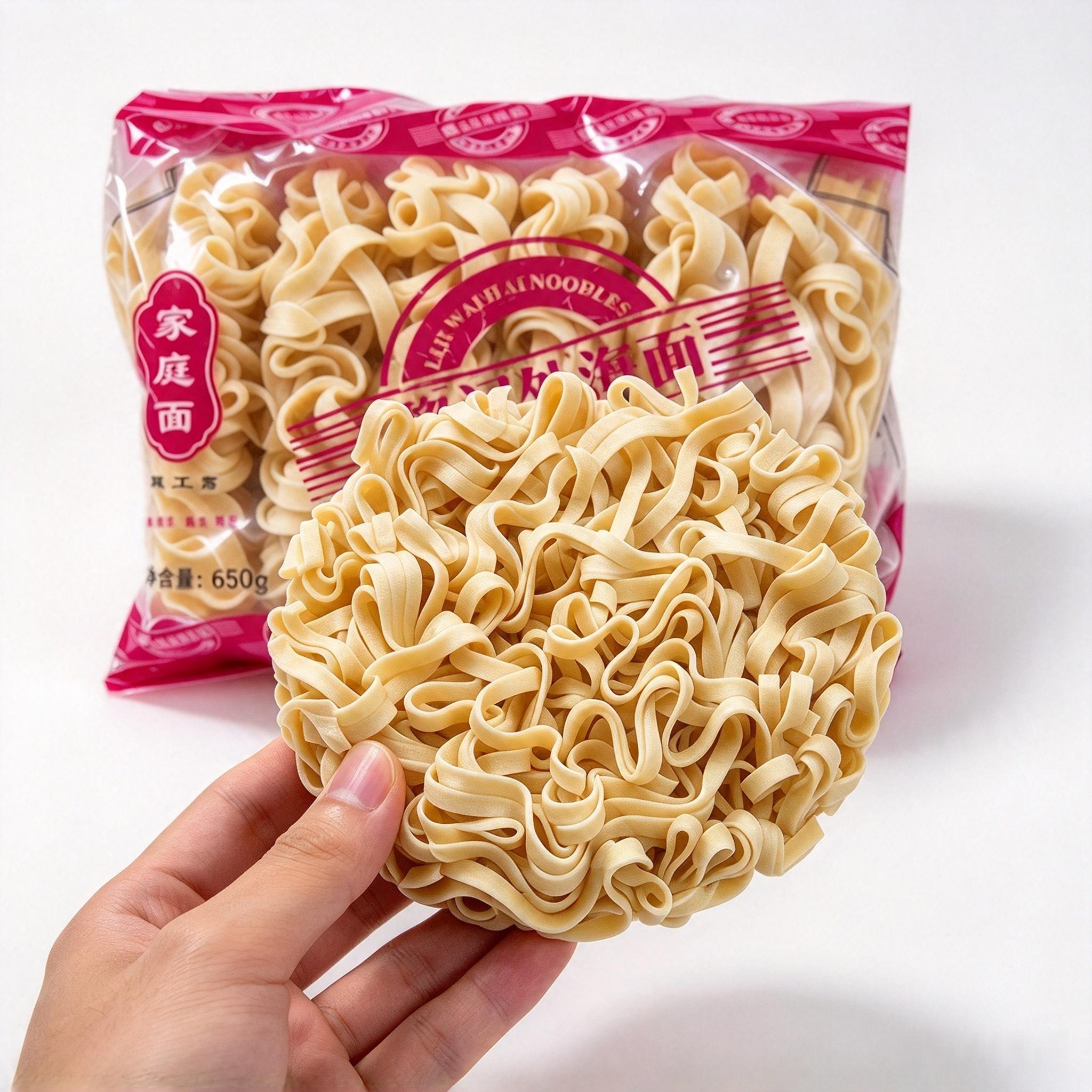 Building a private-label noodle line for a supermarket requires more than picking a product off a catalog. Retailers need a manufacturing partner who understands flavor development, packaging standards, and the logistics of large-scale food production. Getting this wrong can mean inconsistent batche
-
 Sourcing dried noodles for a retail shelf, a restaurant menu, or a private label line requires more than picking the first supplier that appears in a search. Buyers need consistent texture, reliable shelf life, and a factory that can scale production without compromising quality. This guide breaks d
Keep in touch with us
Jiangmen Liji Food Co., Ltd. is an integrated noodle manufacturer with 3 generations of heritage. We deliver premium Cantonese noodles via strong R&D, advanced production and complete supporting facilities.
Phone/Whatsapp:+86 13143141923
E-mail:cocochen@gdlijifood.com