Views: 0 Author: Site Editor Publish Time: 2026-11-13 Origin: Site


Convenience stores are some of the most competitive retail environments in the food industry. Shoppers typically spend only a few seconds scanning a shelf before making a decision, which means packaging has to do a lot of heavy lifting. For noodle brands, this is especially true. Individual pack formats sit alongside dozens of other quick-meal options, so a design that fails to stand out gets passed over, regardless of how good the product tastes inside.
Branded individual pack noodle designs win convenience store shelf space by combining bold, legible packaging, consistent brand colors, and clear flavor cues that grab attention in seconds. Strong designs also signal quality and freshness, which builds shopper trust and encourages repeat purchases even in crowded snack and noodle aisles.
This post breaks down what makes individual pack noodle designs successful on convenience store shelves, what production factors influence design choices, and how brands can select the right manufacturing partner to bring those designs to life.
Packaging is often the only communication a brand gets before a purchase decision is made. Unlike supermarket aisles where shoppers browse at a slower pace, convenience store customers are usually in a hurry. They want a quick, recognizable signal that tells them what they're buying and why it's worth grabbing.
Good packaging design does three things at once: it attracts attention, communicates flavor and quality, and reinforces brand identity. When these elements work together, a product becomes easier to recall on future visits, which builds the kind of repeat purchase behavior that convenience retailers value most.
Several visual and structural choices separate noodle packs that get picked up from ones that get ignored. The most effective individual pack designs tend to share these traits:
High-contrast color blocking that separates the product from neighboring packages, even when shelf space is tight
Bold, readable flavor labeling placed near the top third of the pack, where eye movement naturally lands first
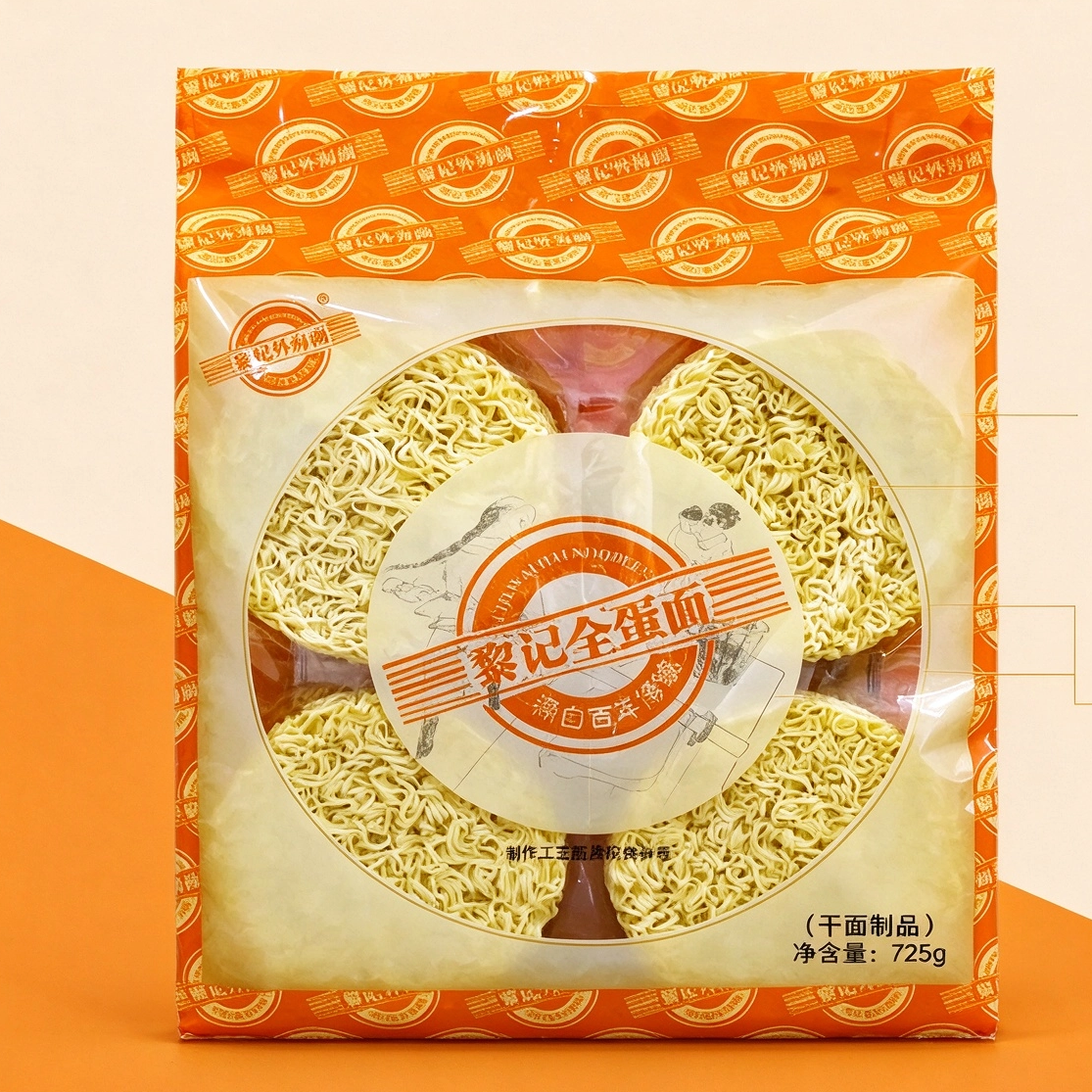
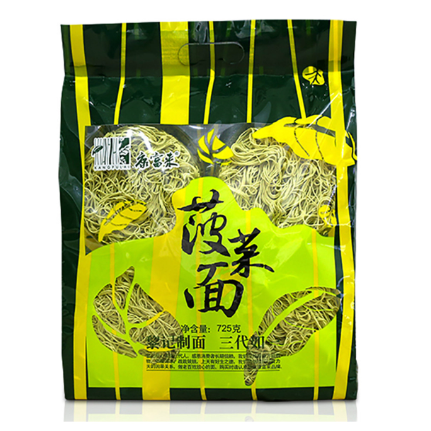
Transparent windows or product photography that lets shoppers see the noodle texture or garnish
Consistent brand marks across different flavor variants, so the whole product line is recognizable as one family
Compact sizing that fits standard convenience store shelf depth without crowding adjacent products
These details matter more in individual pack formats than in bulk packaging, since shelf real estate is smaller and competition is denser.
Design only matters if the product inside meets expectations. A reliable noodles factory manages everything from dough mixing and steaming to drying and final packaging under consistent quality controls. This matters for individual pack products in particular, since inconsistent texture or moisture content is more noticeable in single-serving formats where there's no room to blend variation across a larger batch.
Manufacturers that run dedicated quality assurance processes typically test each production batch against international food safety standards before noodles move to packaging lines. This step protects brand reputation just as much as the packaging design itself, since a disappointing product experience undermines even the most eye-catching pack.
Not every noodle style suits single-serving packaging equally well. Chinese dry noodles are a common choice for individual packs because they hold their shape well during shipping and have a long shelf life without refrigeration, which fits the fast-turnover nature of convenience retail.
Other dried wheat noodle varieties also perform well in this format, particularly those designed with simple preparation steps in mind. Shoppers buying from convenience stores usually want something they can prepare in minutes, so noodle styles that cook quickly in boiling water or require minimal seasoning tend to outperform more complex recipes.
Beyond Chinese-style products, many brands sourcing dried asian noodles for retail programs look for consistent strand thickness and cook time across batches, since uneven cooking results can quickly damage repeat purchase intent.
Pack Format | Typical Shelf Use | Design Priority |
|---|---|---|
Bag Pack | Family or multi-serving retail | Visual recipe cues, larger flavor imagery |
Box Pack | Mid-tier retail and foodservice | Structured branding, nutrition panel space |
Carton Pack | Bulk distribution and wholesale | Logo consistency across case quantities |
Individual Pack | Convenience store single-serve | Compact sizing, instant flavor recognition |
When working with a manufacturing partner on branded individual pack noodle designs, certain elements consistently produce stronger retail performance:
Clear flavor icons or color codes that let repeat customers find their favorite variant without reading full text
Minimal but informative nutrition and ingredient panels sized appropriately for small packaging
Matte or textured finishes that photograph well for social media and online retail listings
QR codes or small print linking to recipe suggestions, which adds value without cluttering the front panel
Packaging materials that protect noodle integrity during handling and transport, since damaged product undermines any design effort
Brands that prioritize these elements typically see better shelf engagement, since the packaging communicates both personality and practicality at a glance.
Selecting the right production partner affects both design execution and product consistency. Brands should look for manufacturers with established production lines capable of handling custom packaging specifications, along with documented quality testing processes.
It also helps to work with a partner experienced across multiple noodle styles and pack formats, since this flexibility allows a brand to test different retail formats without switching suppliers. Established manufacturers often support smaller minimum order quantities for new product testing, which reduces risk for brands entering the convenience store channel for the first time.
What size works best for individual pack noodles in convenience stores?
Most convenience store individual packs range between 60 and 120 grams, which fits standard shelf depth and matches single-serving portion expectations.
How long do dried noodle packs typically stay fresh on shelves?
Properly packaged dried noodles generally hold freshness for 12 to 18 months when sealed and stored away from moisture and direct heat.
Can small or new brands order custom packaging designs?
Yes, many manufacturers support custom packaging for smaller order volumes, allowing new brands to test designs before committing to larger production runs.
What packaging materials best protect noodle texture during shipping?
Multi-layer film packaging with moisture barriers is commonly used to prevent breakage and maintain noodle texture during transport and storage.
Do flavor variants need separate packaging designs or just color changes?
Most successful product lines use one consistent packaging structure with color and icon changes per flavor, which keeps brand recognition intact while still distinguishing variants.
Standing out on a convenience store shelf takes more than an eye-catching design. It requires a packaging strategy built around how real shoppers scan, decide, and buy in a matter of seconds, backed by a product that consistently delivers on the promise printed on the front panel.
Brands that succeed in this space treat design and production as connected decisions rather than separate steps. In short, branded individual pack noodle designs perform best on convenience store shelves when bold visual cues, consistent branding, and dependable product quality work together, giving shoppers a reason to recognize, trust, and repeatedly choose the same pack.