


Buyers sourcing dried noodles for retail shelves, restaurant menus, or private label programs need more than a low price tag. Texture, cook consistency, shelf stability, and manufacturing reliability all determine whether a noodle product succeeds with end consumers. This guide walks through the noodle varieties worth stocking, the manufacturing standards that separate dependable suppliers from inconsistent ones, and the questions buyers commonly ask before placing an order.
Noodle Varieties Worth Stocking
Different noodle styles serve different menu applications, and understanding those differences helps buyers match the right product to the right customer base.
A wonton noodle is a thin, springy egg noodle traditionally served in broth alongside wonton dumplings, and it remains one of the most requested items on Cantonese-style menus. Its firm bite comes from a specific flour-to-egg ratio and a kneading process that builds elasticity without making the strand brittle once cooked.
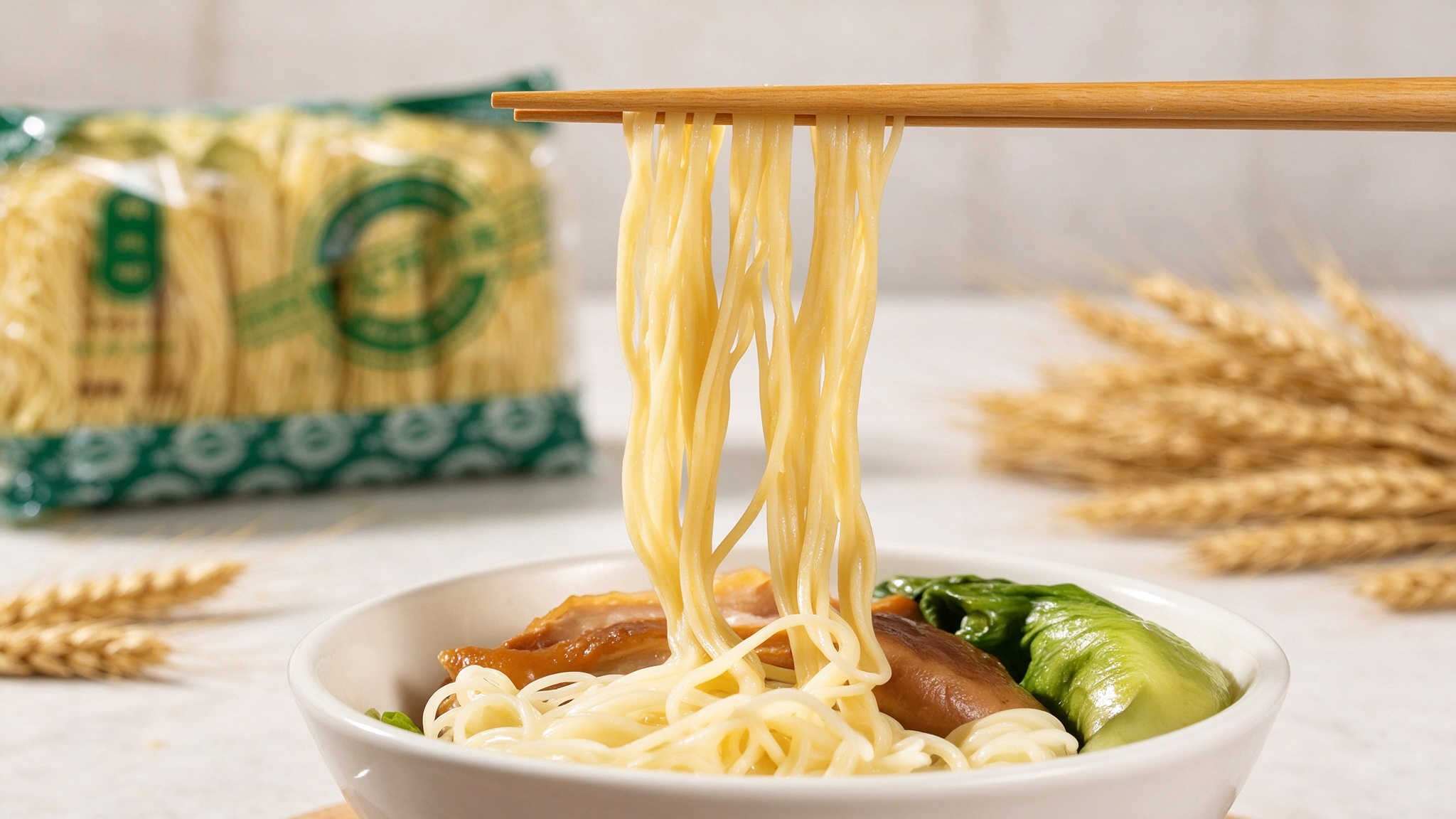
Flat, chewy strands made for stir-frying occupy a different category entirely. Dried lo mein noodles are produced to hold sauce well and resist clumping when tossed in a hot wok, which makes them a staple for restaurants running high-volume stir-fry service. Because they are dried rather than fresh, they also offer buyers a longer shelf life and simpler storage logistics compared to fresh-pack alternatives.
A third category worth noting comes from manufacturers who combine traditional technique with modern production standards. Liji noodles are produced using controlled fermentation and drying processes that aim to preserve the elasticity and toughness associated with handmade noodles while meeting the consistency requirements of large-scale buyers.
When evaluating which varieties to stock, buyers typically weigh the following factors:
Cook time consistency – strands should behave the same way batch after batch, whether boiled, stir-fried, or added to soup.
Moisture content at packaging – lower, well-controlled moisture levels reduce the risk of spoilage during transit and storage.
Flavor neutrality – a base noodle should carry sauces and broths well without competing with them.
Packaging format – bag, box, carton, and individual-pack options each suit different retail or foodservice environments.
Regional authenticity – noodles made to match traditional regional recipes tend to perform better with audiences familiar with the original dish.
Evaluating a Noodle Manufacturer Before Placing an Order
A reliable noodle manufacturer should be able to demonstrate consistent production quality, document safety compliance, and support the packaging formats a buyer actually needs. Skipping this evaluation step is one of the most common reasons buyers end up renegotiating supplier relationships within the first year.
Before committing to a supplier, buyers should confirm the following:
Test reporting – ask for current lab test reports verifying that the product meets relevant food safety regulations in the destination market.
Production capacity – confirm the factory can scale output during peak seasons without extending lead times beyond what the buyer's supply chain can absorb.
Technical support – a manufacturer with an in-house technical team can often customize formulation, thickness, or packaging to match a buyer's specification sheet.
Packaging integrity – noodles are fragile in transit, so a dedicated packaging process matters as much as the noodle formulation itself.
Sample consistency – request multiple samples from different production runs, not a single hand-picked batch, to verify the product performs consistently over time.
Jiangmen Liji Food Co., Ltd., based in Guangdong Province, China, is one example of a manufacturer built around this kind of integrated process, combining research and development, production, and sales within a single facility spanning more than 10,000 square meters and supported by a team of over 100 staff across production, research, and sales functions.
Comparing Packaging Formats for Noodle Products
The packaging format a buyer chooses affects shelf presentation, shipping cost, and shelf life. The table below summarizes common formats and their typical use cases.
Packaging Format | Typical Use Case | Shelf Life Consideration |
|---|---|---|
Bag pack | Retail shelf display, smaller order volumes | Moderate; requires moisture-resistant film |
Box pack | Branded retail or gift sets | Good; added protection from crushing |
Carton pack | Bulk foodservice or wholesale distribution | Long; designed for stacked warehouse storage |
Individual pack | Single-serve retail, convenience stores, vending | Good; portion control reduces waste |
Each format requires a slightly different approach to sealing and moisture control, so buyers should confirm that a prospective supplier has experience packaging the specific format they intend to order.
Matching Noodle Type to Menu or Retail Strategy
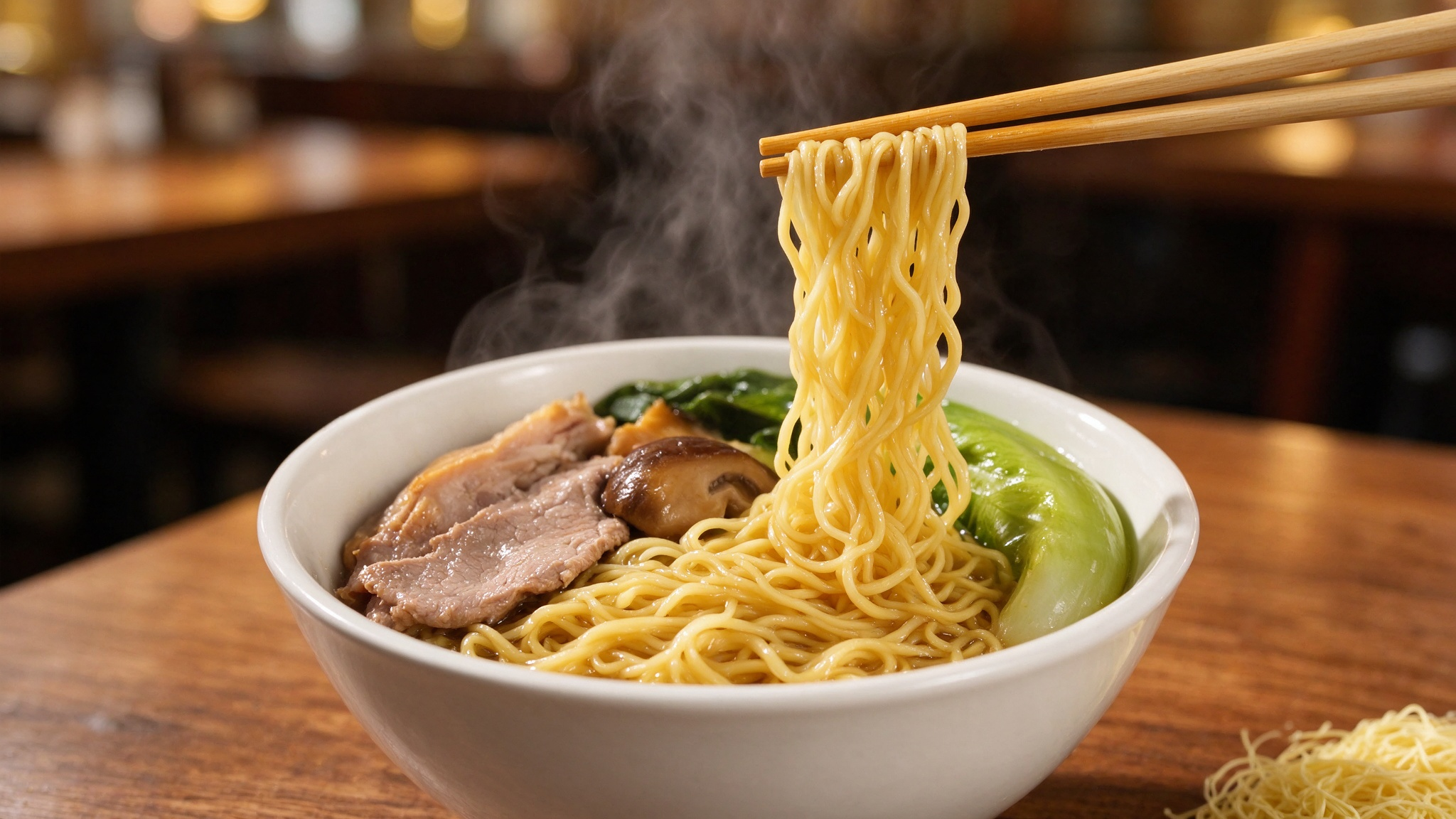
Restaurant operators building a broth-based menu typically prioritize springy, quick-cooking noodles that hold their shape in hot liquid for extended service periods. Retailers building a private label dry goods line, on the other hand, often prioritize shelf stability and packaging shelf appeal over cook speed, since the product may sit in warehouse storage for months before reaching a consumer's kitchen.
Buyers building stir-fry focused menus should look closely at strand thickness and surface texture, since noodles that are too smooth will not hold sauce, while those that are too rough can clump during the tossing process. Buyers building soup-forward menus should prioritize noodles that resist becoming mushy after extended time in hot broth, since that directly affects the perceived quality of the final dish.
Frequently Asked Questions
How long do dried noodles typically last in storage?
Most properly packaged dried noodles remain shelf-stable for six to twelve months when stored in a cool, dry environment away from direct sunlight. Exact shelf life depends on moisture content at the time of packaging and the barrier properties of the packaging material used.
Can noodle manufacturers customize formulations for private label products?
Yes. Manufacturers with in-house technical teams can often adjust thickness, flour blend, and flavor profile to match a buyer's specification sheet, though minimum order quantities typically apply to customized runs.
What is the difference between fresh and dried noodle products for foodservice use?
Fresh noodles generally offer a softer texture and shorter shelf life, requiring refrigeration and faster turnover, while dried noodles trade some textural softness for significantly longer storage stability and simpler logistics.
Do all dried noodle products require the same cooking method?
No. Cooking method varies by noodle type and thickness; thinner noodles typically need shorter boiling times than thicker varieties, and some stir-fry noodles are parboiled before being finished in a wok rather than fully boiled beforehand.
What documentation should a buyer request before placing a bulk noodle order?
Buyers should request current food safety test reports, ingredient and allergen declarations, and packaging specification sheets before finalizing a bulk order, particularly when importing across international borders with differing regulatory requirements.
Conclusion
Sourcing the right noodle product comes down to matching the strand type, packaging format, and manufacturing standard to the specific needs of a menu or retail line, whether that means a delicate wonton noodle for broth service, versatile dried lo mein noodles for stir-fry applications, or a consistently produced option like liji noodles for buyers prioritizing both traditional texture and manufacturing reliability. Buyers who verify test reporting, production capacity, and packaging experience before placing an order tend to avoid the supply disruptions that come from choosing a supplier based on price alone. For buyers evaluating manufacturing partners directly, Jiangmen Liji Food Co., Ltd. outlines its production capabilities and product range at www.lijinoodles.com.
-
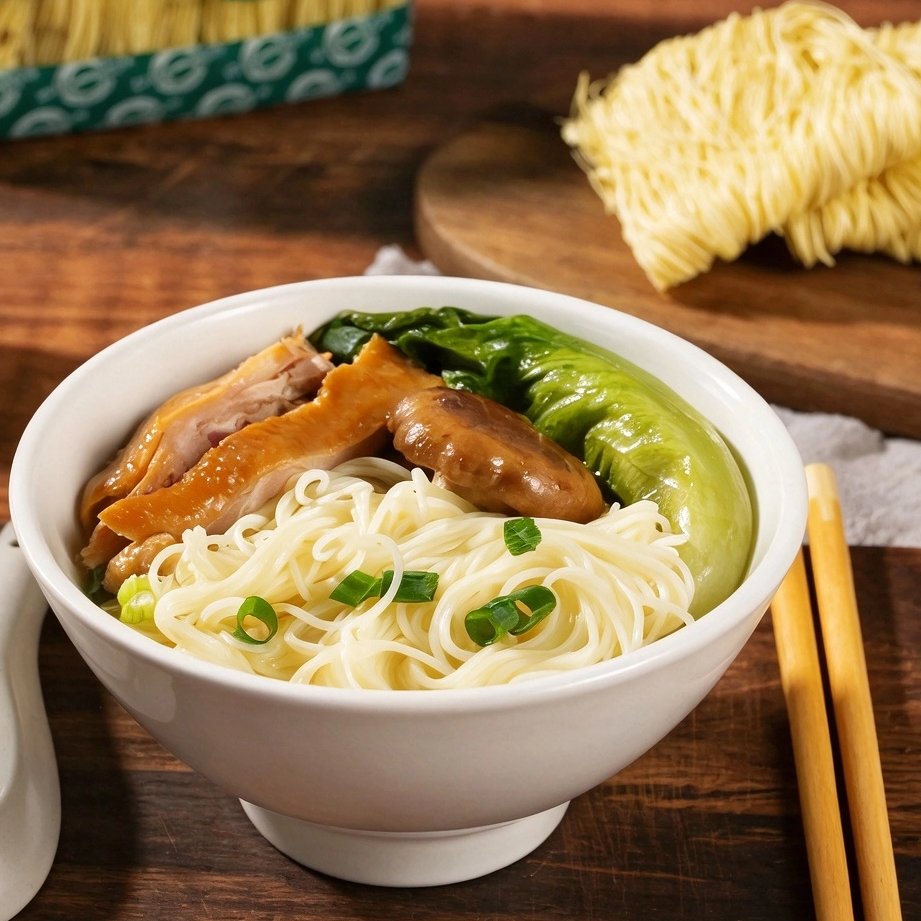 Dried Chinese egg noodles remain a pantry staple because they combine a long shelf life with the springy, firm texture that fresh egg noodles are known for, without requiring refrigeration. Families, restaurants, and retailers rely on them for quick meals that still deliver an authentic bite. This g
-
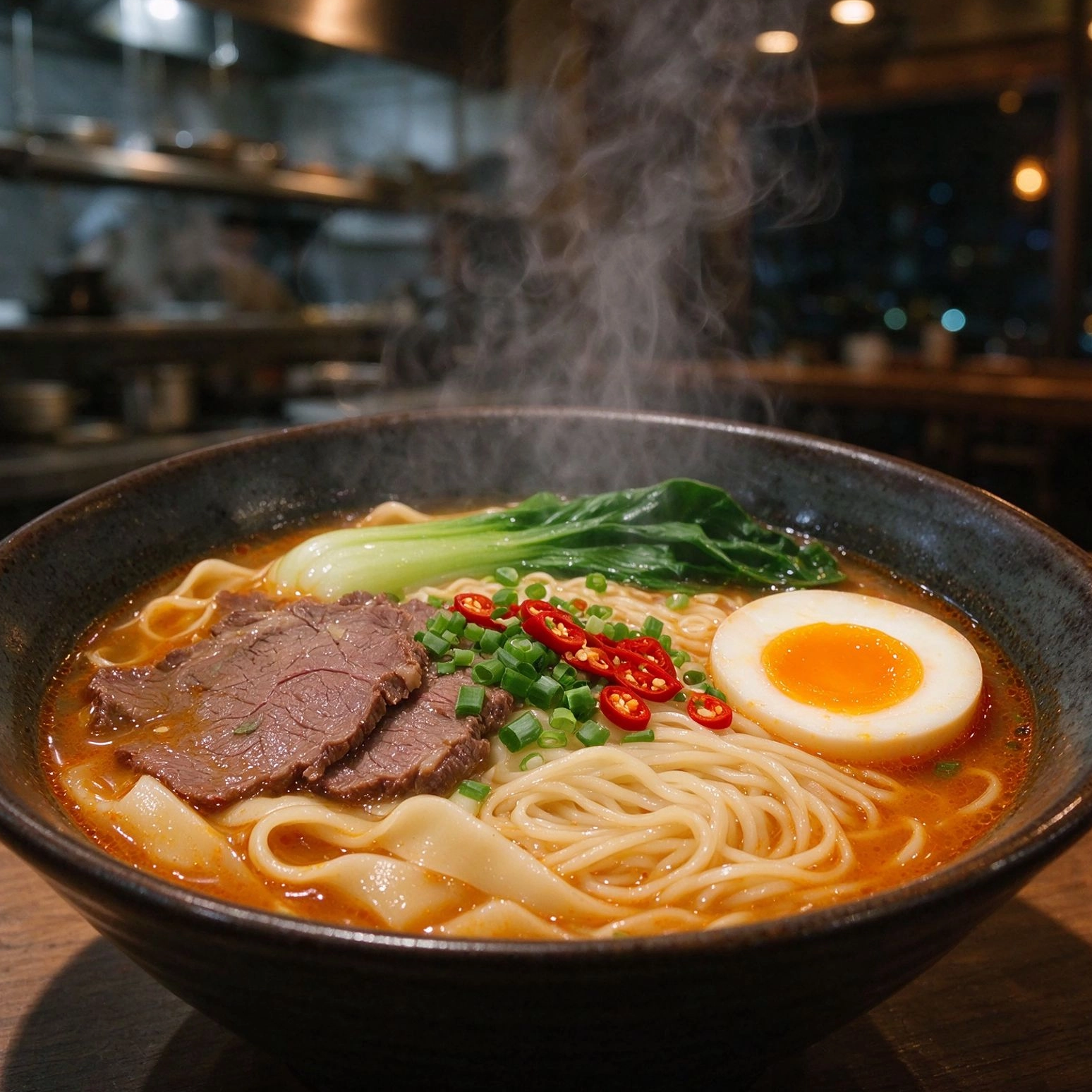 Sourcing dried noodles for a retail shelf, a restaurant menu, or a private label line requires more than picking the first supplier that appears in a search. Buyers need consistent texture, reliable shelf life, and a factory that can scale production without compromising quality. This guide breaks d
-
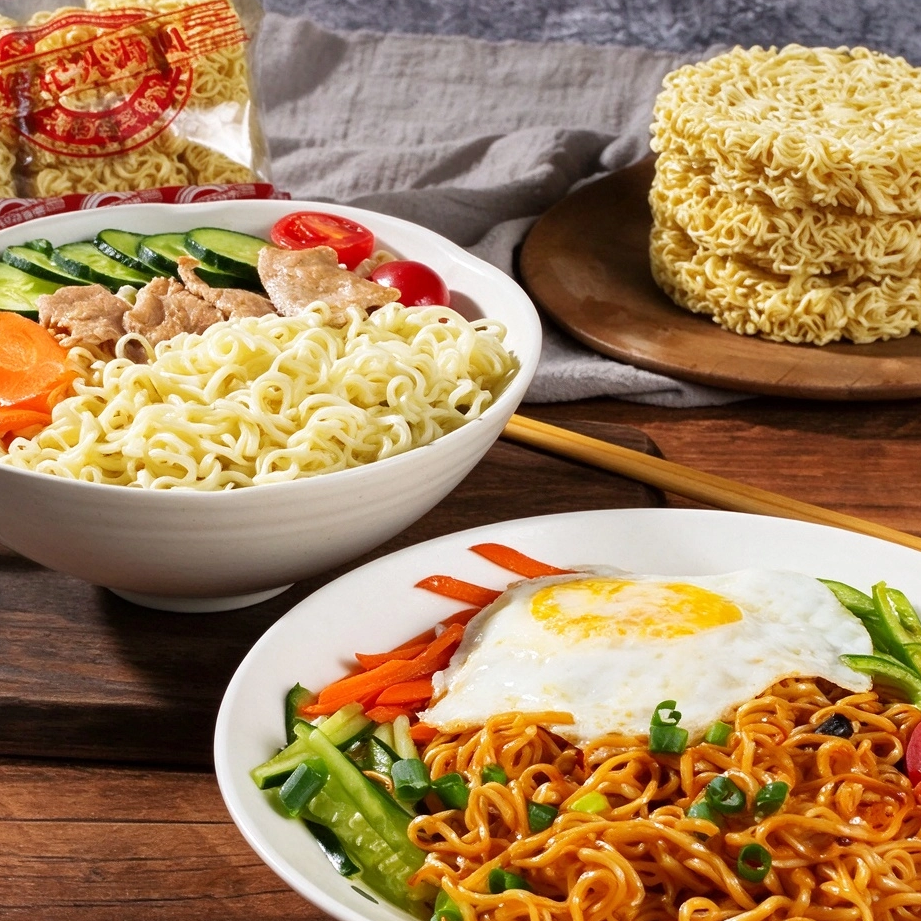 Convenience stores are some of the most competitive retail environments in the food industry. Shoppers typically spend only a few seconds scanning a shelf before making a decision, which means packaging has to do a lot of heavy lifting. For noodle brands, this is especially true. Individual pack for
-
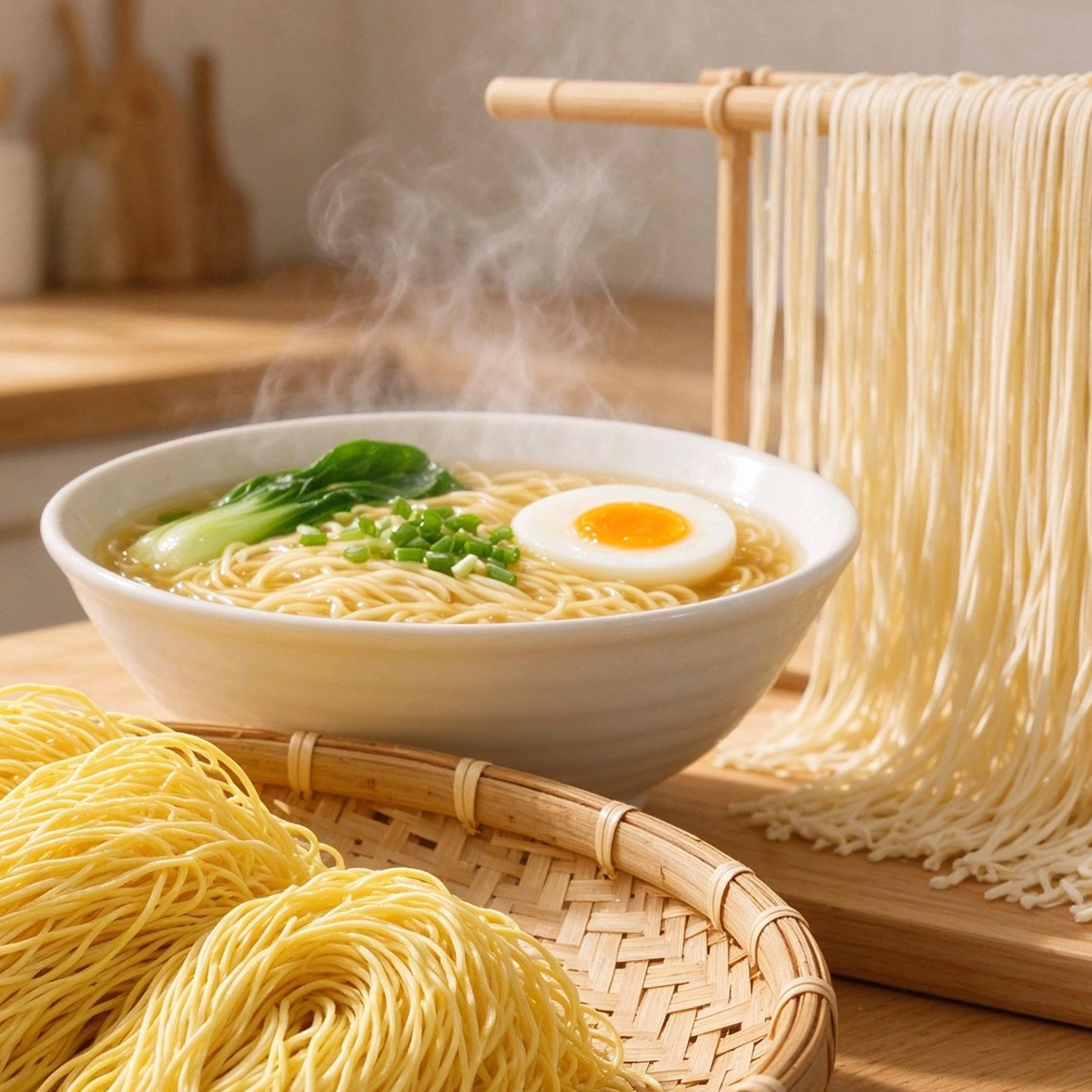 Noodles remain one of the most versatile staples in kitchens around the world, prized for their adaptability, texture, and speed of preparation. From soups and stir-fries to cold salads and quick weeknight dinners, noodles fit almost any meal occasion. This guide breaks down several popular noodle s
-
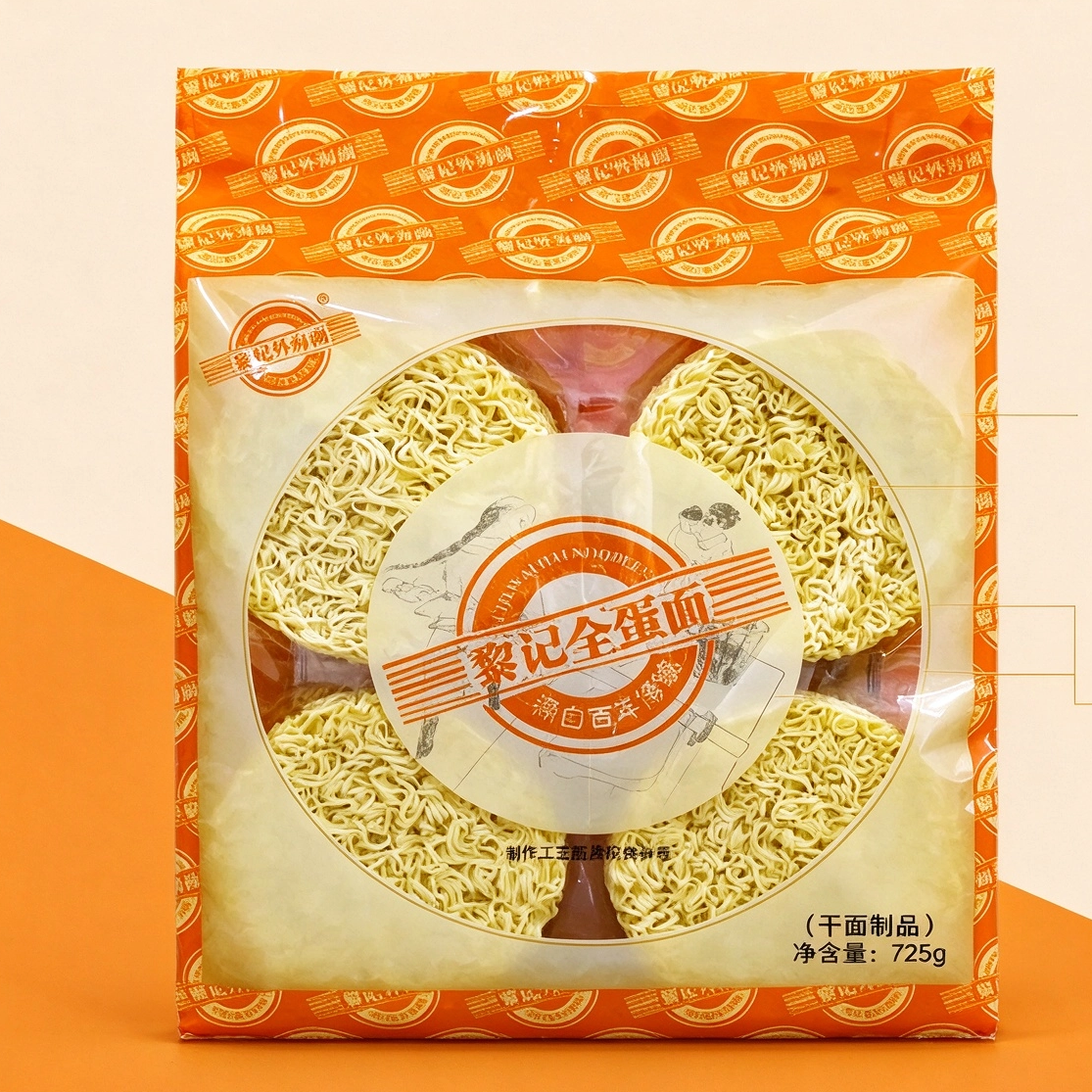 Sourcing packaged noodles for a retail shelf, a foodservice menu, or a private-label program involves more variables than most buyers expect. Production methods, packaging formats, ingredient blends, and shipping logistics all affect the final product that reaches a customer's bowl. For importers an
-
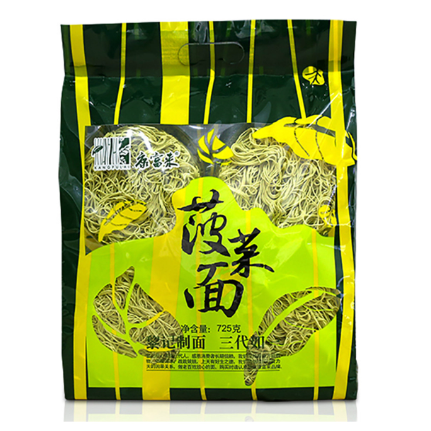 Functional box pack noodles with kale or spinach are dried wheat noodles infused with vegetable powder, packed in a sturdy box format designed for retail shelves and foodservice distribution. Jiangmen Liji Food Co., Ltd. produces these noodles for wellness-focused brands that want a nutrient-forward
Keep in touch with us
Jiangmen Liji Food Co., Ltd. is an integrated noodle manufacturer with 3 generations of heritage. We deliver premium Cantonese noodles via strong R&D, advanced production and complete supporting facilities.
Phone/Whatsapp:+86 13143141923
E-mail:cocochen@gdlijifood.com


