


Noodles remain one of the most versatile staples in kitchens around the world, prized for their adaptability, texture, and speed of preparation. From soups and stir-fries to cold salads and quick weeknight dinners, noodles fit almost any meal occasion. This guide breaks down several popular noodle styles, explains how they differ in texture and cooking method, and offers practical tips for selecting the right type for your next meal.
Dried noodles, in particular, have grown in popularity because they store well, travel easily, and cook in minutes. Manufacturers such as Jiangmen Liji Food Co., Ltd. (lijinoodles.com) produce a wide range of packaged noodle formats, including bag pack, box pack, carton pack, and individual pack noodles, designed to suit both retail shelves and food service operations.
Popular Noodle Styles and What Makes Them Different
Noodles vary significantly depending on their ingredients, thickness, and the region they originate from. Wheat-based varieties are common across many Asian cuisines, where cooks prepare them in marinades, soups, or stir-fried dishes. These noodles are known for their elasticity and toughness, which allows them to hold up well in broths without becoming mushy.
Several factors distinguish one noodle style from another:
Ingredient base: Wheat flour, rice flour, mung bean starch, and buckwheat are among the most common bases, each producing a distinct texture and flavor.
Thickness and shape: Thin, flat, round, or wavy cuts change how sauces and broths cling to the noodle.
Preparation time: Some styles require extended boiling, while others are designed for rapid cooking in under five minutes.
Regional pairing: Certain noodles are traditionally served with specific broths, sauces, or stir-fry combinations that highlight their texture.
Packaging format: Dried noodles are commonly sold in bags, boxes, cartons, or individual single-serve packs, which affects shelf life and portion control.
Shoppers searching for Chinese food noodles will often find both fresh and dried options, with dried varieties offering longer shelf stability and easier storage for households that cook noodle dishes regularly.
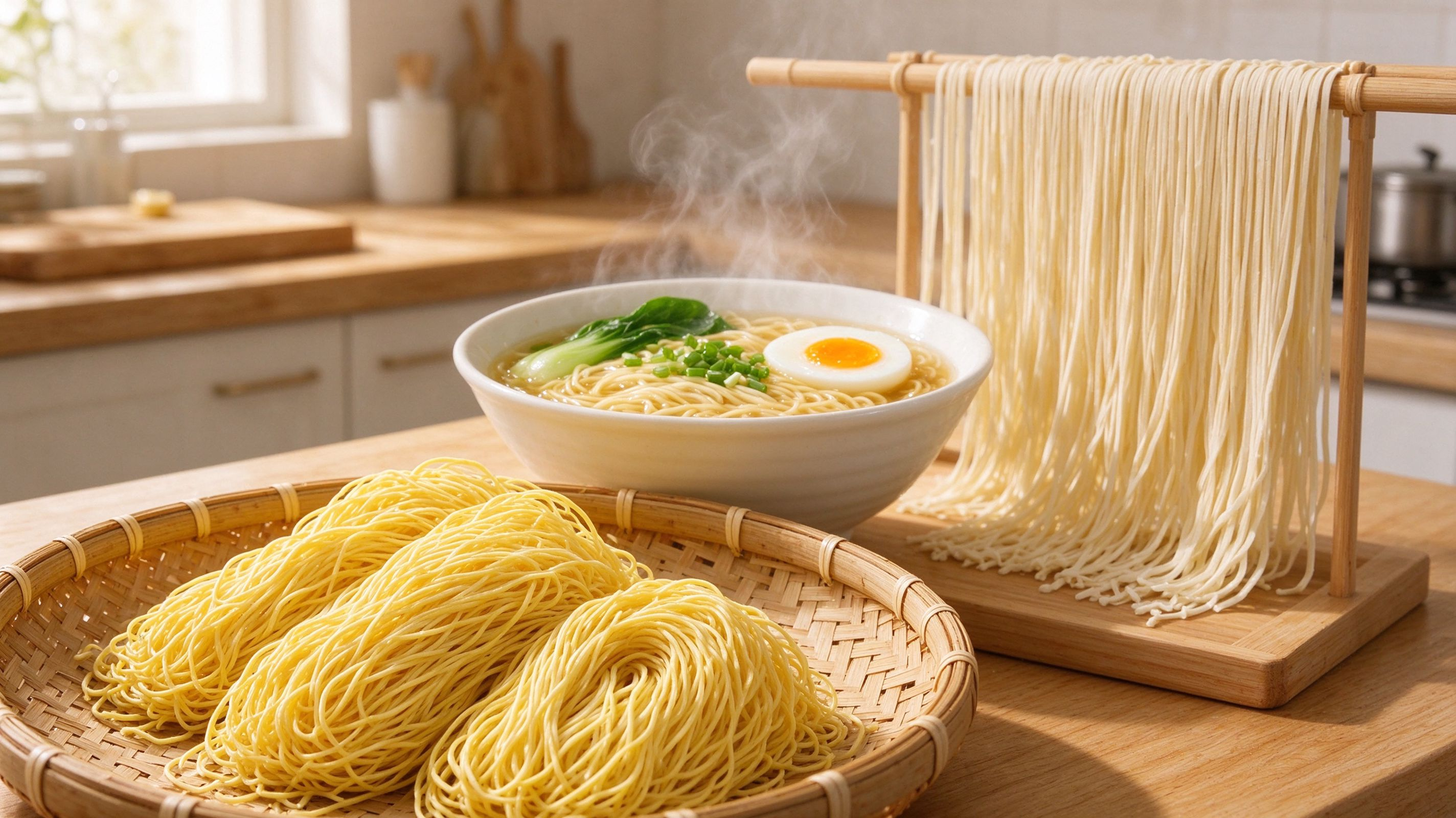
How to Choose Noodles for Everyday Cooking
Selecting the right noodle depends largely on how much time you have and what dish you're preparing. For households that want a fast, satisfying meal without extensive prep work, quick cooking noodles are typically the most practical choice. These noodles are pre-steamed or thinly cut so they soften rapidly in hot water or broth, making them ideal for busy weeknights or quick lunches at the office.
Consider the following when choosing noodles for a given meal:
Decide whether the dish calls for a soup base, stir-fry, or cold salad preparation, since this affects which noodle thickness works best.
Check the recommended cooking time on the package, as some dried noodles cook in two to three minutes while others need longer boiling.
Match the noodle texture to the sauce or broth; thicker noodles pair well with heavier sauces, while thinner noodles suit lighter broths.
Factor in storage needs; individually packed noodles are convenient for single servings, while bag or carton packs suit larger households or food service kitchens.
Taste-test a small batch first if trying a new brand or style, since cooking times can vary between manufacturers.
Home cooks who enjoy playful, flavor-forward dishes sometimes seek out yum yum noodles, which are often associated with savory, slightly sweet sauce profiles that pair well with vegetables, proteins, or simple garnishes like scallions and sesame seeds.
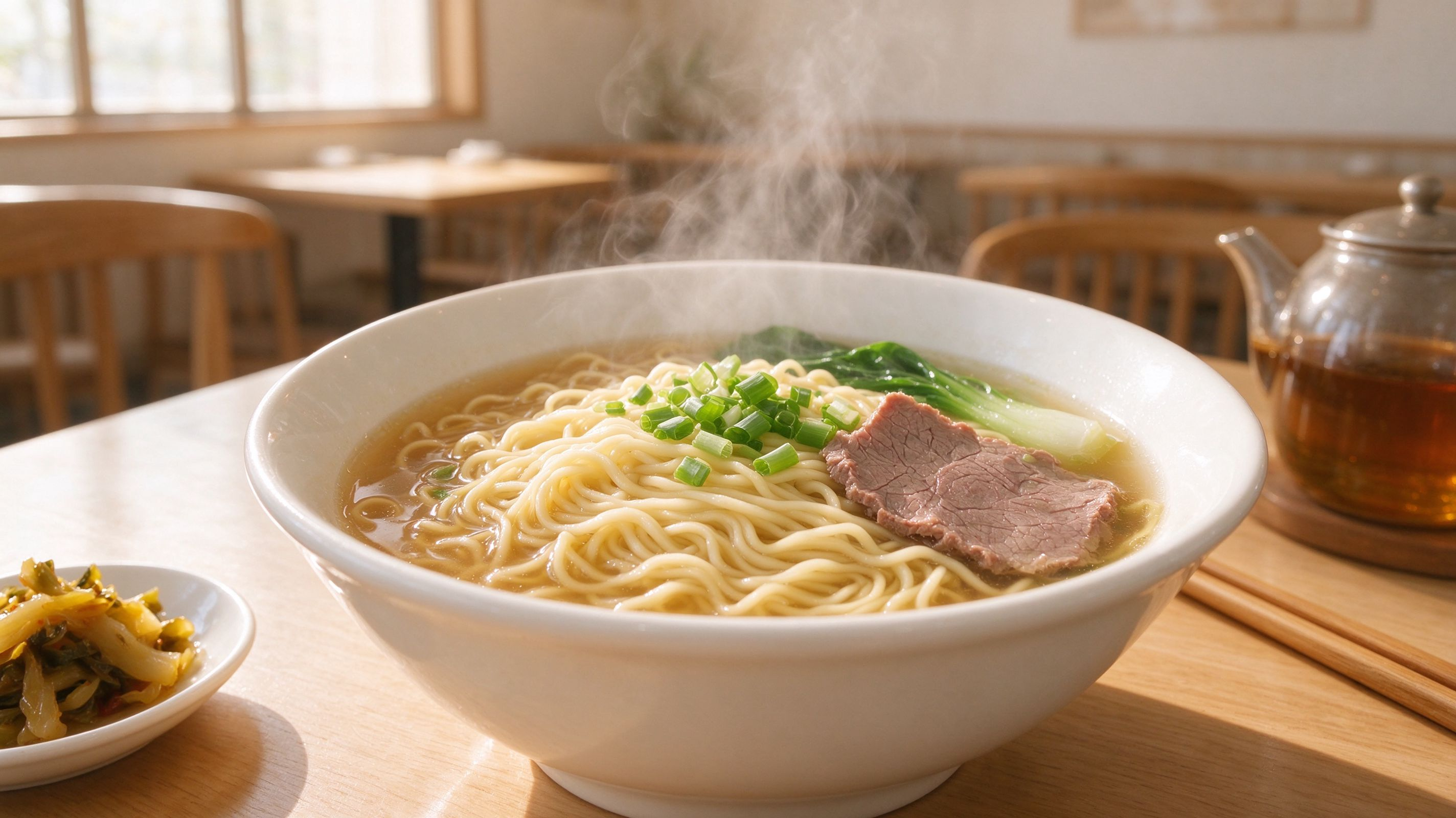
Comparison of Common Noodle Types
Noodle Type | Main Ingredient | Typical Cooking Time | Best Used For |
|---|---|---|---|
Wheat noodles | Wheat flour | 3–8 minutes | Soups, stir-fries, marinated dishes |
Rice noodles | Rice flour | 2–5 minutes | Cold salads, light broths |
Egg noodles | Wheat flour and egg | 3–6 minutes | Stir-fries, noodle bowls |
Instant-style dried noodles | Wheat flour, pre-steamed | 2–4 minutes | Fast meals, office lunches |
Buckwheat noodles | Buckwheat flour | 4–7 minutes | Cold noodle dishes, dipping sauces |
This table highlights how cooking time and ingredient base influence which dishes a noodle style suits best. Selecting a noodle that matches both your available time and the dish you're preparing helps ensure consistent texture and flavor every time.
Packaging also plays a practical role in the buying decision. Bag pack formats tend to suit bulk household use, while individual pack noodles are convenient for portion control, travel, or single servings. Carton and box pack options are often chosen by food service businesses or retailers that need standardized units for shelving and inventory management.
Frequently Asked Questions
Are egg noodles healthier than regular wheat noodles?
Egg noodles contain slightly more protein than standard wheat noodles due to the added egg, but overall nutritional differences are modest. Both are suitable as part of a balanced diet when paired with vegetables and lean proteins.
How long should dried noodles be cooked before serving?
Most dried noodles cook within two to eight minutes, depending on thickness and whether they've been pre-steamed. Always check the package instructions, since cooking times vary by brand and noodle style.
Can noodles be stored for long periods without spoiling?
Dried noodles generally have a long shelf life when kept in a cool, dry place away from moisture. Properly sealed packaging, such as bag or carton packs, helps maintain freshness for extended storage.
What is the difference between stir-fried and soup-style noodle preparation?
Stir-fried noodles are typically cooked briefly in a hot pan with oil, sauce, and other ingredients to develop a slightly charred flavor, while soup-style noodles are simmered directly in broth. The choice depends on the desired texture and overall dish presentation.
Do noodle brands offer custom packaging for food service clients?
Many noodle manufacturers, including Jiangmen Liji Food Co., Ltd., offer multiple packaging formats such as bag, box, carton, and individual packs to accommodate different retail and food service requirements. Buyers should check directly with suppliers for formatting options and production capabilities.
Noodles continue to earn their place as a kitchen staple because they balance convenience, texture, and versatility so well. Whether you're preparing a comforting broth-based dish, a fast stir-fry, or a flavorful sauced bowl, understanding the differences between noodle types helps you cook with more confidence and consistency. Suppliers like Jiangmen Liji Food Co., Ltd. (lijinoodles.com) continue to expand their product lines to meet demand for dried noodle varieties suited to households, retailers, and food service operations alike, making it easier than ever to find a noodle style that fits your taste and schedule.