


How Long Do Dried Noodles Typically Last in Storage?
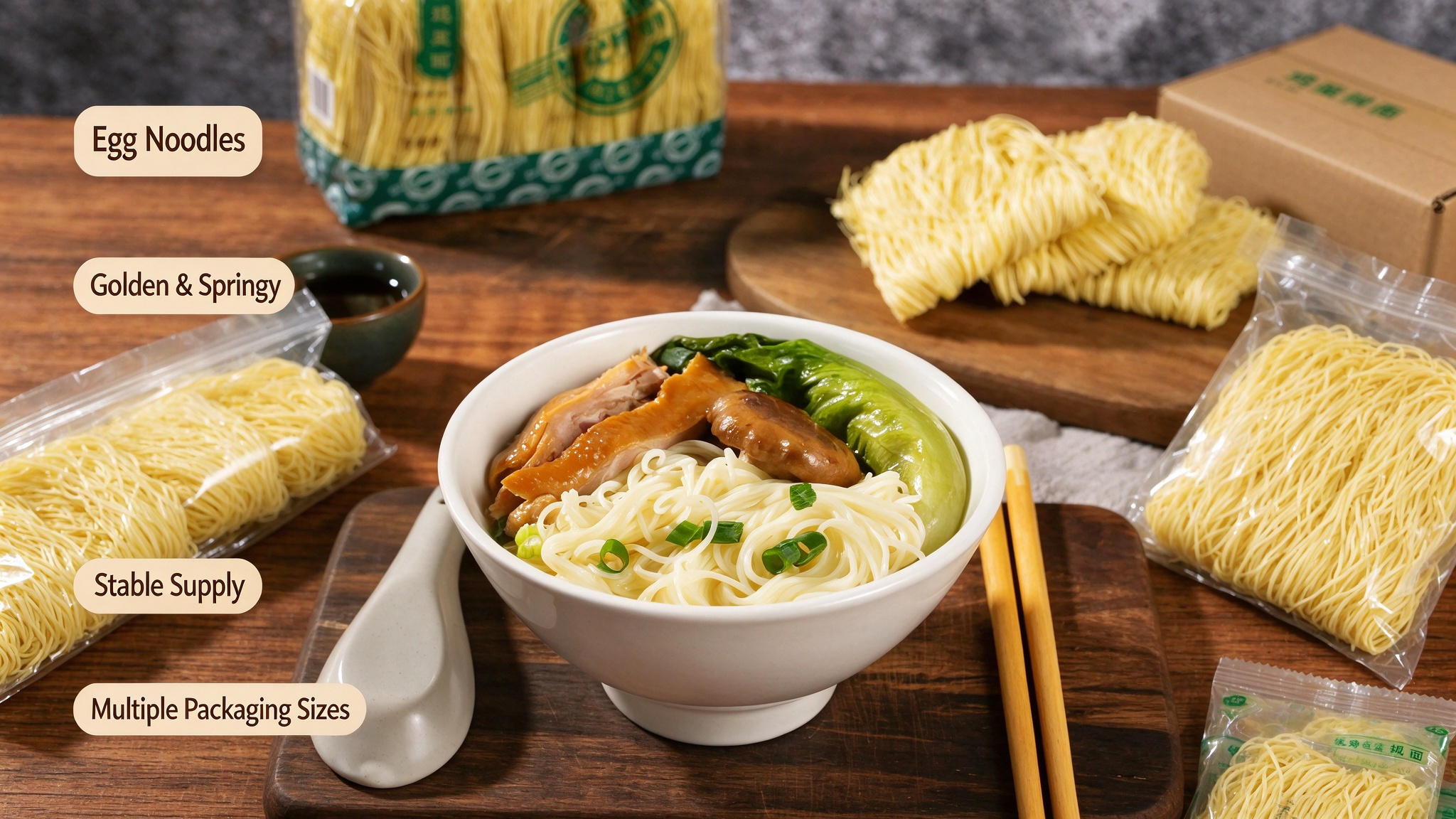
What Makes Dried Chinese Egg Noodles Different From Regular Dry Noodles?
| Factor | Egg-Based Noodles | Plain Wheat Noodles |
| Color | Golden yellow | Pale white to cream |
| Texture after cooking | Firm, springy | Softer, more absorbent |
| Flavor | Rich, slightly nutty | Neutral |
| Common uses | Stir-fries, wonton soup, lo mein | Broths, cold salads, general cooking |
| Shelf life (dried) | 12–24 months typically | 12–24 months typically |
What Should a Business Look for in a Noodles Manufacturer?
Testing and certification
Ask whether finished batches come with lab test reports covering safety and quality benchmarks recognized in the destination market.
Production scale
Confirm the facility has enough processing lines to handle both current order volume and future growth without quality slipping.
Packaging flexibility
Check whether the supplier offers bag, box, carton, and individual pack formats, since different retail channels require different packaging.
Customization support
Look for a technical team willing to adjust formulations, noodle thickness, or packaging design to match a brand's specifications.
Communication and lead times
A responsive supplier that clearly communicates production timelines reduces the risk of stockouts on a buyer's shelf.
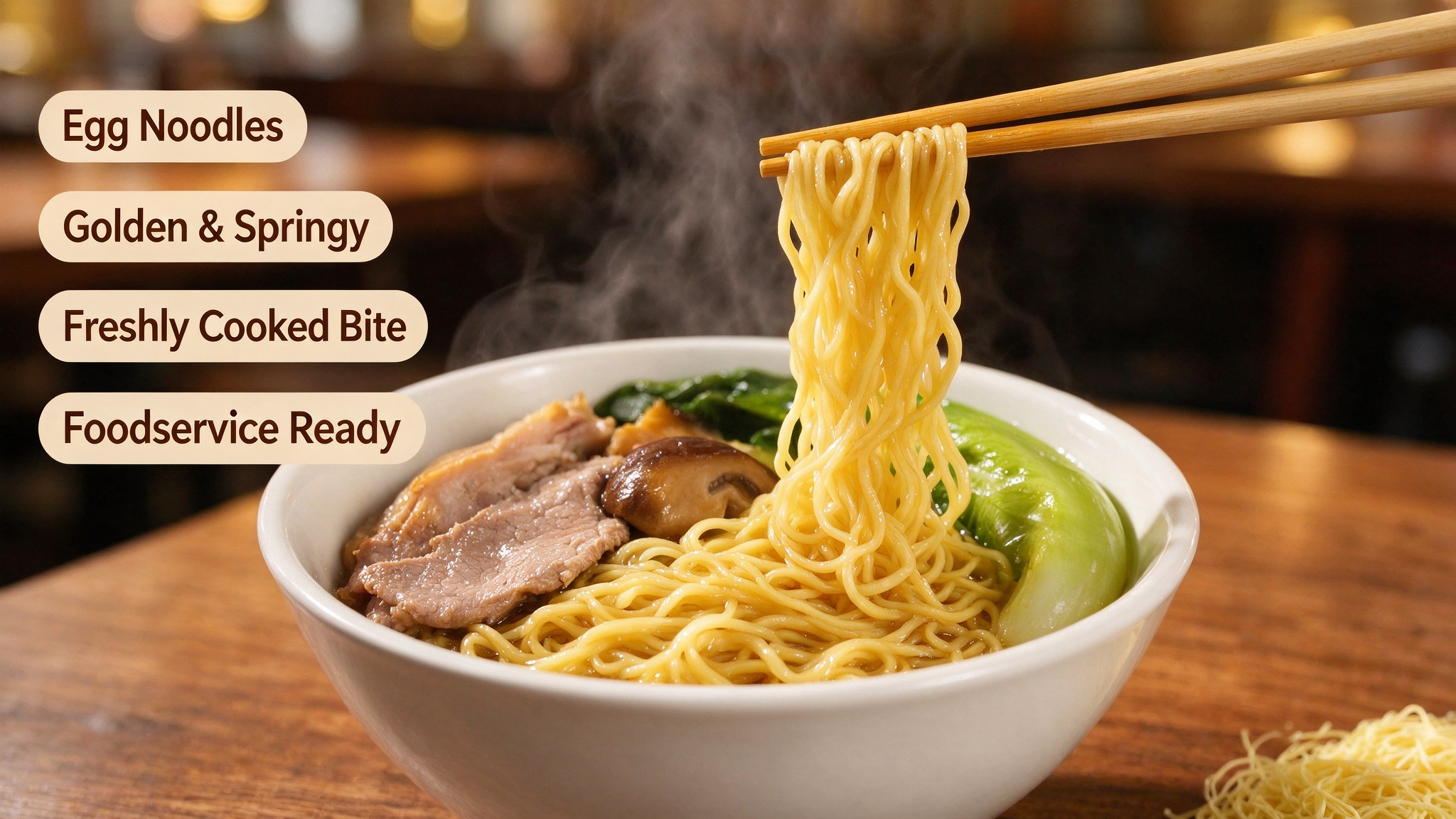
How Should You Cook Dried Chinese Egg Noodles for the Best Texture?
Frequently Asked Questions
Are dried Chinese egg noodles the same as instant noodles?
No. Dried egg noodles require boiling in water for several minutes and typically contain no pre-fried coating, while instant noodles are usually pre-cooked or flash-fried and designed for a quick soak or short boil.
Can dry noodles be made without eggs for dietary restrictions?
What packaging formats are available for bulk or retail noodle orders?
How can a buyer verify the food safety of a noodle supplier's products?
Do dried noodles need any special preparation before cooking compared to fresh noodles?
-
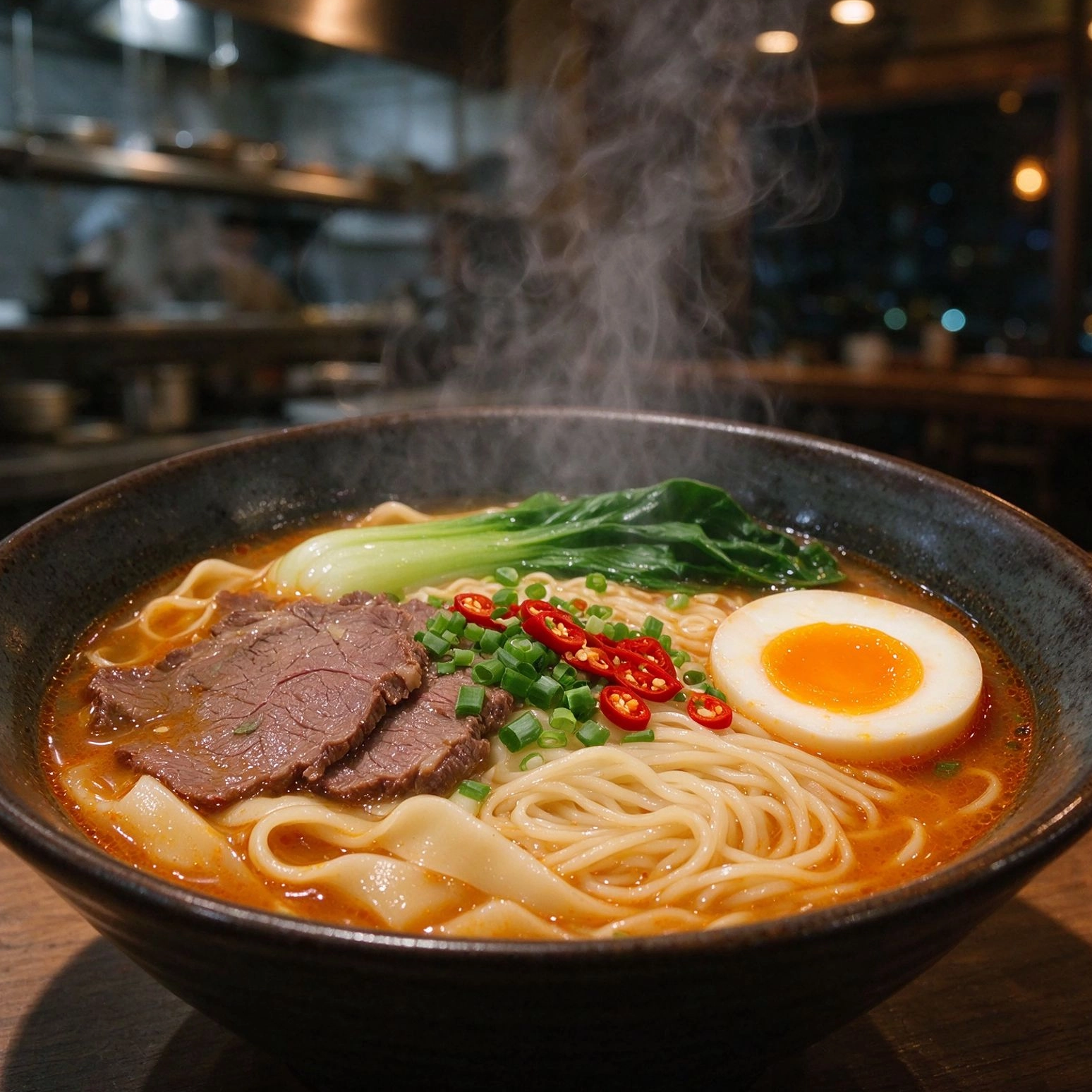 Sourcing dried noodles for a retail shelf, a restaurant menu, or a private label line requires more than picking the first supplier that appears in a search. Buyers need consistent texture, reliable shelf life, and a factory that can scale production without compromising quality. This guide breaks d
-
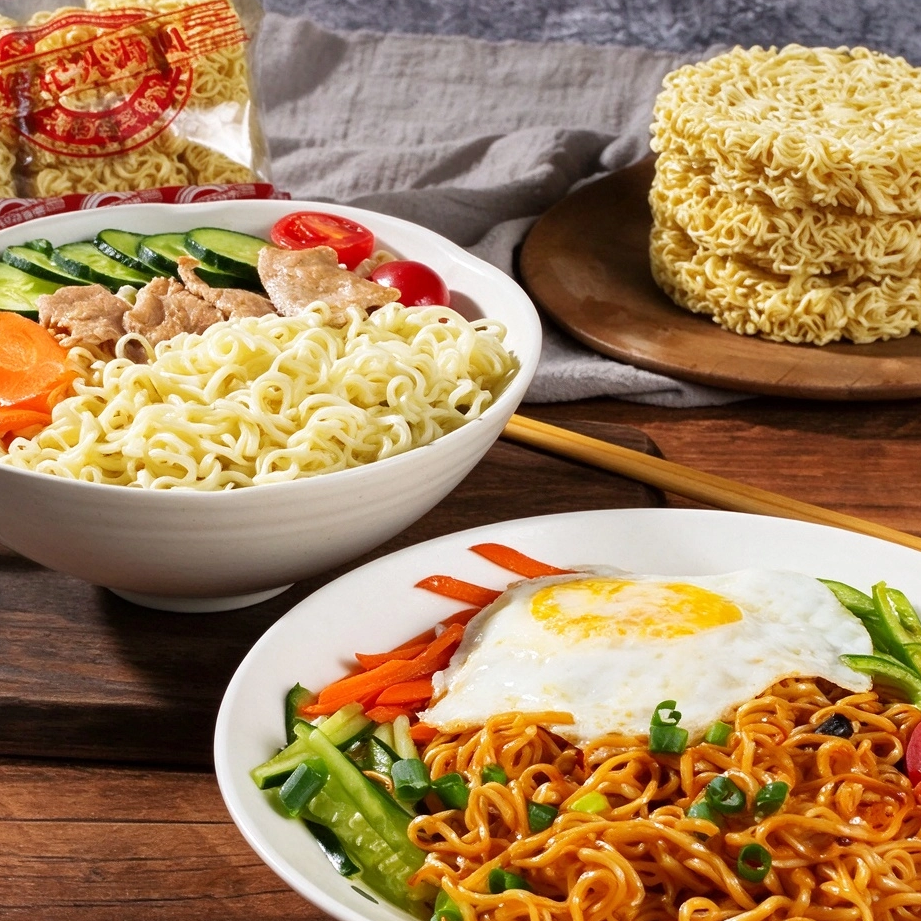 Convenience stores are some of the most competitive retail environments in the food industry. Shoppers typically spend only a few seconds scanning a shelf before making a decision, which means packaging has to do a lot of heavy lifting. For noodle brands, this is especially true. Individual pack for
-
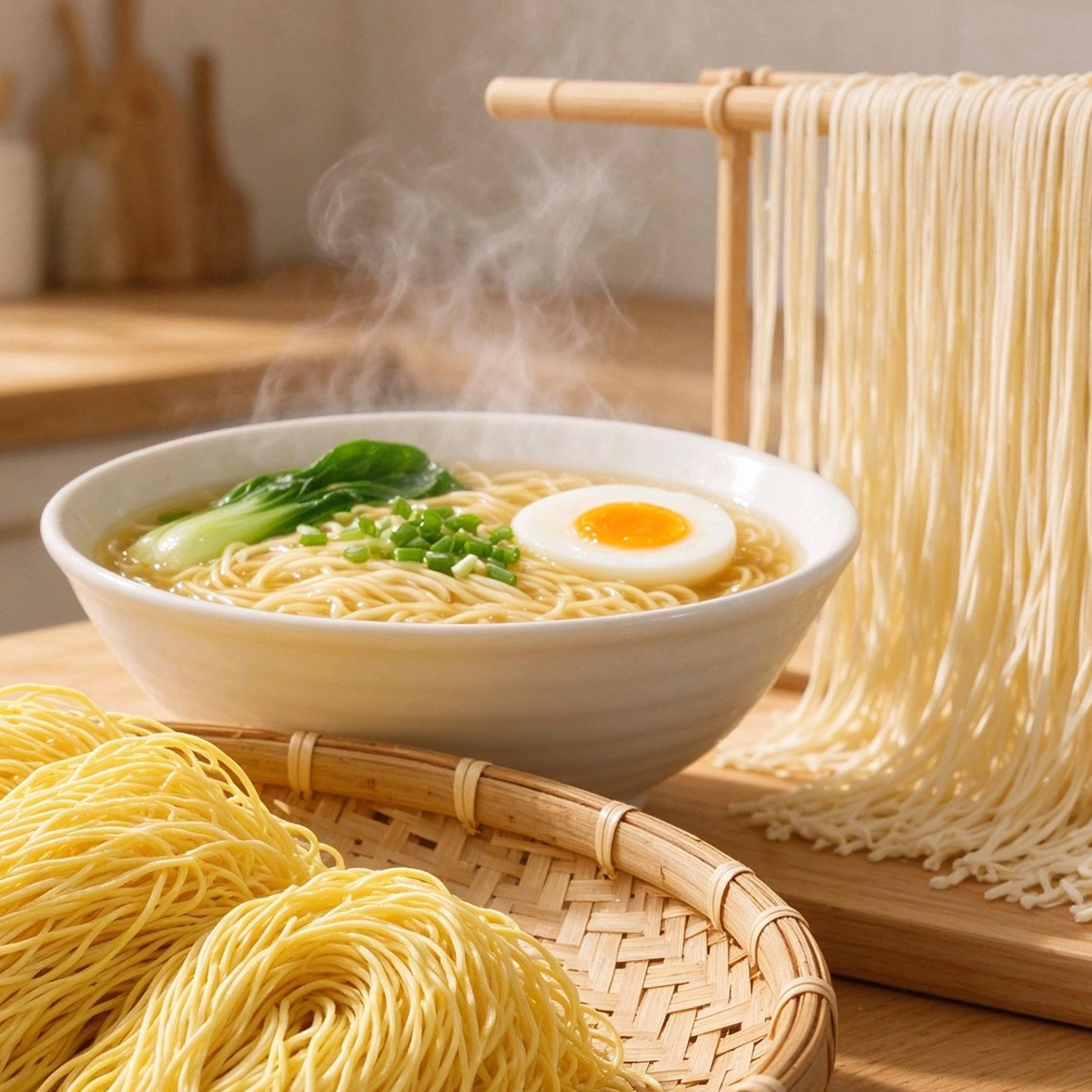 Noodles remain one of the most versatile staples in kitchens around the world, prized for their adaptability, texture, and speed of preparation. From soups and stir-fries to cold salads and quick weeknight dinners, noodles fit almost any meal occasion. This guide breaks down several popular noodle s
-
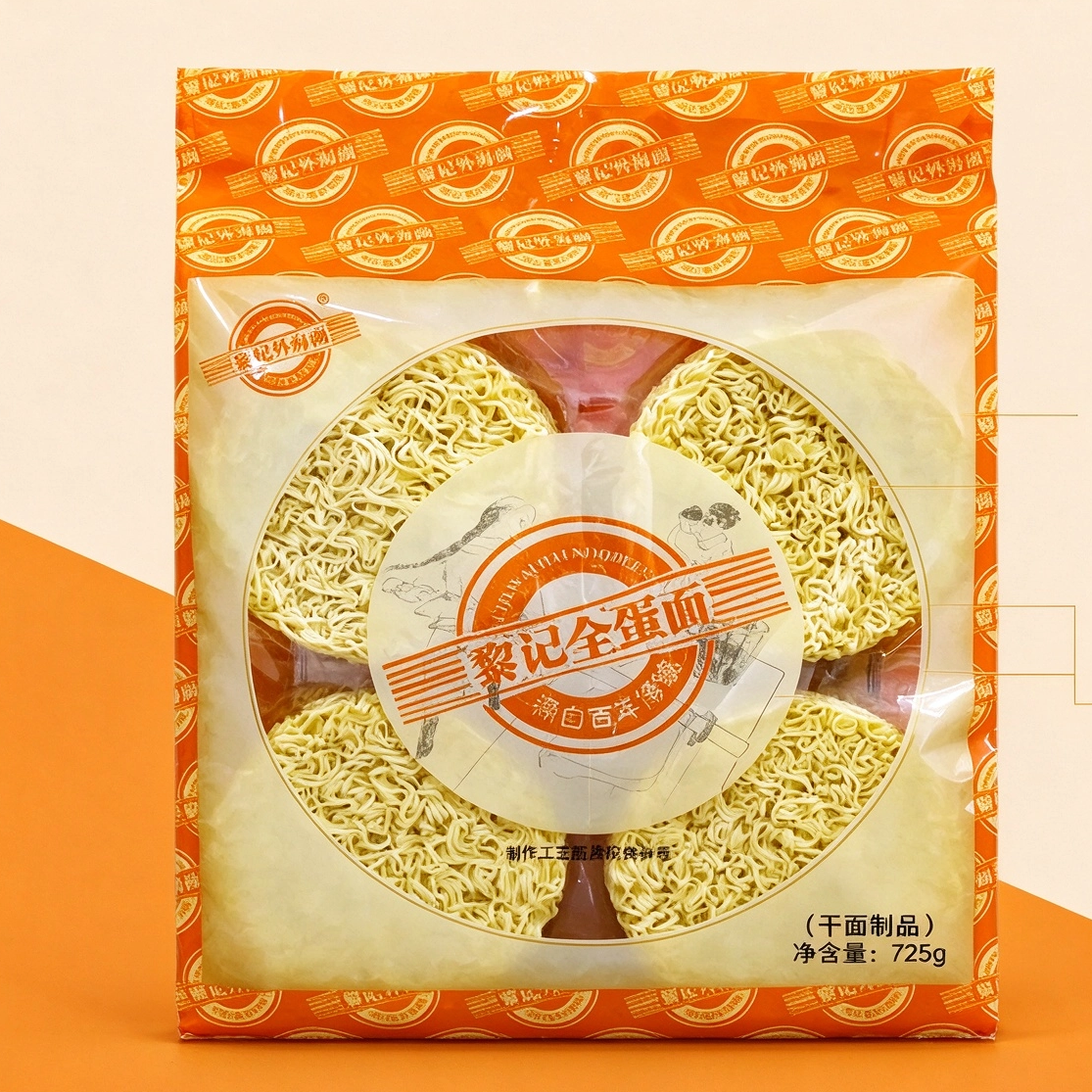 Sourcing packaged noodles for a retail shelf, a foodservice menu, or a private-label program involves more variables than most buyers expect. Production methods, packaging formats, ingredient blends, and shipping logistics all affect the final product that reaches a customer's bowl. For importers an
-
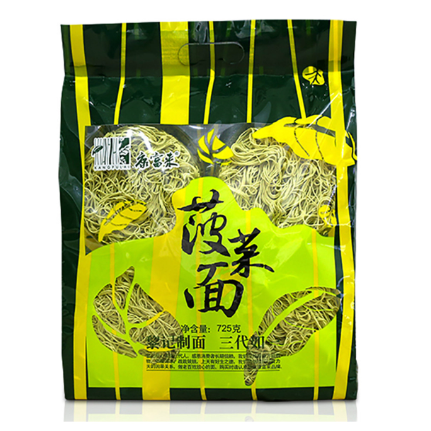 Functional box pack noodles with kale or spinach are dried wheat noodles infused with vegetable powder, packed in a sturdy box format designed for retail shelves and foodservice distribution. Jiangmen Liji Food Co., Ltd. produces these noodles for wellness-focused brands that want a nutrient-forward
-
 Noodles have fed families and fueled businesses across Asia for centuries, and the methods behind making them well haven't changed as much as you might think. What has changed is the scale and precision required to serve customers around the world. Behind every bowl of noodles sold in a supermarket

Keep in touch with us
Jiangmen Liji Food Co., Ltd. is an integrated noodle manufacturer with 3 generations of heritage. We deliver premium Cantonese noodles via strong R&D, advanced production and complete supporting facilities.
Phone/Whatsapp:+86 13143141923
E-mail:cocochen@gdlijifood.com


