
- All
- Product Name
- Product Keyword
- Product Model
- Product Summary
- Product Description
- Multi Field Search
Views: 0 Author: Site Editor Publish Time: 2025-10-20 Origin: Site
As the autumn breeze sets in and the white dew season arrives, it's time to nourish our bodies with wholesome white foods. Think snow pears, tremella, lotus seeds, Chinese yam, and lily bulbs—super foods that are packed with nutrition! However, if you've got kids, you might have noticed a trend: they often turn up their noses at these healthy options. Trust me, I feel your pain; my little one practically throws a fit when faced with even a slice of Chinese yam!
But fear not, for with a little creativity, even the pickiest eaters can be coaxed to enjoy these nutrient-dense foods! Today, I'm excited to share a brilliant recipe for Chinese Yam Noodles that will tantalize your taste buds and leave your kiddos asking for more! Believe me, they'll slurp down the broth so fast, you might wonder if they actually know what's in it!
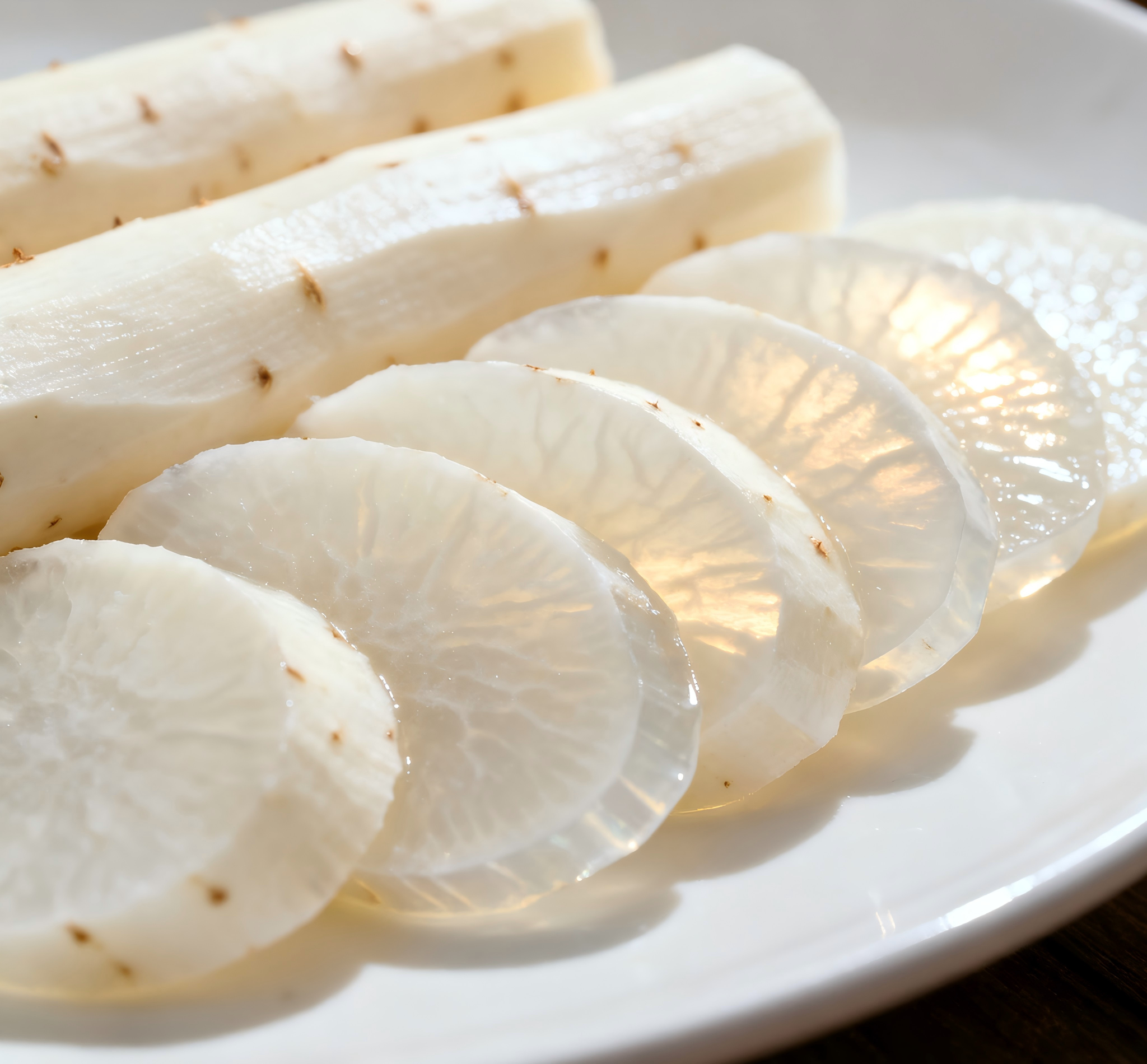
Here’s How to Make Your Own Chinese Yam Noodles:
Ingredients:
- 1 piece of Chinese yam (Iron stick yam works great; adjust quantity based on how many you're serving)
- Minced pork or other meat
- Sweet potato flour
- Pepper, salt, oyster sauce, and soy sauce (for marinating the meat)
- 2-3 tomatoes
- Green onions (for garnish)
- Any preferred vegetables
- Water (for cooking)
Step-by-Step Guide:
1.Prepare the Chinese Yam: Start by cleaning, peeling, and slicing your Chinese yam. Steam it until soft and set it aside.
2. Marinate the Meat: While your yam is steaming, chop your pork into minced bits and mix it with sweet potato flour, pepper, salt, oyster sauce, and soy sauce. Let it sit to marinate for the flavors to meld.
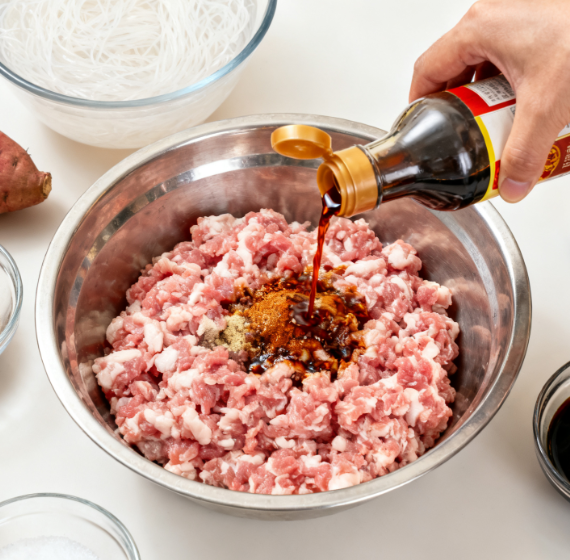
3. Tomato Prep: Take your tomatoes, make a few cuts on their skin, and immerse them in boiling water for about 5 minutes. This step will make peeling super easy! Once peeled, chop them into small cubes.
4. Make the Noodle Dough: Once the yam has cooled, mash it into a fine puree in a mixing bowl. Add 200 grams of flour and 5 grams of salt. Start mixing until it forms a dough. Be cautious not to add too much water—only a sprinkle if necessary until it reaches the right consistency for noodles. Let it rest for 5-10 minutes.
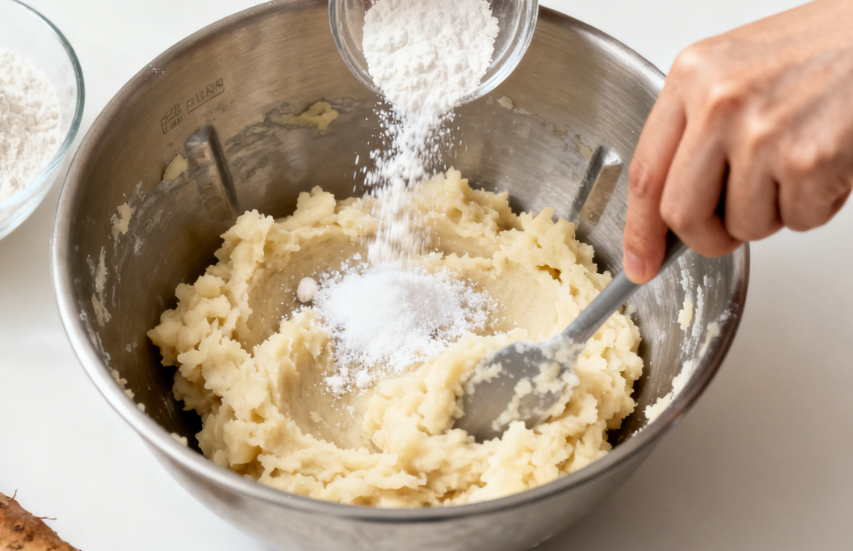
5. Cook the Meat: Heat your pan and add a bit of oil. Fry the marinated minced pork until it's cooked through and aromatic. Set it aside.
6. Sauté Vegetables: Using the same pan, toss in the diced tomatoes and maybe some onions. Cook until the tomatoes break down and form a sauce. Add some water to create a juicy base.
7. Cut the Noodles: It’s noodle time! Grab your rested dough and using clean scissors, snip it into noodle shapes directly into the boiling pot. Be careful not to start cooking them before you’ve finished cutting!
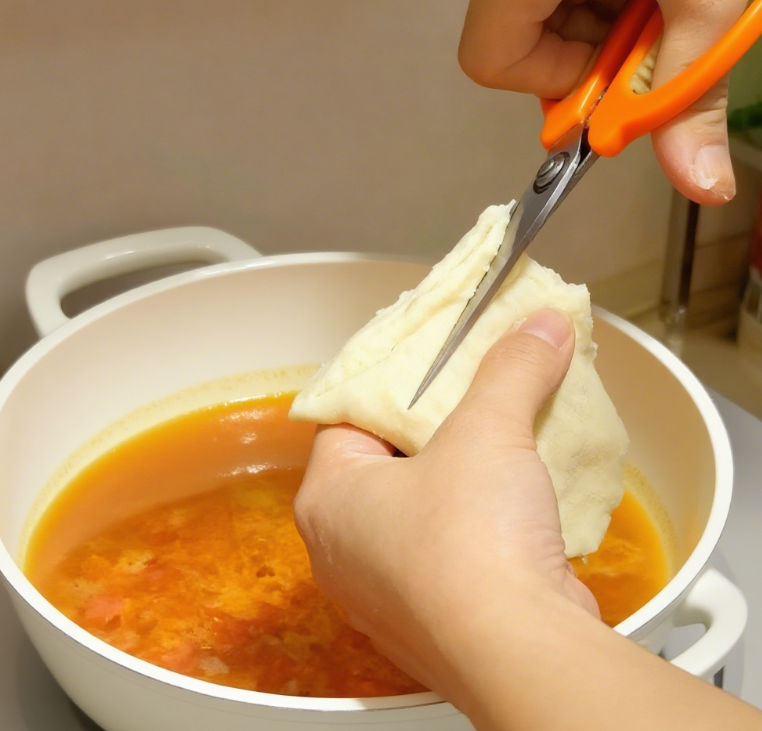
8. Simmer to Perfection: Once all your noodles are in the pot, cover it up and bring it to a boil. When it’s boiling, uncover and reduce the heat to medium-low, adding your previously cooked minced meat and favorite veggies. Season as per your taste and sprinkle with chopped green onions!
9. Enjoy Your Creation: Voila! Serve your delicious Chinese Yam Noodles hot. Trust me, you won't even realize you're eating noodles made from yam! Each bite is a delightful balance of flavors and textures—perfect nutrition disguised in a dish that's sure to please even the fussiest kid!
If you don’t feel like making them from scratch, worry not! You can always purchase our specially made Chinese Yam noodles, crafted from fresh yam and wheat flour—with no additives at all. They’re finer, silkier, and utterly delicious! If you're interested, feel free to reach out and enjoy some nutritious goodness!

Get ready to charm your family’s taste buds with this incredible noodle dish, blending health with fun! Who knew that nourishing can taste this good? Happy cooking! ✨
Email: cocochen@gdlijifood.com
Phone: +86 13143141923
Keywords: noodles, Chinese yam.


