Views: 0 Author: Site Editor Publish Time: 2025-04-18 Origin: Site
A recent French study exposing the socio-environmental costs of imported foods has sparked global conversations about ethical consumption. From cocoa and coffee to vanilla and cashews, these pantry staples often hide stories of deforestation, pollution, and worker exploitation - issues that find their counterpoint in Jiangmen LiJi Food Co., Ltd's sustainable noodle production.
The report reveals alarming practices behind France's food imports:
· Cocoa: Ivory Coast's forests shrank by 80% due to cocoa farming expansion
· Coffee: Heavy chemical use contaminates waterways and ecosystems
· Vanilla & Cashews: Producers earn less than living wages while facing occupational hazards
These problems stem from exploitative pricing and resource extraction in global supply chains, disproportionately affecting developing nations.

Amid these challenges, LiJi Food emerges as a model of responsible production through its signature egg noodles, ramen noodles, and other noodles. Here's how they're rewriting the rules:
Health-Conscious Processing
Using quick-boil technology instead of deep-frying, we eliminates unnecessary fats while preserving authentic texture - a stark contrast to oil-laden instant noodles.
Premium Non-GMO Ingredients
Their noodles derive natural wheat aroma from carefully selected non-transgenic flour, minimizing agricultural chemical use through strict sourcing.
Employee-Centered Operations
Comprehensive benefits packages including social insurance and commercial coverage demonstrate our worker-first philosophy, countering the labor abuses found in conventional supply chains.
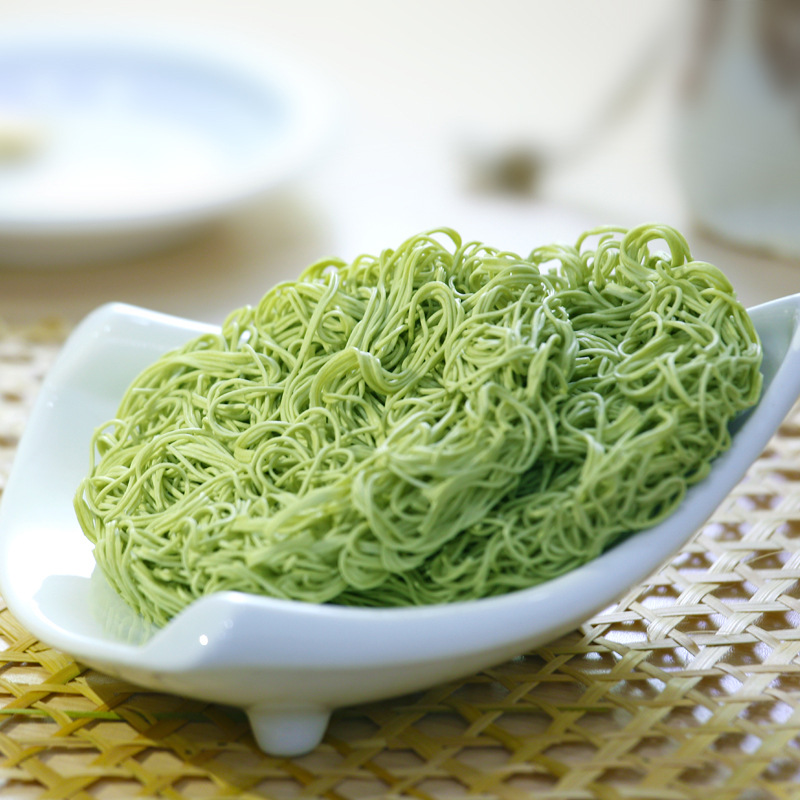
As food system flaws become increasingly apparent, Li Ji's approach proves that responsible production can coexist with culinary excellence. Each bowl embodies:
· 68% reduced oil content vs traditional fried noodles
· 100% traceable wheat sources
· 200+ years of preserved noodle-making heritage
By choosing LiJi, consumers don't just enjoy authentic Cantonese noodles - they support ecological balance, cultural continuity, and fair labor practices. In a world grappling with food ethics, this Jiangmen-based company shows how everyday meals can drive meaningful change.
Few pantry staples travel as far, or last as long, as a well-made batch of noodles. Long before they reach a simmering pot of broth or a stir-fry pan, these golden strands pass through careful sourcing, mixing, drying, and packaging steps designed to lock in flavor and shelf life. Understanding that
For centuries, noodles have formed the backbone of countless regional cuisines across China, from the hand-pulled strands of Lanzhou to the thin rice noodles found in southern provinces. Today, that culinary tradition has spread far beyond its origins, landing on grocery shelves, restaurant menus, a
Finding a dependable noodle supplier is harder than most buyers expect. Packaging specs, shelf life, flour quality, and production capacity all affect whether a shipment arrives consistent batch after batch. This guide breaks down what restaurant groups, retailers, and distributors should look for w
The noodle aisle in any grocery store looks deceptively simple — neat rows of bagged wheat noodles, each promising a quick meal. Behind that simplicity sits a supply chain built on precision, food safety compliance, and decades of culinary tradition. For restaurant groups, retail brands, and food di
The noodle aisle looks simple from a supermarket shelf, but the journey from raw wheat flour to a sealed bag involves a surprising amount of engineering, quality control, and logistics planning. For buyers sourcing dried noodles at scale, from restaurant chains to private-label retail brands, unders
Sourcing noodles for a restaurant chain, retail brand, or food distribution business isn't as simple as picking the cheapest option online. Buyers need consistency, food safety compliance, and a supplier who can scale with demand. For companies exploring dried egg noodles as a menu staple or private
Sourcing noodles for a retail chain, food service business, or private label brand comes with more complexity than most buyers expect. Quality varies dramatically between suppliers, packaging requirements differ by market, and production capacity can make or break a supply agreement. Getting these d
Noodles have quietly become one of the most traded staple foods on the planet. From family kitchens to hotel buffets, the appeal is the same: a filling, versatile carbohydrate that pairs with almost any broth, sauce, or stir-fry. But long before a bag reaches a shelf, it travels through a supply cha
Egg noodles bring a rich, springy bite to soups, stir-fries, and cold dishes, and preparing them at home is far easier than most cooks expect. With the right ratio of flour, eggs, and a little patience for resting the dough, anyone can produce noodles with restaurant-quality texture in under an hour
A typical 1-cup (160g) serving of cooked egg noodles contains roughly 40 grams of carbohydrates. Dry egg noodles pack more—about 71 grams of carbs per 100g—since cooking adds water and lowers the concentration per serving. Portion size, brand, and recipe all shift the final number.Egg noodles are a
Noodles have fed families and fueled busy kitchens for centuries, yet most people never think about what happens before that bag lands on a supermarket shelf. The journey from raw wheat flour to a springy, golden strand involves careful blending, precise cutting, and controlled drying — steps that d
Chinese egg noodles are made by combining wheat flour, eggs, and salt into a firm dough, then rolling and cutting it into thin strands. The process takes under an hour and produces noodles with a springy, golden texture that suits soups, stir-fries, and cold dishes alike.Few staples carry the same w