
- All
- Product Name
- Product Keyword
- Product Model
- Product Summary
- Product Description
- Multi Field Search
Views: 0 Author: Site Editor Publish Time: 2026-05-28 Origin: Site
Cooking authentic Asian cuisine at home often starts with a fantastic base. Chinese egg noodles offer a chewy texture and rich flavor that serve as the perfect canvas for countless ingredients. Many home cooks struggle to decide which proteins, vegetables, and sauces will yield that restaurant-quality finish.
When you choose the right ingredients, a simple package of dried pasta transforms into a culinary masterpiece. The firm texture holds up beautifully against heavy sauces and high-heat cooking methods. Knowing exactly which flavor profiles complement this staple ingredient saves you time in the kitchen and guarantees a delicious dining experience.
This guide explores the best ingredients to pair with your dishes. You will learn how to prepare dried noodles, discover classic flavor combinations, and find out where to source high-quality pasta for your pantry or business.
Creating a balanced dish requires a thoughtful combination of proteins, vegetables, and sauces. Chinese food noodles absorb flavors exceptionally well, making them ideal for both light broths and heavy stir-fries.
For a savory main course, chicken, beef, and shrimp are classic choices. Shrimp pairs wonderfully with lighter, soy-based sauces. Beef flank steak holds its own against robust, spicy garlic sauces. If you prefer a plant-based option, firm tofu provides excellent texture and easily absorbs your chosen marinades.
Vegetables add essential crunch and nutrition to your meal. Leafy greens like bok choy and gai lan (Chinese broccoli) bring a mild bitterness that balances salty soy sauce. Sliced bell peppers and carrots add vibrant color and a hint of natural sweetness.
Ingredient Category | Recommended Options | Best Cooking Method |
|---|---|---|
Proteins | Sliced chicken, beef flank, shrimp, firm tofu | High-heat stir-fry |
Vegetables | Bok choy, gai lan, bell peppers, bean sprouts | Quick blanch or stir-fry |
Sauces | Light soy sauce, oyster sauce, sesame oil, chili crisp | Tossed directly with cooked pasta |
Garnishes | Green onions, toasted sesame seeds, cilantro | Added fresh before serving |
Shrimp and chicken are classic companions for this type of dish. Their relatively mild flavors soak up savory marinades and rich sauces beautifully. For a heartier option, thinly sliced beef flanks work wonderfully when seared in a hot wok. Vegetarians can opt for firm or extra-firm tofu, which provides excellent texture and absorbs soy-based liquids very easily.
Vegetables add essential crunch, color, and nutrition to your dish. Leafy greens like bok choy, choy sum, and spinach wilt perfectly when tossed with hot pasta right at the end of the cooking process. Julienned carrots, sliced bell peppers, and fresh bean sprouts offer a refreshing crunch that perfectly balances the soft chewiness of the meal.
A great sauce ties the whole meal together. A simple mix of dark soy sauce, oyster sauce, and a dash of toasted sesame oil creates a savory, umami-packed coating for a classic chow mein. If you prefer a comforting soup, try a rich chicken or pork broth simmered slowly with star anise, fresh ginger, and garlic cloves. Pour the hot broth directly over the cooked strands just before serving.
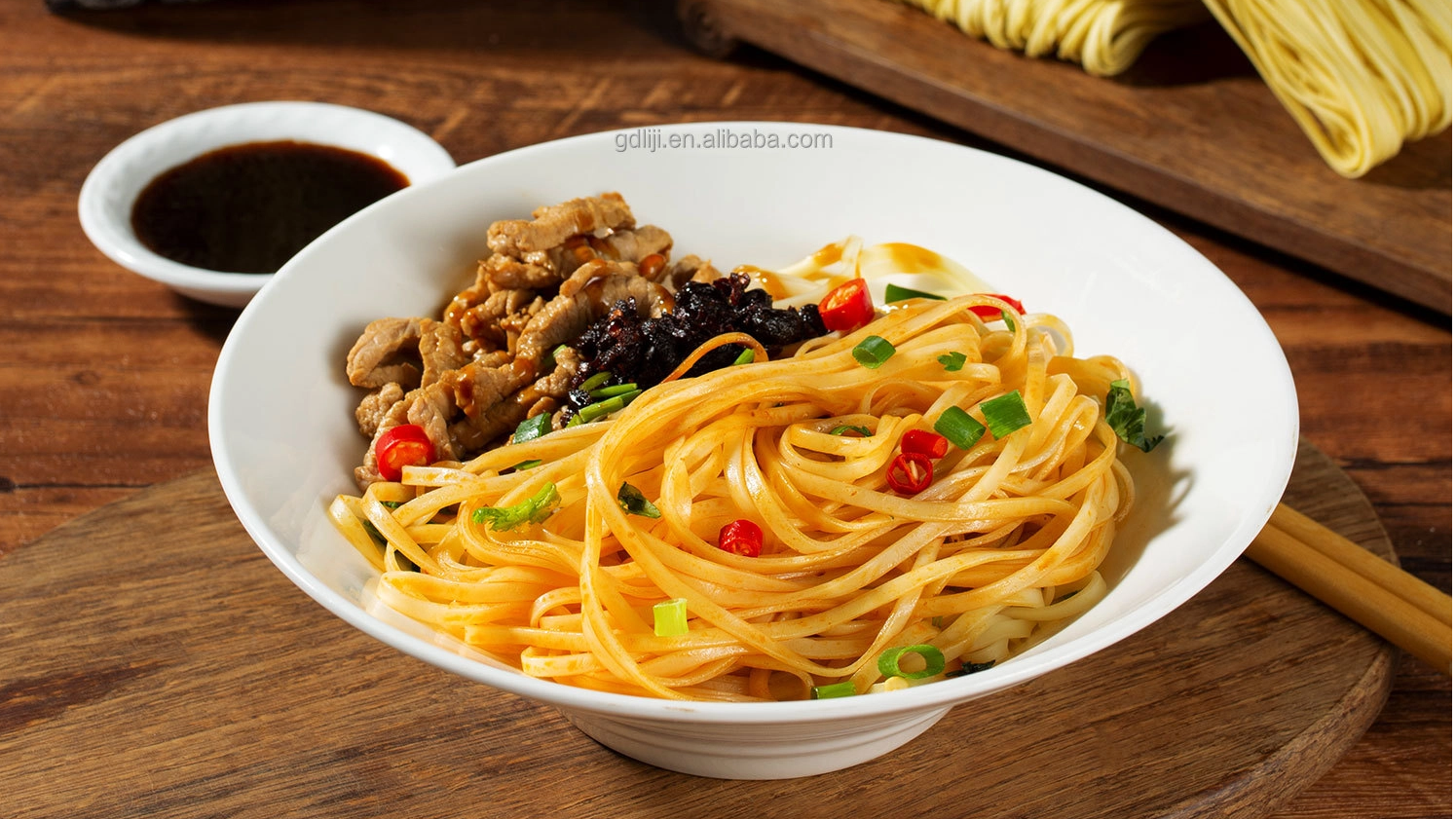
Dried noodles are incredibly convenient because they boast a long shelf life while retaining an excellent, springy texture when cooked correctly. The key to achieving the perfect bite lies in the boiling process.
Boil a large pot of salted water. Drop the dried pasta in and let it cook for three to five minutes. Check the firmness at the three-minute mark to prevent overcooking. Once the pasta reaches the desired tenderness, drain it immediately.
To stop the cooking process and prevent the strands from clumping together, rinse the cooked portions under cold running water. Choose this quick-cooling method if you plan to stir-fry the pasta later, as it keeps the strands separate and firm.
For restaurant owners and food distributors, purchasing ingredients in bulk reduces costs and ensures a consistent supply chain. Partnering directly with a noodles factory wholesale provider eliminates middlemen and guarantees product freshness.
Companies like Jiangmen Liji Food Co., Ltd. specialize in producing excellent non-fried pasta that maintains elasticity and toughness. Operating out of a massive modern facility, their professional technical team implements strict quality assurance controls throughout the entire production process. When you source directly from the manufacturer, you gain access to a wide variety of convenient packaging options, ranging from individual packs to large cartons. You can browse their extensive catalog, learn about their production methods, and place bulk orders by visiting www.lijinoodles.com. Buying wholesale guarantees you always have the perfect base ready for your favorite recipes.
Wholesale prices vary based on packaging and order volume. Purchasing carton pack or bulk bag options directly from a manufacturer like Liji Noodles significantly lowers the cost per unit compared to buying retail individual packs.
Choose wheat-based pasta made without eggs, or opt for rice vermicelli. These alternatives provide a similar chewy texture but contain zero animal products, making them perfect for vegan diets.
Non-fried dried noodles are ideal for health-conscious consumers and professional chefs. The non-fried manufacturing process retains nutritional value and provides a smoother texture, which is excellent for high-end restaurant dishes.
To prevent sticking, ensure your wok is smoking hot before adding oil. Toss the boiled, cold-rinsed pasta into the hot oil and keep the ingredients moving constantly with a spatula.
Mastering what to serve with your favorite Asian pasta opens up a world of delicious possibilities. By pairing the right proteins, fresh vegetables, and savory sauces, you can create meals that rival your favorite takeout spot. Remember that the quality of your base ingredient matters. Sourcing premium, non-fried pasta ensures your dish has the necessary texture and flavor foundation to succeed. Start experimenting with these pairings today and elevate your home cooking to the next level.
Quick answer: The best ingredients to eat with Chinese egg noodles include proteins like shrimp, chicken, or tofu, paired with crisp vegetables such as bok choy and bell peppers. Toss these ingredients in a savory sauce made from soy sauce, oyster sauce, and sesame oil for a perfectly balanced meal.


