
- All
- Product Name
- Product Keyword
- Product Model
- Product Summary
- Product Description
- Multi Field Search
Views: 0 Author: Site Editor Publish Time: 2026-08-11 Origin: Site
Egg noodles and pasta have been staple foods across cultures for centuries. Both are affordable, versatile, and easy to cook. Yet when placed side by side on a nutrition label, the differences are subtle enough to confuse even the most health-conscious shopper.
So which one deserves a regular spot on your plate? The answer is more nuanced than most food blogs let on. This article breaks down the nutritional profiles of both, compares them across key health markers, and helps you make an informed decision based on your personal health goals.

At their most basic, both egg noodles and pasta are made from flour and water. The key distinction is eggs. Traditional egg noodles—the kind sourced from a reputable noodles manufacturer—include whole eggs or egg yolks in the dough, giving them a richer flavor, a slightly yellow hue, and a more tender texture after cooking.
Pasta, particularly the standard semolina variety, is made from durum wheat and water, with no eggs. This makes it suitable for vegans and those with egg allergies—a practical advantage that egg noodles simply cannot match.
Here's a side-by-side look at the approximate nutritional content per 100g (cooked):
Nutrient | Egg Noodles | Semolina Pasta | Whole Wheat Pasta |
|---|---|---|---|
Calories | 138 kcal | 131 kcal | 124 kcal |
Protein | 4.5g | 5.0g | 5.3g |
Carbohydrates | 25g | 26g | 26g |
Dietary Fiber | 1.2g | 1.8g | 3.9g |
Fat | 2.1g | 0.9g | 0.8g |
Cholesterol | 46mg | 0mg | 0mg |
Values are approximate and may vary by brand and preparation method.
The numbers tell an interesting story. Egg noodles are modestly higher in fat and cholesterol—expected, given the egg content. Whole wheat pasta, on the other hand, stands out for its fiber content, delivering more than three times the fiber of egg noodles per serving.
One common assumption is that egg noodles are significantly higher in protein. After all, eggs are a well-known protein source. The reality? The difference is marginal.
Per 100g cooked, egg noodles deliver around 4.5g of protein, while semolina pasta comes in at roughly 5g. Whole wheat pasta edges slightly higher. For most people, this gap is nutritionally insignificant in the context of a full meal. Pairing either noodle type with a protein-rich sauce—chicken, tofu, legumes—will have far more impact on your daily intake than choosing one noodle over the other.
Fiber is where the gap becomes meaningful. Whole wheat pasta contains nearly 4g of fiber per 100g cooked serving, compared to egg noodles' 1.2g. Dietary fiber supports digestive health, helps regulate blood sugar, and promotes a feeling of fullness after meals.
If digestive health or weight management is a priority, whole wheat pasta has a clear nutritional edge. Regular semolina pasta sits in the middle—better than egg noodles for fiber, but not as rich as whole wheat varieties.
The cholesterol found in egg noodles—roughly 46mg per 100g—comes entirely from the eggs used in production. For most healthy adults, dietary cholesterol has a limited effect on blood cholesterol levels, according to the American Heart Association. However, for individuals managing cardiovascular conditions or following a low-cholesterol diet, this difference may be worth factoring in.
Pasta, made without eggs, contains zero cholesterol. For this reason, pasta is typically the recommended choice for those with heart-related dietary restrictions.
Both egg noodles and pasta rank as moderate glycemic index (GI) foods, meaning they raise blood sugar at a moderate pace rather than causing sharp spikes. Egg noodles have a GI of approximately 40, while regular pasta lands around 45–55 depending on cooking time (al dente pasta has a lower GI than fully cooked pasta).
Whole wheat pasta performs best here, with a GI closer to 37, making it a better option for those managing blood sugar levels or following a low-GI eating plan.
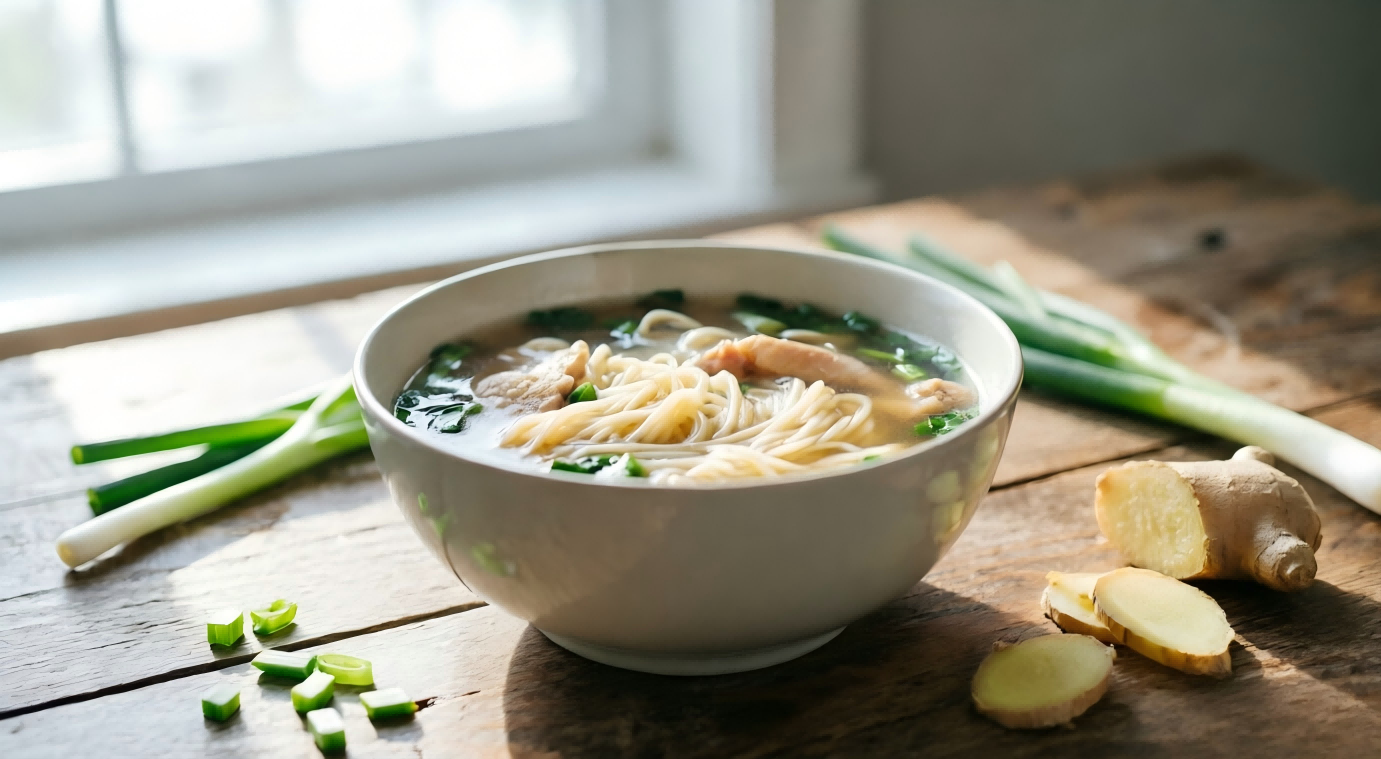
Nutritional content doesn't exist in isolation—it's also shaped by how noodles are made. Products sourced from a quality-focused noodles factory tend to use cleaner ingredients, better-milled flour, and more controlled drying processes. This matters more than many shoppers realize.
For example, dried noodles that are commercially produced using high-quality durum wheat will retain more of the grain's natural nutrients compared to those made with heavily refined flour. When purchasing dried noodles, checking ingredient lists for whole grain flour, minimal additives, and clear sourcing information is a smart practice. A trusted noodles manufacturer will typically be transparent about their production process and ingredient standards—both good indicators of the final product's nutritional quality.
Egg noodles aren't the inferior option—they're simply a different one. Here are the cases where egg noodles are the better fit:
Texture preference: Egg noodles have a softer, more tender bite, making them ideal for soups, stews, and dishes like beef stroganoff.
Flavor richness: The egg content adds a natural richness that complements creamy or butter-based sauces particularly well.
Cultural cuisine: Many traditional Asian dishes—from lo mein to ramen—call specifically for egg-based noodles for authentic flavor and texture.
Lower-fiber diets: For individuals with certain digestive conditions requiring reduced fiber intake, egg noodles may be preferable.
Choose pasta when fiber intake, cholesterol management, or a vegan diet is the priority. Choose egg noodles when texture, flavor, or cultural authenticity matters most.
Are egg noodles gluten-free?
No, traditional egg noodles are made from wheat flour and contain gluten. Gluten-free alternatives made from rice flour or chickpea flour are available but have different nutritional profiles.
Can egg noodles be part of a healthy diet?
Yes. Egg noodles can fit into a balanced diet when consumed in appropriate portions and paired with vegetables, lean proteins, and light sauces. No single food is inherently "unhealthy" in context.
Are dried noodles less nutritious than fresh noodles?
Not significantly. The drying process used by a noodles factory preserves most of the nutritional content of the original dough. The key variable is the quality of ingredients used before drying.
Which noodle type is better for weight management?
Whole wheat pasta tends to be the better option for weight management due to its higher fiber content, which supports satiety. However, portion size and overall meal composition matter more than noodle type alone.
Do egg noodles contain more calories than pasta?
The caloric difference is minimal—egg noodles contain roughly 138 kcal per 100g cooked, compared to about 131 kcal for semolina pasta. This small gap is unlikely to make a meaningful difference in daily caloric intake.
Egg noodles and pasta are more alike than different. Both provide energy, moderate protein, and a versatile base for hundreds of dishes. The healthiest option ultimately depends on your individual dietary needs—whether that's fiber, cholesterol management, or simply the flavors and textures your meals call for.
For practical day-to-day guidance: opt for whole wheat pasta when nutrition is the priority, egg noodles when texture and taste take center stage, and always look for products from a reputable noodles manufacturer that prioritizes ingredient quality. Reliable dried noodles, whether egg-based or wheat-based, sourced from a conscientious noodles factory, can serve as a nutritious foundation for countless healthy meals. Visit www.lijinoodles.com to explore quality noodle options for your kitchen.
Quick answer: Egg noodles and pasta are nutritionally similar, but egg noodles tend to be slightly higher in protein and cholesterol due to their egg content, while pasta—especially whole wheat—often offers more fiber. The healthier choice depends on your dietary goals and the specific product you choose.


