


Few pantry staples travel as far, or last as long, as a well-made batch of noodles. Long before they reach a simmering pot of broth or a stir-fry pan, these golden strands pass through careful sourcing, mixing, drying, and packaging steps designed to lock in flavor and shelf life. Understanding that journey helps explain why some noodle brands taste richer, cook more evenly, and hold up better in storage than others.
Egg-based varieties, in particular, have earned a loyal following for their deeper color, firmer bite, and slightly richer flavor compared to plain wheat noodles. But not everyone agrees on what sets a quality batch apart, or whether this popular noodle style deserves a regular spot on the dinner table. This article breaks down how egg noodles are produced, what to look for nutritionally, and how to decide if they fit your meal plan.
Where Are Dried Egg Noodles Made?
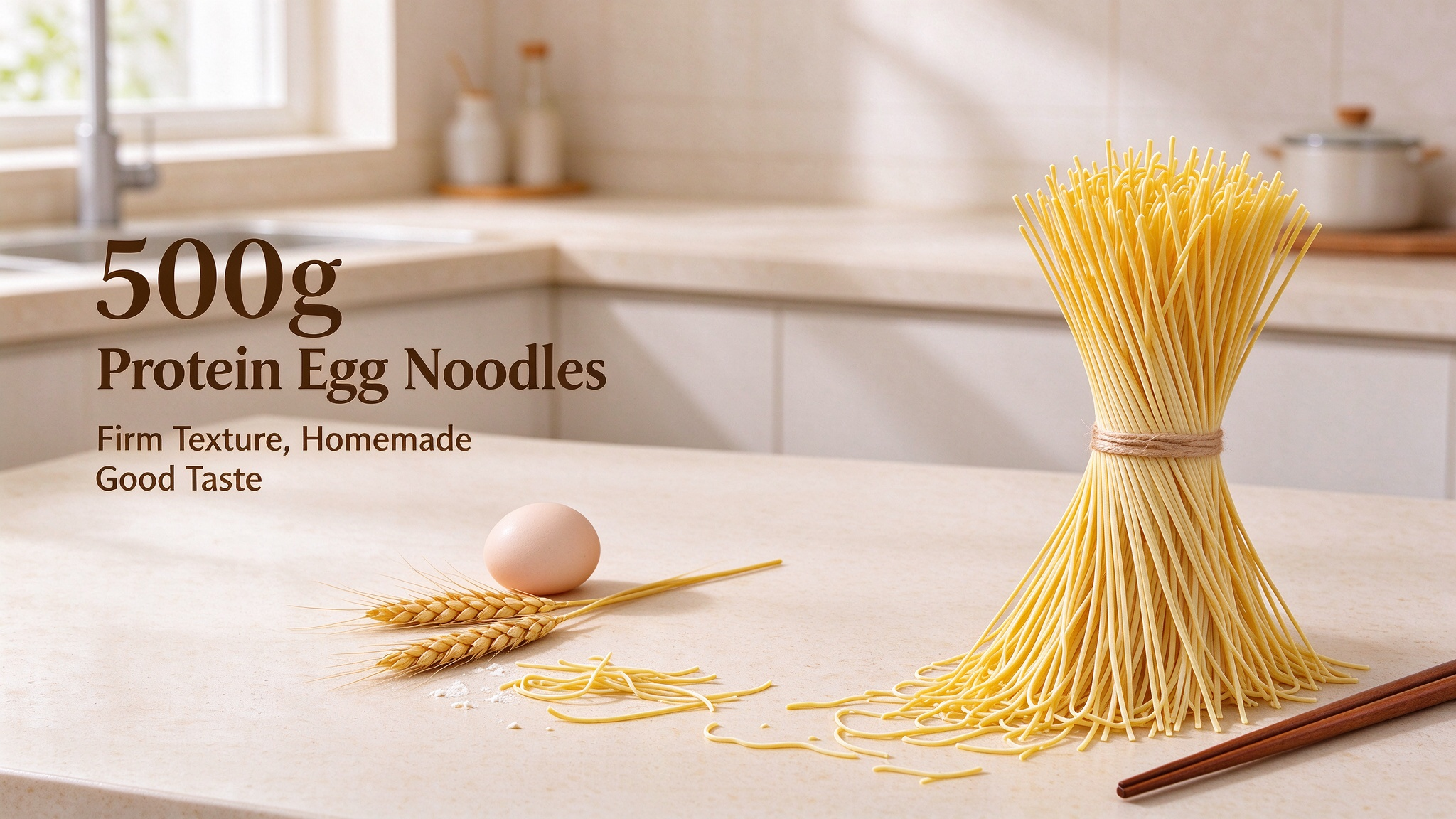
Most packaged noodles start their life far from a kitchen. At a noodles factory, workers blend wheat flour with egg yolks or whole eggs, then knead the mixture into a smooth, elastic dough before running it through rollers that press it into thin, uniform sheets. Those sheets are then sliced into strands of consistent width, a step that affects both cooking time and texture once the noodles land in a pot of boiling water.
Quality control matters here. Facilities that monitor egg ratios closely tend to produce noodles with a more consistent color and bite, while inconsistent mixing can lead to brittle strands or uneven cooking. Buyers who care about texture often look for brands that disclose their egg content, since a higher proportion of egg generally signals a richer, more traditional noodle.
What Happens Inside a Noodle Facility?
Once the dough is cut into strands, it needs to be dried thoroughly before packaging. This step is what turns a perishable fresh pasta into a long-lasting pantry item. Drying tunnels use controlled airflow and temperature to remove moisture gradually, preventing the noodles from cracking or developing an uneven texture. The resulting dried egg noodles can sit on a shelf for months without refrigeration, which is part of why they remain a go-to option for busy households and restaurants alike.
Packaging comes last, and it plays a bigger role in freshness than most shoppers realize. Noodles sealed in moisture-resistant packaging retain their texture far longer than those exposed to humidity, so checking packaging quality is worth a glance before buying in bulk.
How Do Egg Noodles Compare Nutritionally?
Nutrition content varies by brand and recipe, but egg-enriched noodles generally differ from plain wheat noodles in a few consistent ways. The table below offers a general comparison based on typical dry noodle products, though exact values will vary by manufacturer.
Nutrient (per 100g dry) | Egg Noodles | Plain Wheat Noodles | Rice Noodles |
|---|---|---|---|
Protein | Higher, due to added egg | Moderate | Lower |
Fat | Slightly higher | Low | Very low |
Cholesterol | Present, from egg yolk | None | None |
Texture after cooking | Firmer, elastic | Softer | Delicate, chewy |
Shelf life (unopened) | Several months | Several months | Several months |
This comparison shows why egg noodles tend to appeal to people looking for a protein boost alongside their carbohydrates, while those managing cholesterol intake may prefer plain wheat or rice-based alternatives.
Are Egg Noodles Healthy for Everyday Meals?
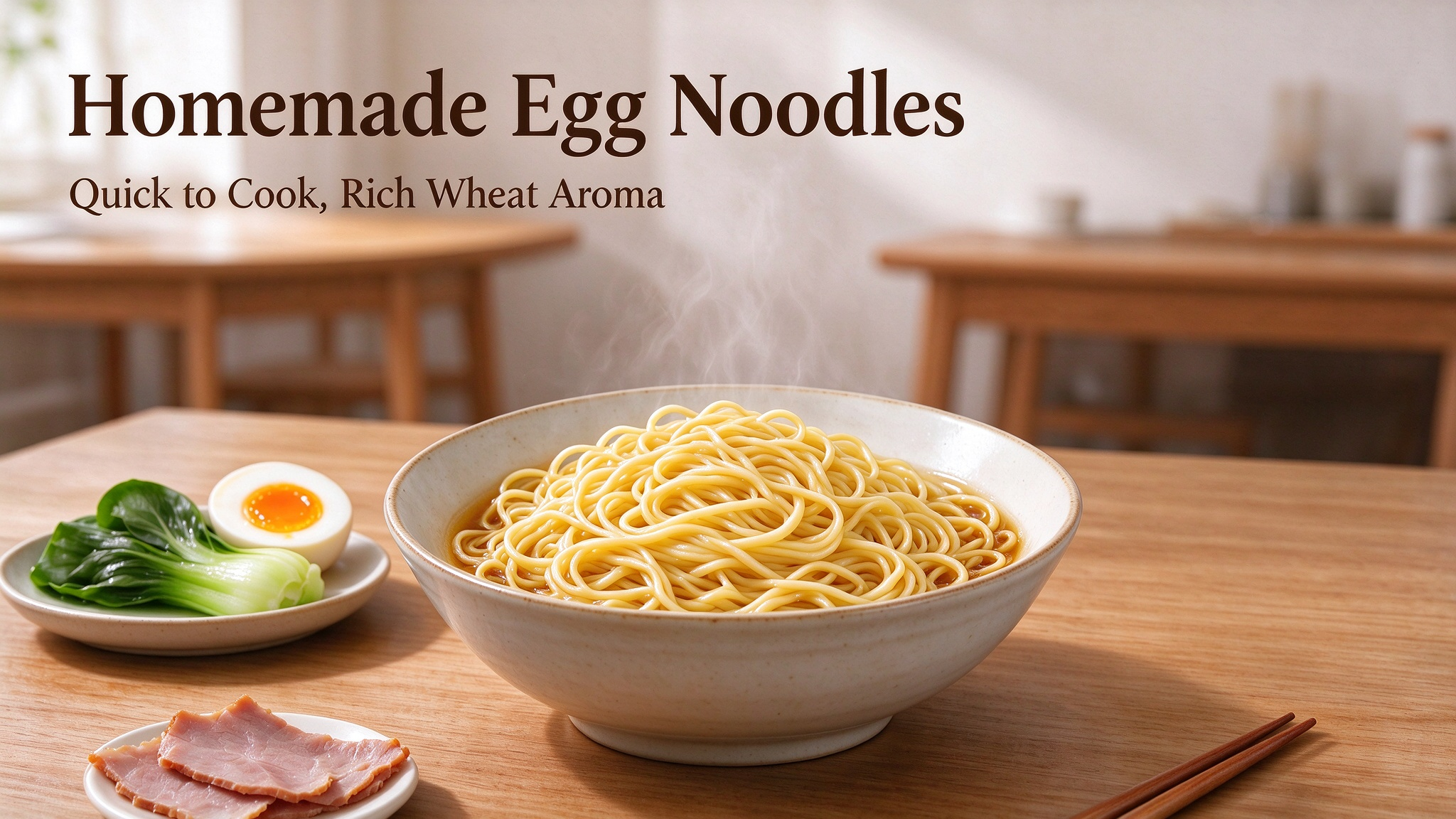
Many shoppers searching for egg noodles healthy options want a straightforward answer, but it depends on the rest of the meal and how often they're eaten. On their own, egg noodles offer a solid carbohydrate base with a modest protein boost compared to plain wheat varieties. Choose egg noodles if you want a firmer texture and extra protein in dishes like soups or stir-fries. Choose a plain wheat or rice noodle instead if cholesterol intake is a specific concern, since egg yolks contribute a small but measurable amount.
Portion size and toppings matter just as much as the noodle itself. A bowl loaded with vegetables and lean protein looks very different, nutritionally, than one drowning in cream sauce or fried toppings. For most people eating a varied diet, egg noodles fit comfortably as an occasional or regular side, not a food to avoid.
Frequently Asked Questions
Are egg noodles more expensive than regular noodles?
Pricing varies by brand and region, but egg noodles are often slightly pricier than plain wheat noodles because of the added egg ingredient and processing steps.
How long do dried egg noodles last once opened?
Once a package is opened, dried egg noodles typically stay fresh for several months if stored in a cool, dry, airtight container away from moisture.
Who should be cautious about eating egg noodles?
People managing cholesterol levels or following an egg-free diet due to allergies should check ingredient labels carefully, since egg content varies between brands.
What are good alternatives to egg noodles?
Rice noodles, buckwheat noodles, and plain wheat noodles all serve as suitable substitutes, depending on dietary needs and the dish being prepared.
Does the drying process affect nutritional value?
Drying mainly removes moisture rather than nutrients, so properly dried noodles retain most of their original protein and carbohydrate content.
Choosing Quality Noodles for Your Kitchen
Picking a good noodle brand comes down to understanding how it's made and what fits your dietary needs. Look for clear labeling on egg content, check packaging for signs of moisture damage, and consider pairing your noodles with vegetables and lean proteins to round out the meal. Brands such as Liji Noodles (www.lijinoodles.com) publish details on their production methods, which can help shoppers compare options before stocking their pantry.
In short, egg-enriched noodles stand out for their firmer texture and modest protein boost, make for a reasonable addition to a balanced diet, and store well thanks to careful drying and packaging, making them a practical choice for households that value both flavor and convenience.
-
 For centuries, noodles have formed the backbone of countless regional cuisines across China, from the hand-pulled strands of Lanzhou to the thin rice noodles found in southern provinces. Today, that culinary tradition has spread far beyond its origins, landing on grocery shelves, restaurant menus, a
-
 Finding a dependable noodle supplier is harder than most buyers expect. Packaging specs, shelf life, flour quality, and production capacity all affect whether a shipment arrives consistent batch after batch. This guide breaks down what restaurant groups, retailers, and distributors should look for w
-
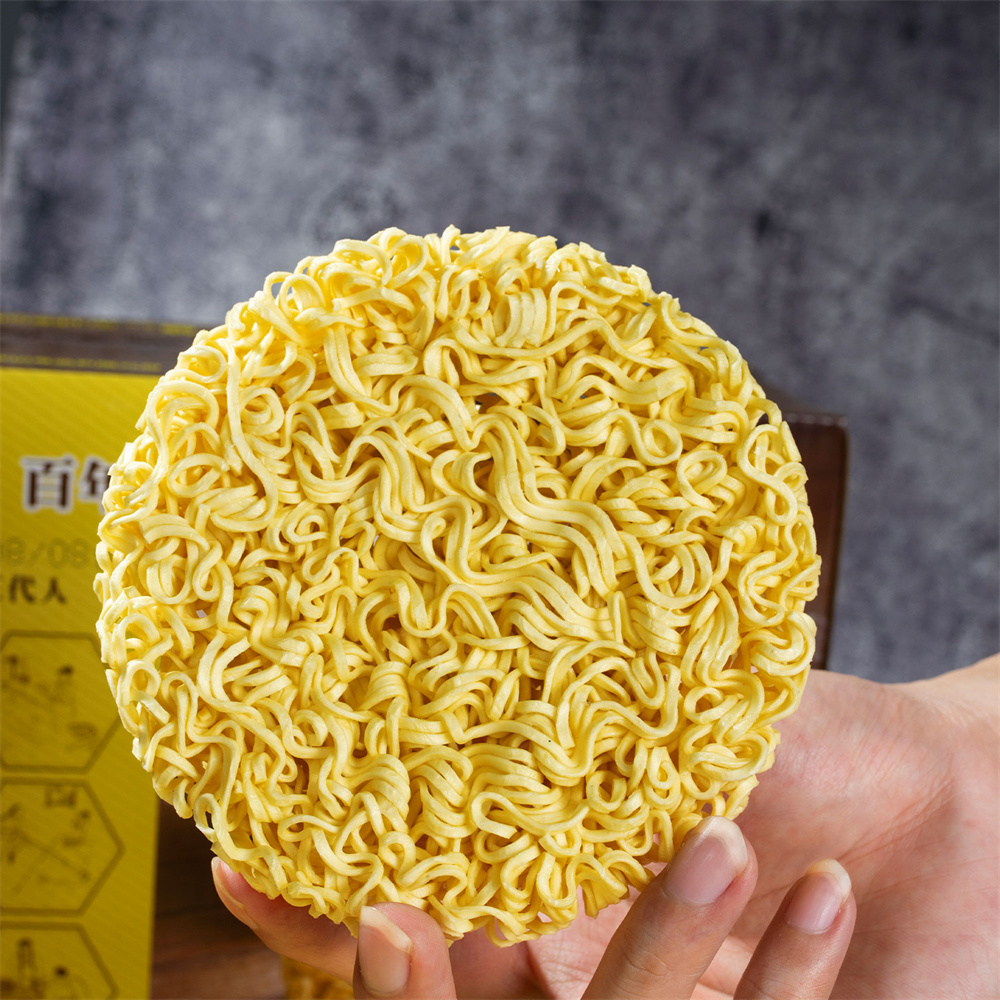 The noodle aisle in any grocery store looks deceptively simple — neat rows of bagged wheat noodles, each promising a quick meal. Behind that simplicity sits a supply chain built on precision, food safety compliance, and decades of culinary tradition. For restaurant groups, retail brands, and food di
-
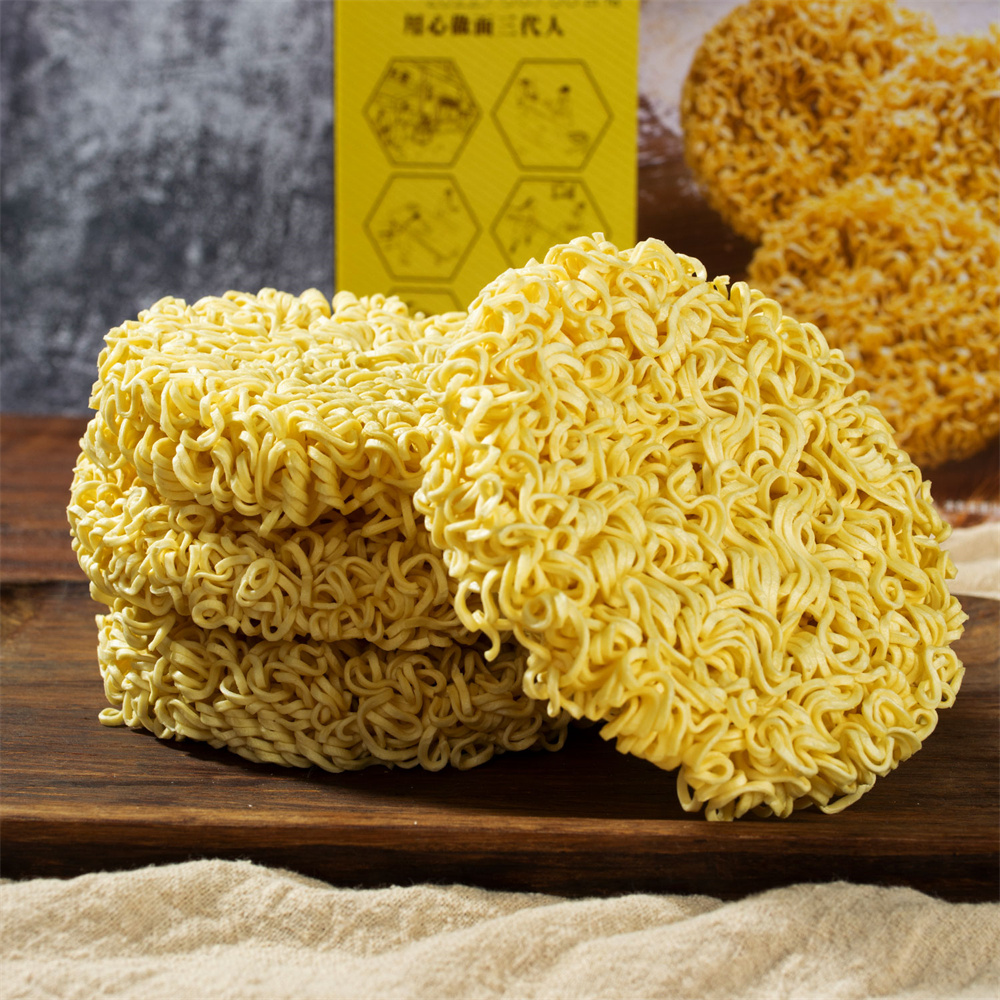 The noodle aisle looks simple from a supermarket shelf, but the journey from raw wheat flour to a sealed bag involves a surprising amount of engineering, quality control, and logistics planning. For buyers sourcing dried noodles at scale, from restaurant chains to private-label retail brands, unders
-
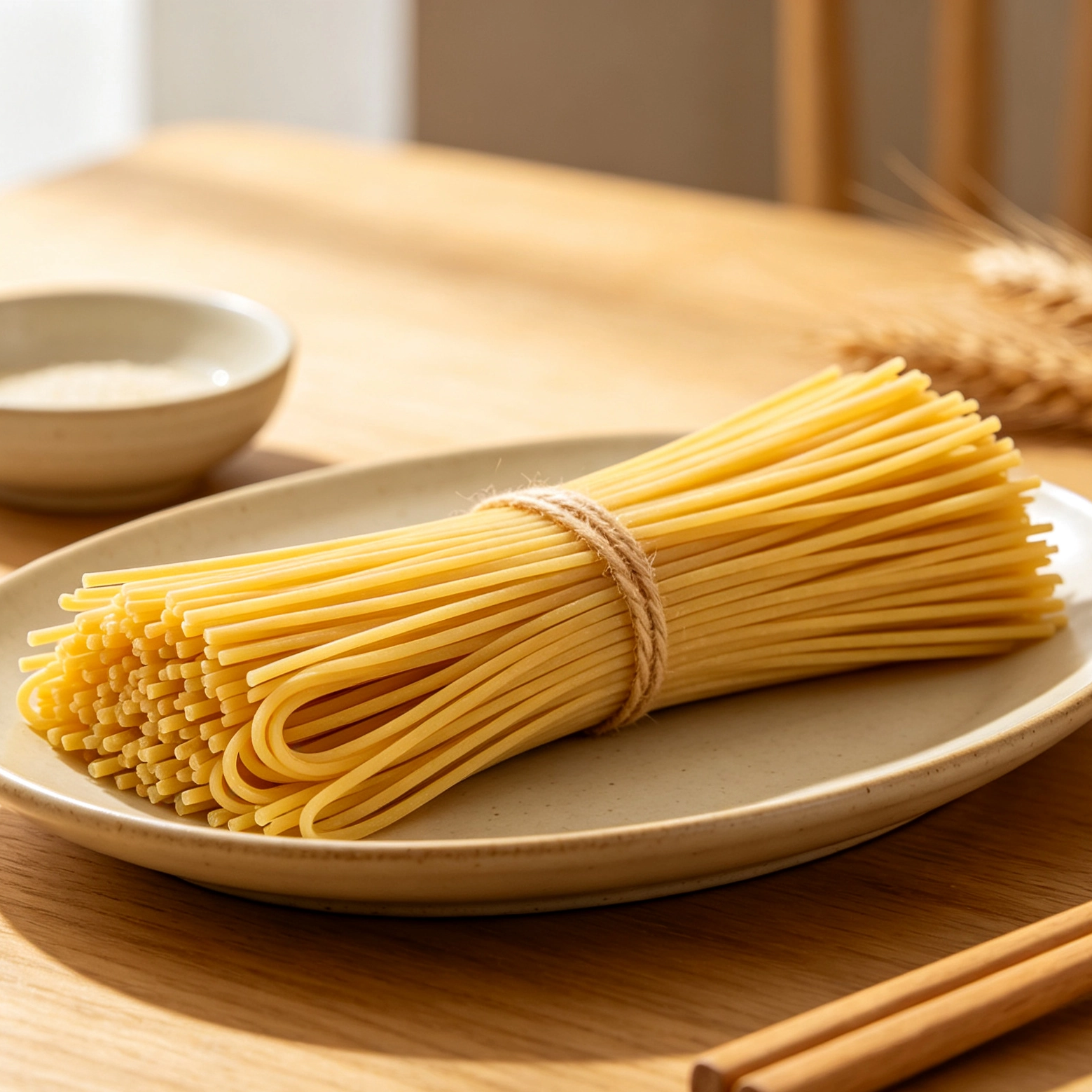 Sourcing noodles for a restaurant chain, retail brand, or food distribution business isn't as simple as picking the cheapest option online. Buyers need consistency, food safety compliance, and a supplier who can scale with demand. For companies exploring dried egg noodles as a menu staple or private
-
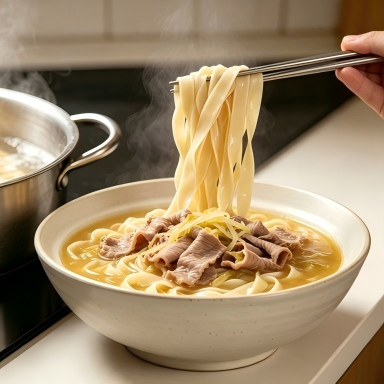 Sourcing noodles for a retail chain, food service business, or private label brand comes with more complexity than most buyers expect. Quality varies dramatically between suppliers, packaging requirements differ by market, and production capacity can make or break a supply agreement. Getting these d
Keep in touch with us
Jiangmen Liji Food Co., Ltd. is an integrated noodle manufacturer with 3 generations of heritage. We deliver premium Cantonese noodles via strong R&D, advanced production and complete supporting facilities.
Phone/Whatsapp:+86 13143141923
E-mail:cocochen@gdlijifood.com


