
- All
- Product Name
- Product Keyword
- Product Model
- Product Summary
- Product Description
- Multi Field Search
Views: 0 Author: Site Editor Publish Time: 2026-08-18 Origin: Site
Egg noodles are one of the most versatile staples in any kitchen. Springy, golden, and satisfying, they absorb broths and sauces beautifully—but only when cooked correctly. Undercook them and they're chewy in the wrong way. Overcook them and they turn soft and soggy.
Getting the timing right depends on more than just watching the clock. Noodle thickness, freshness, and preparation method all play a role. This guide covers everything you need to know to cook egg noodles perfectly, every single time—whether you're making a quick weeknight soup or a slow-cooked stir-fry inspired by traditional recipes.
Not all egg noodles cook the same way. Fresh noodles cook much faster than dried ones, and thin varieties need far less time than thick, flat cuts. The table below gives a reliable reference for the most common types:
Noodle Type | Fresh | Dried | Stir-Fry (after boiling) |
|---|---|---|---|
Thin egg noodles | 1–2 minutes | 3–4 minutes | 1–2 minutes |
Medium egg noodles | 2–3 minutes | 5–7 minutes | 2–3 minutes |
Thick/flat egg noodles | 3–5 minutes | 8–10 minutes | 2–3 minutes |
Wide (Pappardelle-style) egg noodles | 3–4 minutes | 7–9 minutes | 2–3 minutes |
Hand-pulled egg noodles | 2–4 minutes | N/A | 2–3 minutes |
Always bring a large pot of salted water to a full rolling boil before adding noodles. Stir immediately to prevent clumping, and start tasting about one minute before the lower end of the suggested range.
Egg noodles hold a central place in Chinese culinary culture—used in everything from wonton soup to lo mein and dry-tossed noodle dishes. The egg content gives them a characteristic golden color, a slightly richer flavor, and a firm, springy texture that holds up well to bold sauces and high-heat cooking.
In Chinese kitchens, the texture of noodles carries real cultural weight. A noodle that breaks easily is considered unlucky—which is one reason traditional recipes call for noodles with strong gluten structure and good elasticity. For dishes made with Chinese food noodles, the general rule is to cook them slightly shorter than the package suggests, then finish them in a hot wok with sauce. This technique, called "wok-tossing," locks in the texture and ensures the noodles absorb flavor rather than just being coated by it.
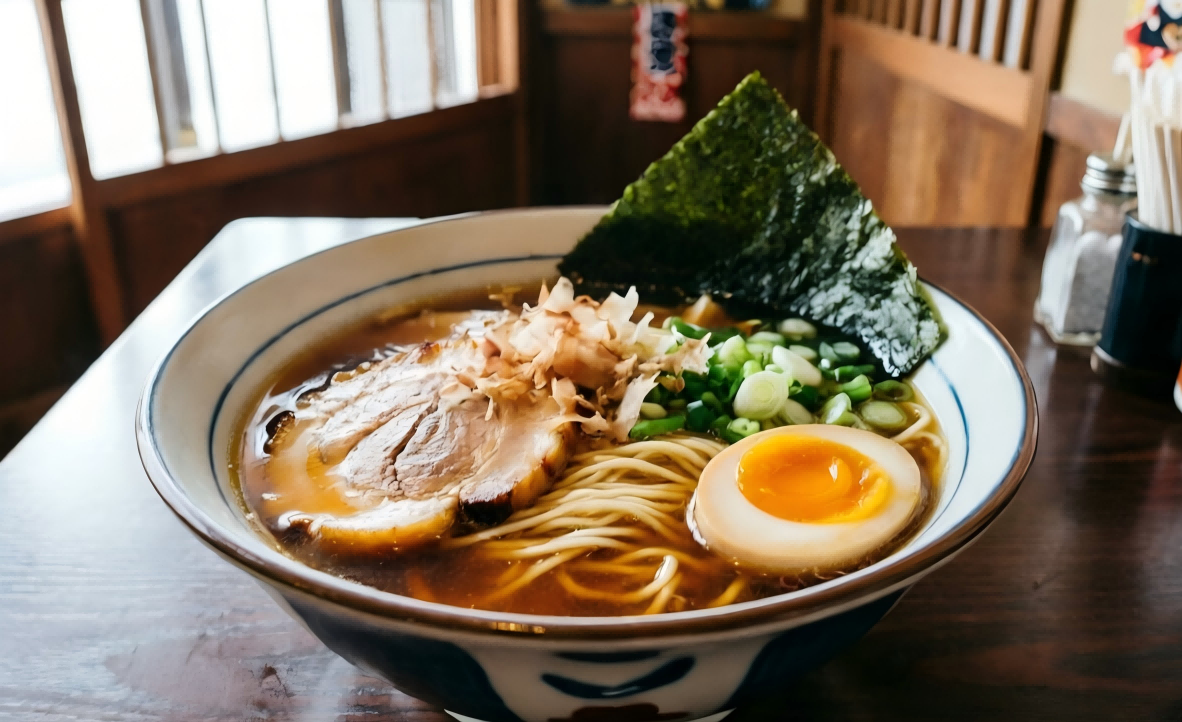
Beyond timing, a few key techniques separate average noodles from truly great ones.
Salted, rolling water — The water should be actively boiling, not just simmering, when noodles go in. Salt the water generously. It seasons the noodle from the inside and slightly firms the exterior.
Don't overcrowd the pot — Too many noodles lower the water temperature, causing uneven cooking. Cook in batches if needed.
Rinse or don't rinse — For soups and broths, skip rinsing. The light starch on the surface helps the broth cling to the noodle. For stir-fries and cold noodle dishes, a quick cold-water rinse stops cooking instantly and keeps noodles from clumping.
Rest before serving — Freshly drained noodles continue to cook from residual heat. Toss them immediately with a small amount of oil or sauce to halt the process.
The quality of an egg noodle starts long before it hits the boiling water. A well-run noodles factory uses precision-controlled drying processes to ensure consistent moisture content, which directly affects cook time and final texture. Noodles dried too quickly can crack or cook unevenly. Noodles with inconsistent thickness—common in lower-grade production—create variance from batch to batch, making it harder to achieve reliable results.
Jiangmen Liji Food Co., Ltd. is a large-scale food processing enterprise based in Guangdong Province, China, covering over 10,000 square meters of production space with more than 10 precision production lines. Their products are backed by international health and safety certifications, with rigorous quality control at every stage of production.
For restaurants, distributors, and food service businesses sourcing through noodles wholesale channels, production consistency matters just as much as price. Uniform noodle thickness, reliable packaging integrity, and batch-to-batch consistency reduce kitchen waste and simplify cooking workflows. Liji's packaging range includes bag pack, box pack, carton pack, and individual pack options—designed to meet the needs of different distribution volumes and storage requirements.
A few final pointers to keep in your back pocket:
Taste frequently during the last minute of cooking—egg noodles can go from perfect to overcooked quickly
For cold noodle dishes, aim for a texture slightly firmer than you'd want in a hot dish, since they'll soften slightly after dressing
Store uncooked dried egg noodles in a cool, dry place—humidity affects their cook time and texture
If reheating cooked noodles, a brief dip in boiling water (30–45 seconds) revives their texture far better than a microwave
Mastering egg noodle cook times is less about memorizing exact minutes and more about understanding the variables at play—noodle type, water temperature, and finishing method. Once those are dialed in, the results are consistent and satisfying.
Frequently Asked Questions
Are fresh egg noodles better than dried?
Fresh egg noodles have a softer, more delicate texture and cook much faster—typically in 1 to 3 minutes. Dried egg noodles take longer (3 to 10 minutes depending on thickness) but have a longer shelf life and are easier to store in bulk. For stir-fries, many cooks prefer dried; for soups, fresh noodles often deliver a silkier result.
Can egg noodles be cooked without boiling first?
Some thin egg noodles can be softened directly in hot broth if the liquid is hot enough and the cooking time is extended. However, boiling first gives more control over texture and prevents the broth from becoming starchy.
Do egg noodles need to be salted?
Salting the cooking water seasons the noodle itself, not just the dish. Use about one teaspoon of salt per liter of water. This is especially important for dishes where the noodle flavor is prominent.
Are egg noodles different from regular pasta?
Yes. Egg noodles contain a higher proportion of egg than most Italian-style pasta, which gives them a richer flavor, a more golden color, and a slightly denser texture. They also tend to cook faster than pasta of a similar size.
Where can egg noodles be purchased in bulk for food service?
Food service operators and distributors can source egg noodles through noodles wholesale suppliers that specialize in large-format, export-ready production. Liji Food (www.lijinoodles.com) offers multiple packaging configurations for wholesale orders, with international shipping from Jiangmen, Guangdong.
TL;DR: Egg noodles typically cook in 1–10 minutes depending on thickness and whether they are fresh or dried. Thin fresh noodles take 1–2 minutes; thick dried noodles can take up to 10 minutes. For best results, boil in salted water, taste early, and finish in sauce or broth. Quality sourcing—particularly through established producers who supply Chinese food noodles at scale—makes a significant difference in cook time consistency and final texture. Whether you're exploring a local noodles factory or ordering through a noodles wholesale supplier, uniform production standards are the foundation of a reliable result.


