
- All
- Product Name
- Product Keyword
- Product Model
- Product Summary
- Product Description
- Multi Field Search
Views: 0 Author: Site Editor Publish Time: 2026-02-24 Origin: Site
Oriental ramen noodles have become a global favorite, not only for their convenience but also for their unique taste. Many food enthusiasts wonder: what flavor is oriental ramen noodles? The answer lies in the perfect balance of savory broth, tender textures, and aromatic seasonings. Oriental noodles are designed to provide a rich umami flavor that can be mild or intensely spiced depending on preparation. When paired with handmade noodles and chewy noodles, each bite delivers a satisfying mouthfeel that keeps food lovers coming back for more.
This article explores the flavor profile of oriental ramen noodles, the craftsmanship behind handmade noodles, and the reason why chewy noodles are so widely adored.
The flavor of oriental noodles is complex, often combining salty, savory, and slightly sweet notes. Some of the most common flavor types include:
Soy Sauce Flavor – A traditional base that highlights deep umami and slight sweetness.
Miso Flavor – Rich, fermented soybean paste provides a nutty and savory aroma.
Spicy Flavor – Chili and aromatic spices add a kick without overpowering the noodle texture.
Seafood Flavor – Lightly seasoned with fish or shrimp extract, enhancing the natural umami of chewy noodles.
Each of these flavors is carefully balanced to complement handmade noodles, ensuring that the taste is evenly absorbed without making the broth overwhelming.
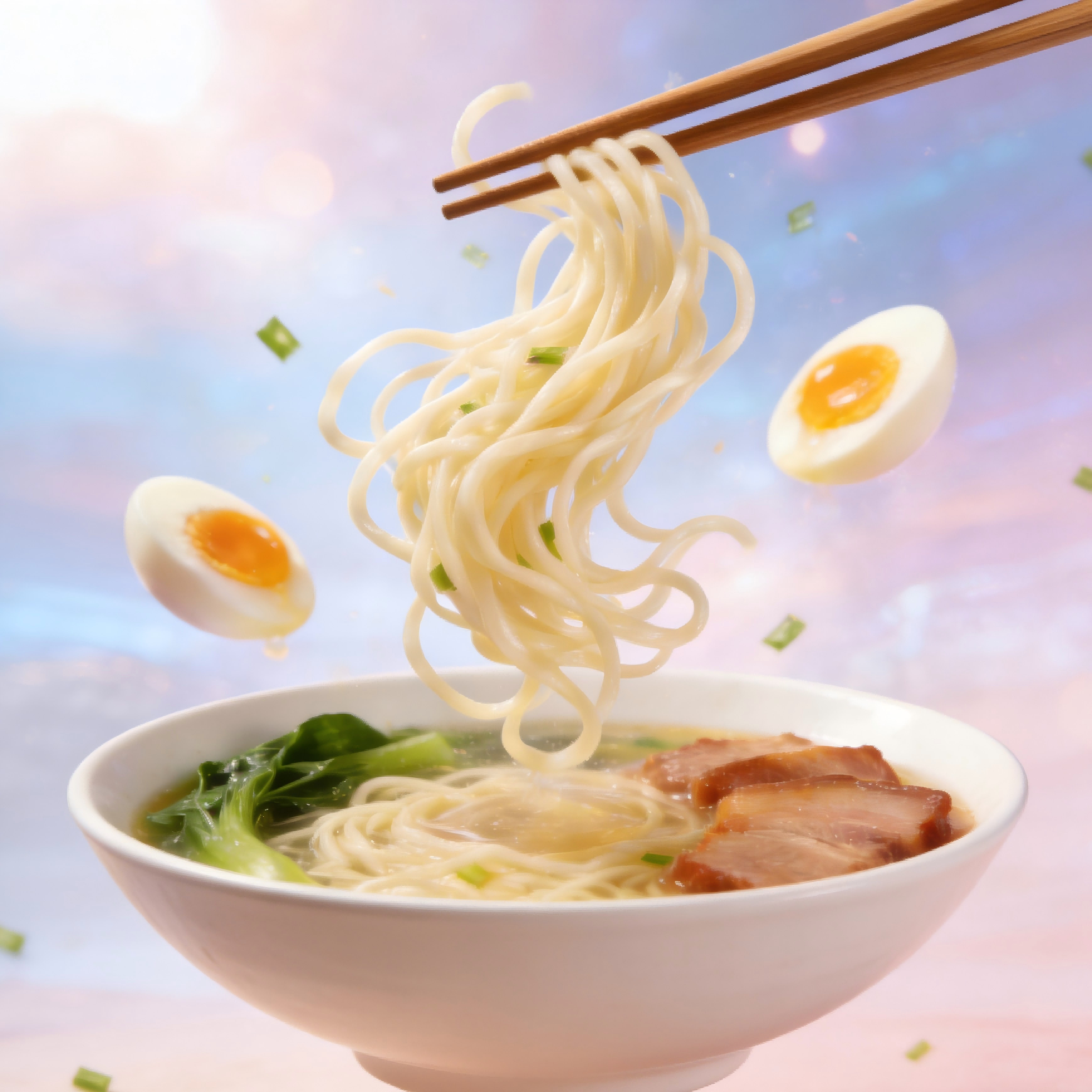
Handmade noodles play a vital role in delivering the authentic experience of oriental ramen. Unlike mass-produced noodles, handmade versions have a distinctive texture that allows them to soak up the broth effectively. Here’s why handmade noodles make a difference:
Texture – The slightly uneven surface allows better sauce and broth adhesion.
Freshness – Handmade dough often uses premium flour for a superior bite.
Elasticity – The careful kneading ensures chewy noodles with a springy texture.
A key characteristic of handmade noodles is their ability to retain a chewy consistency even when cooked for a long time. This chewiness enhances the flavor absorption of oriental noodles, creating a harmonious taste in every mouthful.
The unique appeal of oriental ramen noodles is closely tied to the presence of chewy noodles. Chewiness in noodles provides a satisfying mouthfeel that makes every bite more enjoyable. Some key features include:
Elasticity – A resilient texture that snaps back when bitten.
Flavor Absorption – Chewy noodles soak up seasoning efficiently.
Aromatic Enhancement – The structure holds both broth and aromatic oils perfectly.
For food enthusiasts, the combination of chewy noodles and rich broth defines the signature flavor of oriental ramen noodles.

| Flavor Type | Broth Base | Noodle Compatibility | Taste Profile |
|---|---|---|---|
| Soy Sauce | Light soy broth | Handmade noodles | Savory, slightly sweet |
| Miso | Fermented soybean paste | Chewy noodles | Nutty, umami-rich |
| Spicy | Chili and spice blend | Handmade noodles | Hot, aromatic, flavorful |
| Seafood | Fish or shrimp extract | Chewy noodles | Umami, light, aromatic |
This table highlights how different flavors pair with either handmade noodles or chewy noodles, emphasizing the versatility of oriental noodles.
To maximize the flavor experience of oriental ramen noodles, follow these tips:
Cook Handmade Noodles Properly – Boil until tender but still firm to retain the chewiness.
Use Fresh Ingredients – Adding vegetables, eggs, or proteins enhances the flavor.
Mix the Broth Thoroughly – Ensure the seasoning is evenly distributed across chewy noodles.
Experiment with Flavor Combinations – Some oriental ramen lovers mix soy sauce with miso for a richer taste experience.
By combining proper cooking techniques with quality handmade noodles, you can enjoy the authentic taste of oriental ramen noodles at home.
One of the reasons oriental noodles are so popular is their convenience. While handmade noodles may take slightly longer to prepare than instant versions, the flavor payoff is significant. Quick meals can be both tasty and satisfying when using high-quality chewy noodles.
Many culinary enthusiasts prefer preparing a simple broth while keeping handmade noodles as the star. The texture and flavor balance make it feel like a restaurant-quality meal in just a few minutes.
Choosing the right handmade noodles affects both texture and taste. Here are key points to consider:
Flour Quality – Premium wheat flour produces firm yet soft noodles.
Kneading Process – Proper kneading ensures chewy noodles that retain elasticity.
Freshness – Fresh handmade noodles have a stronger flavor absorption capability.
Selecting quality handmade noodles ensures that the oriental ramen flavor shines through with every bite, creating a satisfying culinary experience.
While many noodles are available in the market, liji noodles stand out for their focus on texture and flavor. Using traditional techniques combined with modern production methods, liji noodles deliver consistent chewy noodles that elevate any oriental ramen experience. Their handmade noodles retain the perfect bite while absorbing flavors fully, ensuring that each bowl is packed with authentic taste.
Whether it is soy, miso, or seafood-flavored broth, liji noodles are engineered to maintain their chewy texture and enhance the overall flavor profile of oriental ramen noodles.

A1: Oriental ramen noodles offer savory, umami-rich flavors with options like soy sauce, miso, spicy, and seafood. Handmade noodles and chewy noodles help absorb these flavors for a richer taste.
A2: Yes, chewy noodles maintain their structure, absorb broth efficiently, and enhance the overall flavor experience.
A3: Yes, but make sure not to overcook. Properly cooked handmade noodles retain their chewiness and absorb the broth flavors optimally.
A4: Handmade noodles from trusted sources like liji noodles are ideal due to their consistent texture and flavor absorption.
A5: Use fresh ingredients, experiment with flavor combinations, and ensure chewy noodles are cooked to perfection to fully enjoy the taste.
If you are looking for authentic oriental ramen noodles with perfect flavor, chewy texture, and premium handmade noodles, we highly recommend trying liji noodles for the ultimate taste experience.
Email: cocochen@gdlijifood.com
Phone: +86 13143141923


