
- All
- Product Name
- Product Keyword
- Product Model
- Product Summary
- Product Description
- Multi Field Search
Views: 0 Author: JoJo Publish Time: 2026-05-28 Origin: Site
If you have ever slurped a steaming bowl of ramen and wondered how those perfectly springy noodles are made, you are not alone. Thousands of people search for ramen noodles every day—some looking for recipes, others curious about what goes on inside a noodles factory. Whether you are a home cook, a restaurant owner, or simply a noodle enthusiast, understanding the journey of ramen noodles from raw wheat to finished product will change the way you appreciate every bowl.
Ramen noodles are a type of Japanese wheat noodle traditionally served in a rich, flavorful broth. While they are now enjoyed worldwide, their roots trace back to China before being adapted in Japan. Today, ramen noodles are a global comfort food, found everywhere from Michelin-starred restaurants to instant cups in college dorm rooms.
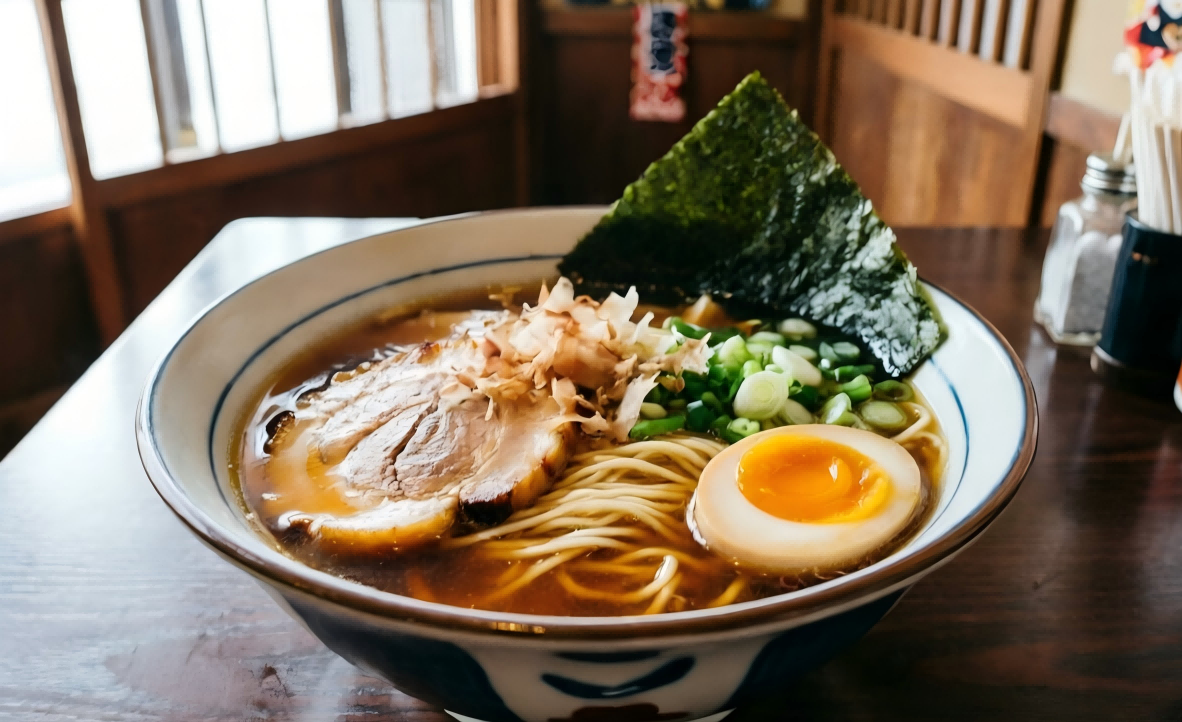
The history of ramen noodles is as rich as the broth they swim in. Chinese immigrants introduced wheat noodles to Japan in the late 19th century. Over time, Japanese chefs transformed these simple noodles into an art form, developing regional styles that are now celebrated across the globe. From the soy-based shoyu ramen of Tokyo to the milky tonkotsu broth of Fukuoka, ramen noodles have become a canvas for culinary creativity.
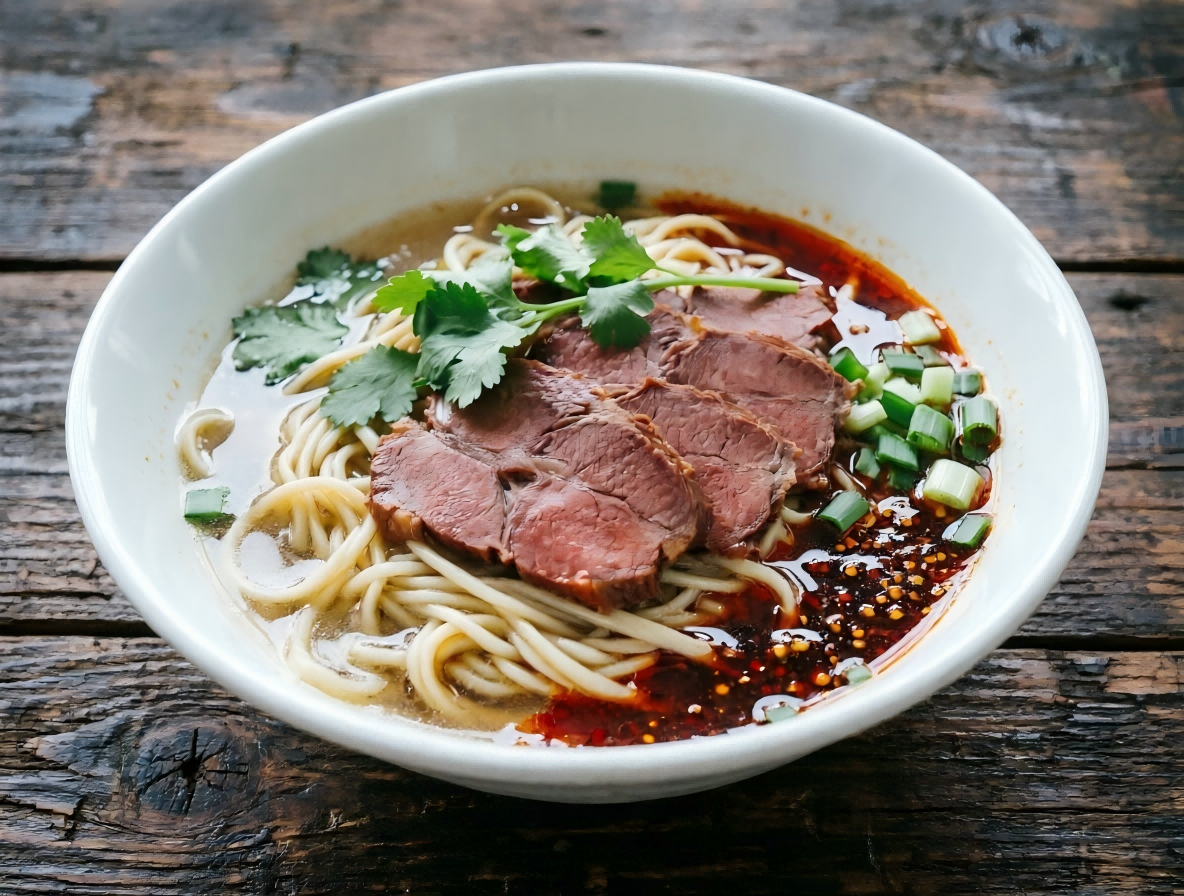
At their core, ramen noodles are made from just four basic ingredients: wheat flour, water, salt, and kansui. Kansui is a type of alkaline mineral water that gives ramen noodles their signature yellow hue, firm texture, and subtle earthy flavor. Some modern variations may also include eggs for extra richness or specialty flours for unique textures. The quality of these ingredients—especially the wheat and the water—plays a huge role in the final product. That is why a professional noodles factory invests heavily in sourcing premium raw materials.
The process of making ramen noodles in a modern noodles factory is a fascinating blend of tradition and technology. While artisan noodle makers still knead dough by hand in small shops, large-scale production relies on precision machinery to maintain consistency across millions of servings. Here is a step-by-step look at how ramen noodles are produced in a professional noodles factory.
The journey begins with high-protein wheat flour. Protein content matters because it determines how much gluten the dough will develop. More gluten means chewier, more elastic ramen noodles. A reputable noodles factory will test every batch of flour for protein levels, ash content, and moisture to ensure it meets strict quality standards.
Once the flour passes inspection, it is mixed with water, salt, and kansui. The ratio of liquid to flour is carefully controlled—too much water and the noodles become soft; too little and they turn brittle. Industrial mixers blend the ingredients into a coarse, crumbly dough, which is then kneaded under high pressure. This kneading process aligns the gluten strands and creates the elastic structure that gives ramen noodles their satisfying bite.
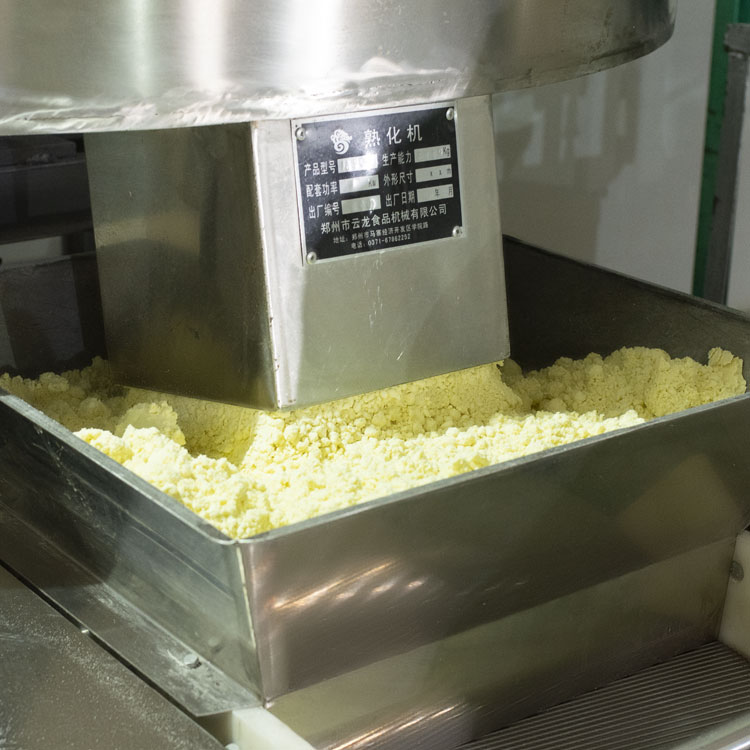
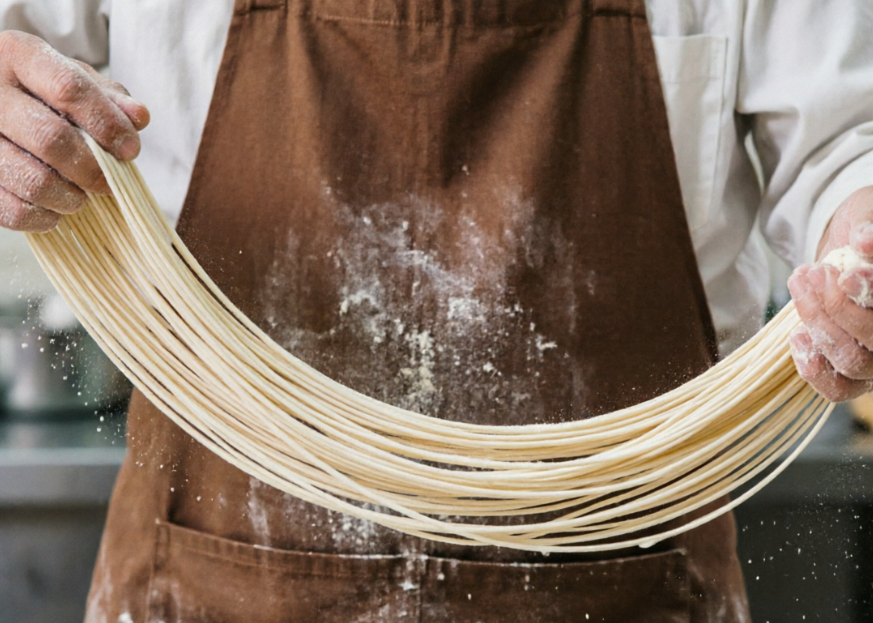
After kneading, the dough passes through a series of rollers that gradually flatten it into thin sheets. The thickness of these sheets determines the final noodle gauge—thin noodles for light broths, thick noodles for hearty, rich soups. Once the desired thickness is reached, the sheets are fed through cutting blades that slice them into precise strands. A high-end noodles factory can adjust blade spacing to produce everything from ultra-fine angel-hair ramen to thick, udon-like strands.
Fresh ramen noodles skip this step and go straight to packaging, but instant and dried varieties require further processing. Steaming partially cooks the noodles, gelatinizing the starches so they rehydrate quickly in hot water. After steaming, instant ramen noodles are flash-fried or air-dried to remove moisture and create their familiar curly shape. Air-dried noodles are generally considered healthier because they absorb less oil during production.
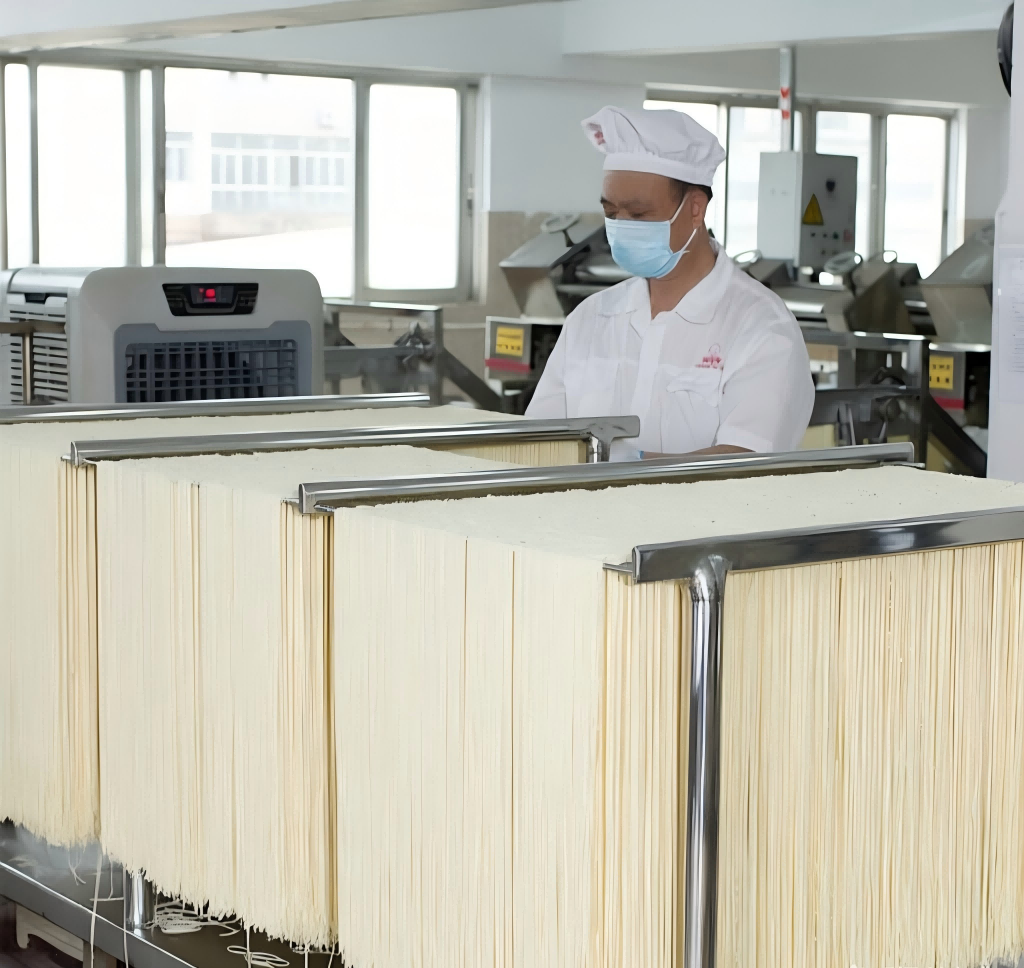
Before any package leaves the noodles factory, it undergoes rigorous quality control. Technicians check noodle weight, moisture levels, color, and texture. Random samples are cooked and tasted to ensure the flavor and mouthfeel meet the brand's standards. Only then are the ramen noodles sealed in airtight packaging—sometimes with nitrogen flushing—to preserve freshness during shipping.
Not all ramen noodles are created equal. The shape, thickness, and hydration level of the noodle are carefully chosen to match the broth and toppings. Understanding these differences will help you select the right noodle for your dish or business.
Straight ramen noodles are typically paired with rich, oily broths like tonkotsu. Their smooth surface allows the broth to slide off, preventing the soup from becoming too heavy. Wavy noodles, on the other hand, trap broth in their curls and are ideal for lighter, clearer soups like shoyu or shio. The waviness is created by cutting the dough with duller blades or by steaming and drying processes in the noodles factory.
Fresh ramen noodles have the best texture but the shortest shelf life, usually requiring refrigeration. Dried ramen noodles last longer and are perfect for pantry storage. Instant ramen noodles—whether fried or air-dried—offer unmatched convenience and are the backbone of the global noodles factory industry. Each type serves a different market, and many factories produce all three to meet diverse demand.
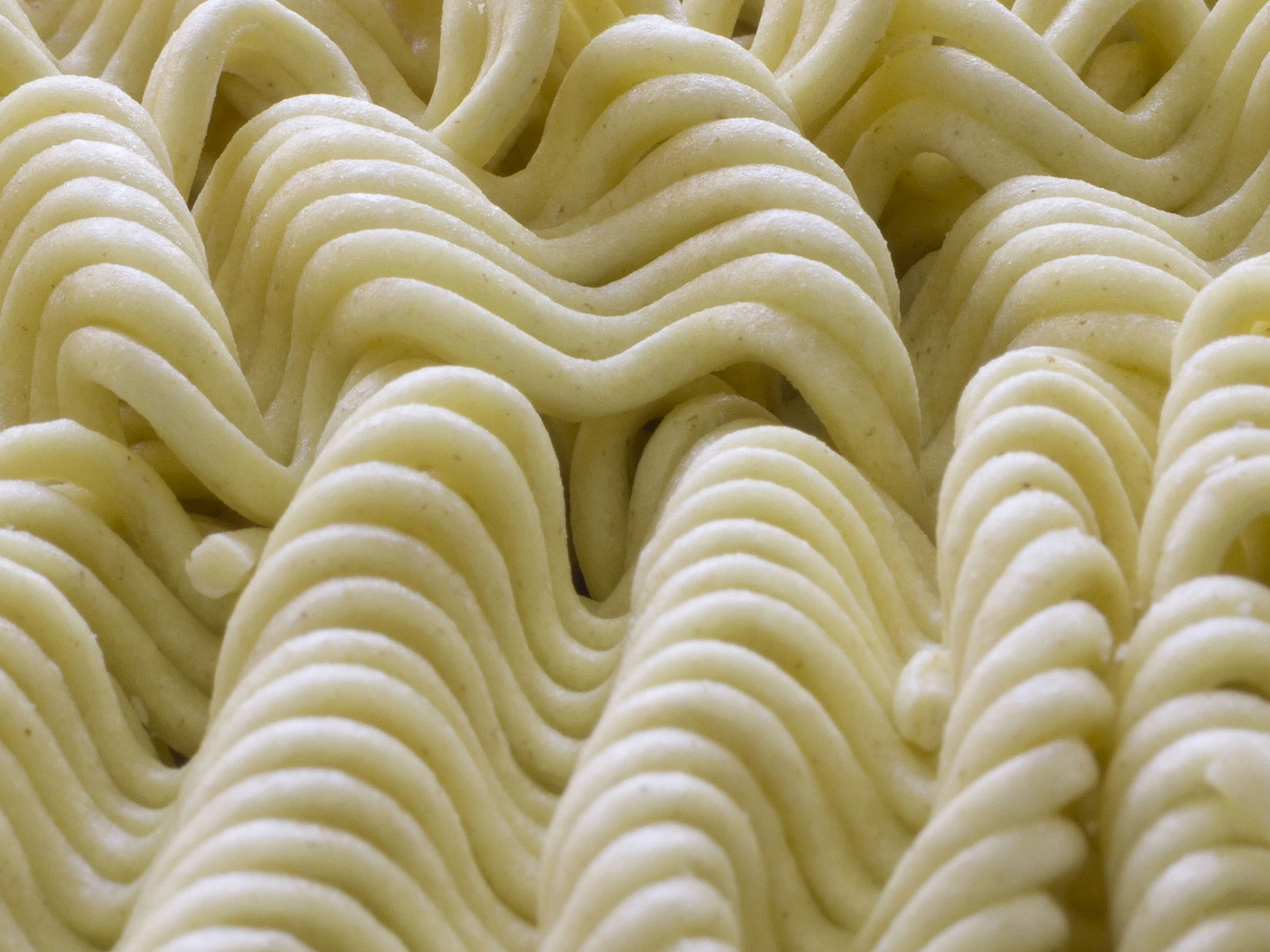
In Hokkaido, you will find thick, curly ramen noodles designed to hold up against the region's famous miso broth. In Hakata, ultra-thin straight noodles are served firm—customers can even request their preferred doneness, from extra soft to extra hard. These regional styles influence how a noodles factory designs its production lines, with some facilities specializing in a single style and others offering custom formulations for restaurant clients.
Premium ramen noodles stand out in three key areas: ingredient sourcing, production precision, and aging.
First, premium producers use high-grade wheat—often imported from specific regions known for their ideal growing conditions. Second, they control temperature and humidity throughout the mixing, rolling, and cutting phases. Even a few degrees of variation can alter the gluten structure and ruin the texture. Third, some artisanal and high-end noodles factory operations age their dough before cutting, allowing enzymes to break down starches and develop deeper flavor.
Finally, premium ramen noodles often avoid unnecessary additives. While mass-market instant noodles may contain preservatives and artificial colors, boutique factories focus on clean labels with just flour, water, salt, and kansui. The result is a noodle that tastes closer to what you would find in a traditional ramen-ya in Tokyo.
With so many options on the market, selecting the right ramen noodles can feel overwhelming. Here is a quick guide to help you make the best choice.
If you run a restaurant, consistency is everything. Partnering with a reliable noodles factory ensures that every serving of ramen meets your standards. Look for suppliers who offer customization—can they adjust thickness, curl level, or hydration to match your broth? Do they provide fresh, frozen, or dried options? Can they scale with your business as you grow? Request samples and cook them in your own kitchen before committing to a bulk order.
Home cooks should prioritize freshness and storage convenience. Fresh ramen noodles from an Asian grocery store will deliver restaurant-quality results, but high-quality dried or frozen options are excellent backups. Pay attention to the ingredient list: shorter is usually better. If you are feeling adventurous, you can even try making ramen noodles at home with a pasta roller and some kansui powder—though achieving the texture of a professional noodles factory takes practice.
Ramen noodles are made from wheat flour, water, salt, and kansui—an alkaline water that gives the noodles their characteristic yellow color and firm texture. Some variations also include eggs.
Fresh ramen noodles typically last one to two weeks in the refrigerator. For longer storage, you can freeze them for up to three months. Always check the packaging for specific expiration dates from the noodles factory.
Yes. Noodles factory production uses industrial mixers, precision rollers, and climate-controlled environments to achieve consistent texture and shape at scale. Homemade noodles can be delicious but are harder to replicate perfectly every time.
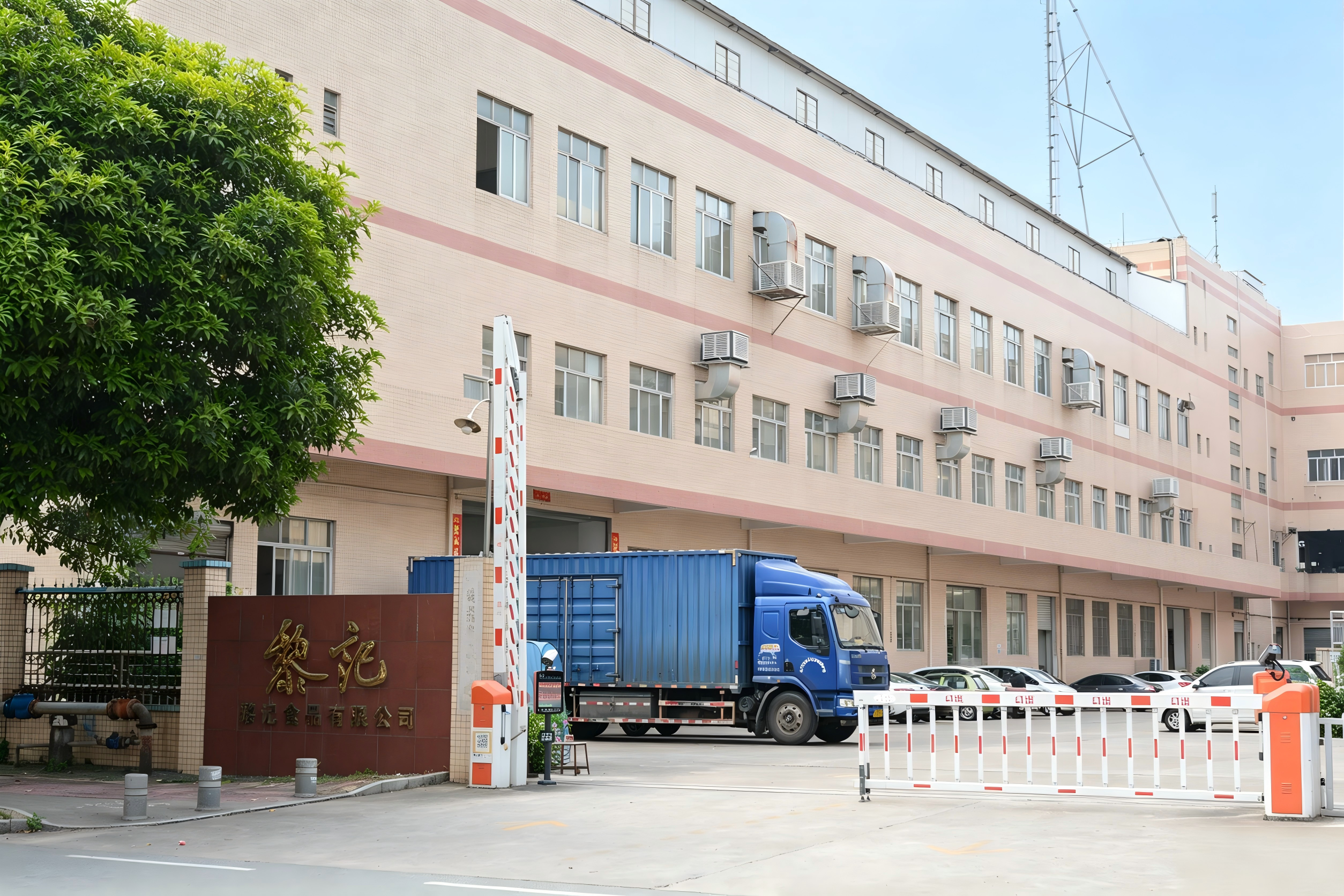
Some noodle factories offer tours. In Guangdong, China, LiJi is a professional noodle manufacturer that will give you a warm welcome.
reach out directly via:
Email: cocochen@gdlijifood.com
Phone: +86 13143141923
Ramen noodles are more than just a quick meal—they are the result of centuries of culinary evolution and modern manufacturing precision. From the careful selection of wheat in a noodles factory to the moment you lift a steaming bowl to your lips, every step in the process matters. Whether you are searching for the perfect noodle to complement your restaurant menu or simply want to understand what goes into your favorite comfort food, knowing how ramen noodles are made deepens your appreciation with every bite.
If you are looking for a reliable supply of high-quality ramen noodles, partnering with an experienced noodles factory is the best way to ensure consistency, flavor, and authenticity in every bowl you serve.


