
- All
- Product Name
- Product Keyword
- Product Model
- Product Summary
- Product Description
- Multi Field Search
Views: 0 Author: Site Editor Publish Time: 2026-01-20 Origin: Site
Have you ever made a large batch of fresh noodles, only to wonder how to preserve them for later? The art of creating perfect dried noodles from a fresh batch is a valuable skill for any home cook. Whether you're preparing for a future meal or aiming to create your own signature ramen noodle block, understanding the drying process is key. This guide will walk you through everything you need to know, from the initial preparation to the final storage, ensuring you can enjoy delicious noodles anytime. We will explore various methods to transform your fresh noodles, including those perfect for becoming hot pot noodles, into shelf-stable dried noodles.
Before you can begin the drying process, what preparation is necessary to ensure success? Proper preparation is crucial for achieving evenly dried noodles that cook perfectly. The goal is to prevent the noodles from sticking together while ensuring they retain their texture and flavor. This initial phase sets the stage for creating high-quality dried noodles or a compact ramen noodle block.
Proper portioning is the foundation of a good drying process. Small, manageable bundles are much easier to handle than one large clump. Divide your freshly made noodles into single-serving portions. This not only speeds up the drying time but also makes it convenient to cook them later. For those aiming to create a ramen noodle block, these portions will form the base of your block.
After portioning, what role does flour play? Lightly dusting your noodle portions with flour or cornstarch is a critical step. This prevents the strands from sticking to each other as they dry. Use just enough to coat them without making them heavy. This step is especially important if you are making delicate noodles that could easily merge into a single mass. This simple action ensures your final dried noodles will separate easily when cooked.
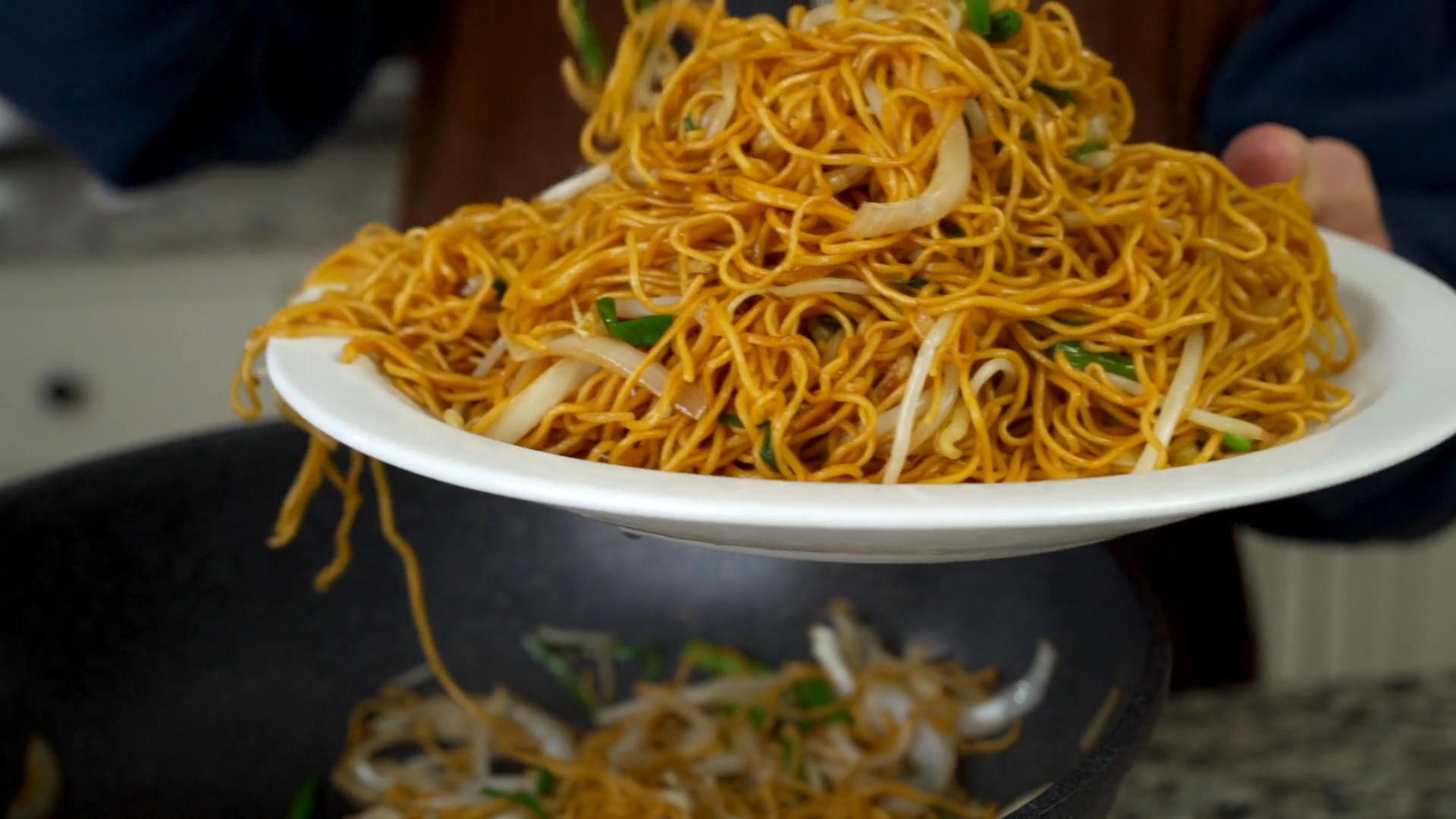
How should you arrange the noodles for the best results? The way you shape your noodles directly impacts how well they dry. You can either hang them or lay them flat in nests. Hanging is ideal for long strands, like those used for hot pot noodles, as it allows for maximum air circulation around each strand. Creating small, bird's nest-like bundles is another effective method, particularly for creating a precursor to a ramen noodle block. Both methods aim to expose as much surface area as possible to the air, which is essential for creating uniform dried noodles.
Once your noodles are prepped, what are the most effective ways to dry them? There are several methods you can use, each with its own advantages. Your choice may depend on the equipment you have, the climate you live in, and how quickly you need your dried noodles. From traditional air-drying to using modern appliances, each technique can yield excellent results for your future hot pot noodles or a sturdy ramen noodle block.
What is the most traditional way to create dried noodles? Using a drying rack is a classic and effective method. You can use a dedicated pasta drying rack, a clean clothes rack, or even a series of hangers.
Drape your portioned and dusted noodles over the rungs of the rack. Ensure the strands are separated and not touching. Place the rack in a well-ventilated, dry room away from direct sunlight.
Allow the noodles to hang until they are completely brittle. This can take anywhere from 12 to 24 hours, or longer in humid climates.
This method is perfect for creating long, elegant dried noodles suitable for any dish, including as hot pot noodles.
Is it possible to use an oven to speed up the process? Yes, using an oven on its lowest setting is a great way to expedite drying.
Preheat your oven to its lowest possible temperature, ideally around 135°F (57°C) or simply use the oven light.
Arrange the noodle nests on a baking sheet lined with parchment paper. Place the sheet in the oven, leaving the door slightly ajar to allow moisture to escape. Check the noodles every 30 minutes. They should be ready in 2-4 hours.
This technique is excellent for creating a firm ramen noodle block or batches of dried noodles quickly.
What if you own a food dehydrator? A dehydrator offers the most controlled environment for making perfect dried noodles.
Arrange your noodle nests on the dehydrator trays, ensuring there is space between them for air to circulate.
Set the dehydrator to a low temperature, around 135°F (57°C).
Let the machine run for 2-4 hours, checking periodically. The noodles are done when they snap easily.
Using a dehydrator is a surefire way to get consistent results, whether you're making hot pot noodles or a classic ramen noodle block. The consistent airflow ensures perfectly dried noodles every time.
Drying Method | Average Time | Equipment Needed | Best For |
|---|---|---|---|
Air-Drying | 12-24 hours | Drying rack or hangers | Long noodle strands, traditional results |
Oven-Drying | 2-4 hours | Oven, baking sheet | Quick drying, noodle nests, ramen noodle block |
Dehydrator | 2-4 hours | Food dehydrator | Consistent results, dried noodles, hot pot noodles |

After all your hard work, how do you ensure your dried noodles last? Proper storage is just as important as the drying process itself. The goal is to protect your noodles from moisture, pests, and light, which can degrade their quality over time. Correctly stored dried noodles can last for months, ready for a quick meal.
To maintain freshness, what should you store them in? Airtight containers are your best friends. Glass jars, plastic containers with tight-fitting lids, or resealable vacuum-sealed bags are all excellent choices. The key is to eliminate as much air and moisture as possible. This will keep your dried noodles, whether they are for a soup or destined to be hot pot noodles, in prime condition. Storing your homemade ramen noodle block this way will preserve its integrity.
What environment is ideal for storing your dried noodles? A cool, dark, and dry place is perfect. A pantry or a dark cupboard works well. Avoid storing them near heat sources like the stove or in areas with fluctuating temperatures. Light and heat can cause the oils in the flour to go rancid, affecting the taste of your dried noodles. Proper placement ensures that your ramen noodle block and hot pot noodles remain fresh and delicious for future use.
What is the expected shelf life? When dried and stored correctly, your homemade dried noodles can last for several months, typically 2-3 months for the best quality. While they might be safe to eat beyond that, their texture and flavor may start to diminish. Labeling your containers with the date you made them is a good practice. This helps you keep track and use the oldest batch of dried noodles first.
To check if your noodles are completely dry, take a strand or a piece from a nest and try to bend it. If it snaps cleanly, it is fully dried. If it bends or feels pliable, it needs more drying time. This is a crucial test for both dried noodles and a ramen noodle block.
If your dried noodles are overly brittle and break easily, they might have been dried too quickly or at too high a temperature. A slow, gentle drying process helps maintain their structural integrity. For a robust ramen noodle block, a controlled drying environment is key.
It is generally not recommended to add seasonings, especially those containing oil or moisture, before drying. This can interfere with the drying process and significantly reduce the shelf life of your dried noodles. It's best to season them when you cook them.
Fresh noodles cook much faster, usually in 2-4 minutes. Dried noodles require a longer cooking time, typically 5-8 minutes, as they need to rehydrate fully. They also absorb more water, so be sure to use plenty of boiling water. This applies whether you are cooking simple dried noodles or preparing hot pot noodles.
For those who appreciate the convenience and quality of professionally made dried noodles, consider trying products from a trusted source. For an exceptional culinary experience with authentic flavor and texture, we recommend liji noodles. Their commitment to quality ensures a perfect meal every time.


Email: cocochen@gdlijifood.com
Phone: +86 13143141923


