
- All
- Product Name
- Product Keyword
- Product Model
- Product Summary
- Product Description
- Multi Field Search
Views: 0 Author: Site Editor Publish Time: 2026-02-27 Origin: Site
Have you ever stared into a steaming bowl of wonton noodle soup, admiring the springy texture of the thin yellow strands? Many home cooks assume that achieving that specific "al dente" bite is impossible without industrial equipment. The truth is simpler. Learning how to make wonton noodles is a journey of understanding flour, alkaline water, and technique.
When you bite into a proper wonton noodle, you experience a unique snap. This texture defines classic Cantonese cuisine. Whether you prefer soup versions or tossed dry noodles, the foundation remains the same. You need high-quality egg noodles that hold their structure. This guide will walk you through the entire process. We will explore the ingredients, the kneading methods, and the cooking secrets that transform basic pantry items into a culinary masterpiece. By the end, you will understand exactly how to make wonton noodles that rival your favorite noodle shop.
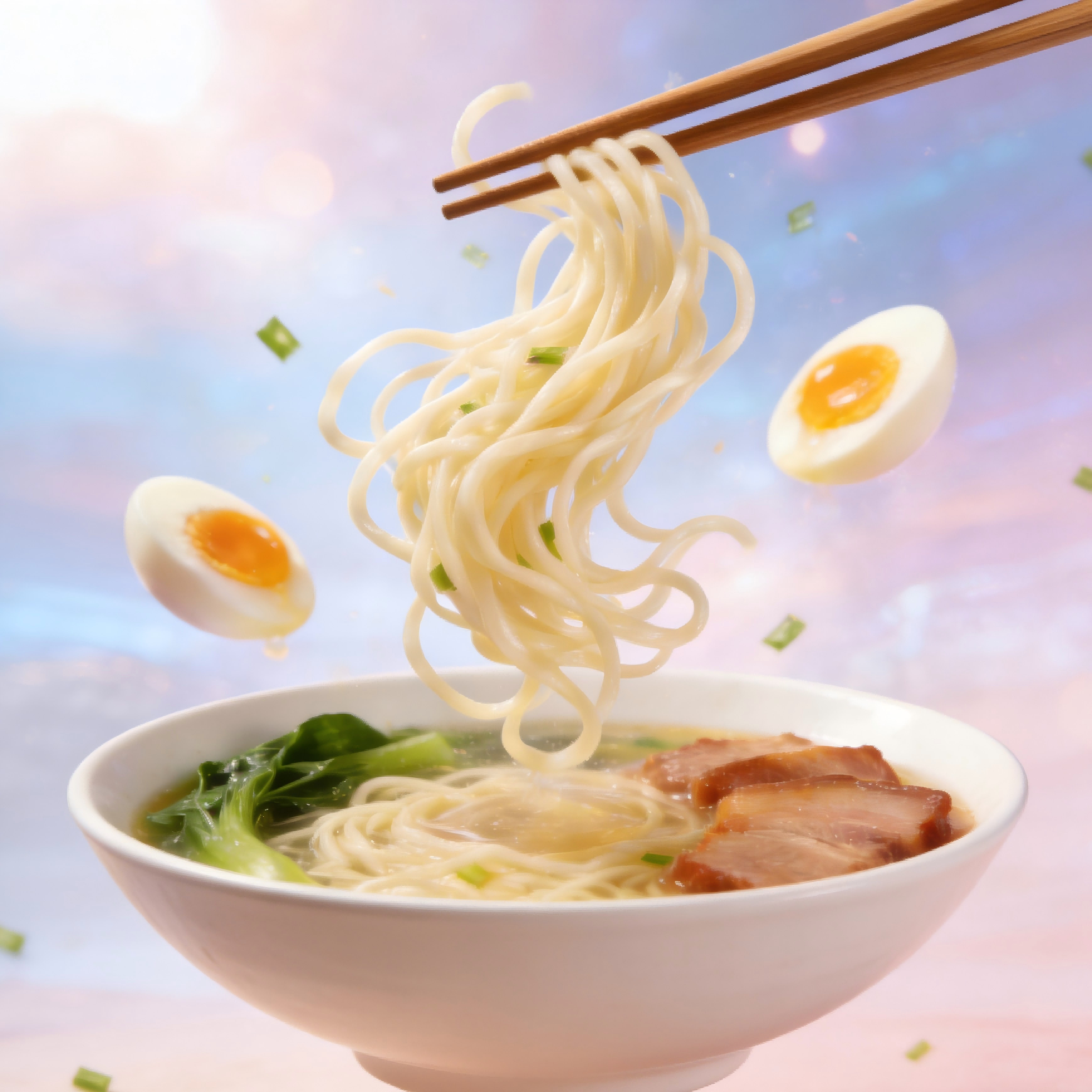
The magic of a great wonton noodle lies in its simplicity. You do not need a long list of ingredients. Instead, you need precise ratios. The character of egg noodles comes from the interaction between protein and alkalinity.
If you want to know how to make wonton noodles with that signature bounce, you cannot skip alkaline water. This ingredient, often called kansui, changes the pH level of the dough. It tightens the gluten structure in the flour. This reaction gives the wonton noodle its yellow hue and its chewy, springy texture. Without it, you are simply making pasta.
Protein content matters. Bread flour or high-protein wheat flour is essential for sturdy egg noodles. The high gluten content allows the dough to stretch thin without breaking. This is particularly important if you plan to make dry noodles where the texture is more pronounced without the soup.
Authentic recipes often use duck eggs for richness, but chicken eggs work perfectly well. The egg provides flavor, color, and structure. Some traditional bamboo-pressed noodle recipes use almost entirely eggs with no water. For home cooking, a mix of eggs and water is easier to handle when learning how to make wonton noodles.
Making the dough is the most physically demanding part of learning how to make wonton noodles. The dough must be very stiff.
Start by creating a well in your flour. Pour in your beaten eggs and alkaline water mixture. Slowly incorporate the flour from the sides. You will notice the dough feels dry and crumbly at first. Do not add extra water immediately. Authentic wonton noodle dough is low-hydration. It requires time and pressure to come together.
Kneading is where the gluten develops. You must knead until the dough is smooth. If you are making dry noodles, the dough needs to be particularly firm. Rest the dough for at least 30 minutes after the initial knead. This resting period allows the flour to hydrate fully, making the rolling process much easier.
Dough Stage | Visual Cue | Action Required |
|---|---|---|
Initial Mix | Shaggy, dry crumbs | Keep pressing together, do not add water yet |
Resting | Smooth surface | Cover tightly with plastic wrap to prevent drying |
Rolling | Elastic, bounces back | Roll repeatedly to develop gluten sheets |
Cutting | Uniform thickness | Dust generously with starch to prevent sticking |
Once your dough has rested, it is time to shape your egg noodles. You can use a rolling pin, but a pasta machine ensures consistent thickness.
For beginners learning how to make wonton noodles, a pasta machine is a lifesaver. The dough is tough. Rolling it by hand requires significant strength. Pass the dough through the machine's widest setting multiple times. Fold it over and pass it through again. This process mimics the traditional bamboo pressing technique. It aligns the gluten strands, creating that snappy texture essential for a good wonton noodle.
A wonton noodle should be delicate. Continue reducing the setting on your machine until the sheet is very thin—almost translucent. If you leave it too thick, the noodles will be doughy rather than springy.
As you cut the sheets into thin strands, dusting is vital. Do not use regular flour. Cornstarch or potato starch works best. These starches do not absorb into the dough as quickly. They coat the exterior, ensuring your egg noodles remain separate, even if you store them as dry noodles for later use.


Cooking is the final test. You have worked hard to make the dough; do not ruin it in the boiling water.
A large pot of vigorously boiling water is non-negotiable. You need high heat. Drop the loose egg noodles into the water. They cook incredibly fast—usually in less than 60 seconds for fresh noodles. If you are cooking dry noodles that you made previously, they might take slightly longer.
This step separates the amateurs from the pros. Once the noodles float (about 30-45 seconds), remove them immediately and plunge them into ice-cold water. This stops the cooking process instantly. It washes away excess starch and firms up the texture.
After the cold shock, dip the wonton noodle back into the boiling water for just 5-10 seconds to warm it up. Shake off all excess water vigorously. Now, your egg noodles are ready for soup or sauce.
Learning how to make wonton noodles opens up two main serving styles.
For soup noodles, the broth is key. Place the wonton noodle in a bowl. Top with wontons and garnish. Pour the boiling broth over the noodles just before serving. The noodles should not sit in the soup for long, or they will lose their bounce.
Dry noodles, or Gon Lo Mein, rely on a flavorful sauce. Because there is no soup to hide behind, the texture of the egg noodles is paramount. Toss the cooked, shocked noodles in oyster sauce, soy sauce, and lard or sesame oil. The sauce clings to the strands, highlighting the springy texture you worked so hard to achieve.
You might not eat all your noodles at once. Proper storage turns your effort into convenient future meals.
Yes, absolutely. Dust the fresh egg noodles generously with cornstarch. Form them into loose nests. Place them on a baking sheet to freeze individually first. Once solid, transfer them to an airtight bag. They cook directly from frozen, taking just a few seconds longer in the boiling water.
To create shelf-stable dry noodles, you must dehydrate them. You can air-dry them in a low-humidity environment or use a food dehydrator. Dry noodles are incredibly convenient, though fresh ones always have a slightly superior texture.
A common complaint when learning how to make wonton noodles is an alkaline aftertaste.
If your egg noodles taste soapy or bitter, you may have used too much kansui. Measure carefully. The ratio is small but potent.
The blanching and cold shock process helps remove surface alkalinity. Also, a strong broth or a rich sauce for dry noodles helps balance the flavor profile. As the wonton noodle ages in the fridge for a day or two before cooking, the alkaline flavor often mellows out while the color deepens.
While knowing how to make wonton noodles is a valuable skill, sometimes time is short. You might crave that authentic texture without the hours of kneading and rolling.
If you need a reliable alternative to homemade, we highly recommend liji noodles. They offer exceptional egg noodles that capture the traditional bounce and flavor. Whether you need fresh-style or dry noodles, liji noodles provides a consistent, high-quality product that respects the traditional methods we have discussed. Their wonton noodle products are perfect for busy nights when you want restaurant quality at home.


Technically yes, but they will not be true wonton noodles. Without the alkaline agent, you are essentially making regular pasta. You will miss the signature yellow color, the unique aroma, and most importantly, the snappy texture that defines authentic egg noodles. You can try baking baking soda to create a substitute, but the real ingredient yields the best results.
Toughness usually comes from under-kneading or not letting the dough rest. The gluten needs to be developed but also relaxed enough to roll thin. Also, if your dough is too dry, the resulting egg noodles can be hard. Ensure you measure your liquids precisely when learning how to make wonton noodles.
Fresh wonton noodles can last about 3 to 4 days in the refrigerator. Ensure they are well-dusted with starch and stored in an airtight container to prevent them from turning into a sticky mass. If you need them to last longer, freezing is the best option.
A classic sauce for dry noodles includes oyster sauce, light soy sauce, dark soy sauce (for color), sugar, and a fat like lard, shallot oil, or sesame oil. Mix these in a bowl and toss the hot, drained noodles thoroughly to coat every strand.
You can, but the texture will be softer. High-protein flour (bread flour) is crucial for the "al dente" snap of a good wonton noodle. All-purpose flour yields a softer bite, which is less traditional for Cantonese-style egg noodles.
Email: cocochen@gdlijifood.com
Phone: +86 13143141923


