
- All
- Product Name
- Product Keyword
- Product Model
- Product Summary
- Product Description
- Multi Field Search
Views: 0 Author: Site Editor Publish Time: 2026-07-18 Origin: Site
Egg noodles have fed families across continents for centuries. Rich in flavor, satisfying in texture, and endlessly adaptable, they show up in everything from a steaming bowl of Chinese lo mein to a creamy European stroganoff. Their dense, chewy bite holds up beautifully in broths, absorbs sauces like few other noodles can, and crisps up wonderfully when pan-fried.
For food businesses, restaurants, and distributors, the appeal goes beyond the plate. Egg noodles are one of the most commercially viable staple foods on the market—shelf-stable, globally recognized, and in consistent demand. Sourcing them from the right noodles manufacturer, through the right factory wholesale channel, or under a custom OEM noodles arrangement can define the quality and profitability of an entire product line.
This article covers three things: the dishes egg noodles make possible, the sourcing options available to businesses, and the key factors to consider when choosing a supplier. Whether you run a restaurant group or a retail brand, there's something here for you.
Egg noodles earn their place in professional kitchens because of one key quality—versatility. The same noodle that works in a slow-simmered soup can be tossed in a wok over high heat, chilled in a sesame dressing, or layered into a baked casserole.
Here's a breakdown of the most popular dish categories:
Dish Type | Examples | Best Noodle Format |
|---|---|---|
Soups & Broths | Wonton noodle soup, chicken noodle soup, beef brisket noodles | Thin or medium egg noodles |
Stir-Fries | Lo mein, pad see ew, Singapore noodles | Medium or thick egg noodles |
Cold Noodle Dishes | Sesame noodles, cold noodle salad | Thin egg noodles |
Braised Dishes | Red-braised pork noodles, beef tendon noodles | Thick egg noodles |
Baked / Casseroles | Egg noodle casserole, kugel | Medium egg noodles |
Pan-Fried | Crispy pan-fried noodles (两面黄) | Fresh or dried thin noodles |
The elasticity and chew of egg noodles—qualities that come directly from the egg content in the dough—make them better at holding shape under heat than plain wheat noodles. A quality noodles manufacturer controls the egg ratio precisely to achieve consistent texture across every batch.
Jiangmen Liji Food Co., Ltd. (lijinoodles.com), for example, produces egg noodles described for their elasticity and toughness, suitable for use with marinades, soups, and stir-fried preparations alike.
A noodles manufacturer does far more than mix flour and eggs. The production process—dough hydration, kneading time, extrusion pressure, drying temperature—directly determines the texture, shelf life, and cooking performance of the final product. Small variations in any of these steps produce noticeably different results in the bowl.
For businesses that need consistency across large volumes, working directly with a certified manufacturer is the most reliable path. Liji Food, based in Jiangmen City, Guangdong Province, operates a facility covering more than 10,000 square meters with over 100 staff across production, research and development, and sales. Their technical team implements quality control throughout the full production and inspection process, with legal test reports backing each product batch.
When evaluating a noodles manufacturer, the following criteria matter most:
Production capacity: Can the facility meet your volume requirements during peak seasons?
Quality certifications: Are products backed by internationally recognized health and safety test reports?
Technical capabilities: Does the team have the R&D capacity to adjust formulations on request?
Packaging options: Bag, box, carton, and individual pack formats serve different retail and foodservice needs.
Liji Food supports all four packaging formats—bag pack, box pack, carton pack, and individual pack noodles—making them a practical partner for brands with diverse distribution channels.
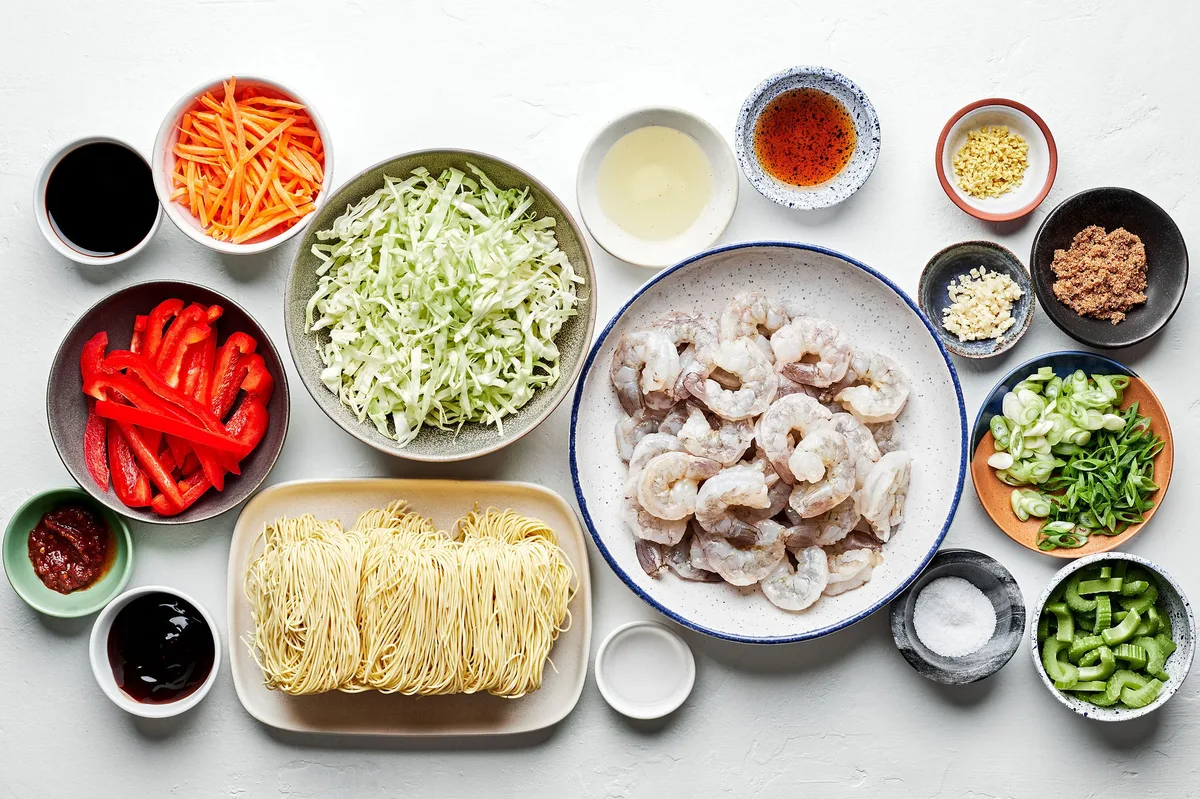
Buying direct from a noodles factory wholesale program eliminates the margin layers that accumulate through brokers and middlemen. For distributors, restaurant chains, and private-label retailers, factory wholesale pricing can represent a significant reduction in per-unit cost—without any compromise in quality.
Liji Food operates more than 10 precision production lines, a setup that makes large-volume orders operationally straightforward. Greater production throughput typically translates directly into more competitive pricing for wholesale buyers.
Before committing to a factory wholesale arrangement, buyers should clarify:
Minimum order quantities (MOQs): Factories set MOQs based on production line efficiency.
Lead times: Especially relevant for imported goods subject to customs and shipping timelines.
Packaging customization: Can the factory accommodate your preferred pack sizes or labeling requirements?
Sampling process: Reputable factories will provide product samples before large orders are confirmed.
Liji Food accepts inquiries directly via WhatsApp (+86 13143141923) or email (cocochen@gdlijifood.com), and provides a downloadable product catalog through their website at lijinoodles.com.
OEM (Original Equipment Manufacturer) noodles services allow a brand to sell noodles under its own label, produced entirely by a third-party factory. The factory handles raw materials, production, and packaging—the brand handles marketing, sales, and distribution.
This model suits businesses that want to enter the noodle market quickly, without constructing or operating their own facility. It also suits established food brands expanding their product range.
An OEM arrangement with a capable noodles manufacturer offers several concrete advantages:
Speed to market: Production begins on existing, validated equipment rather than newly built lines.
Consistent quality: Factories like Liji Food bring years of formulation experience, reducing trial-and-error.
Custom formulation: Buyers can request adjustments to egg content, noodle thickness, seasoning blends, or packaging.
Scalable volume: Start at manageable quantities and scale as your brand grows.
Liji Food's technical team is available to design products according to customer specifications—a key feature for OEM clients with distinct product briefs.
To put egg noodles' versatility into practical context, here are six globally beloved dishes built around them:
1. Wonton Noodle Soup (Hong Kong) — Thin egg noodles served in a clear, deeply flavored pork-and-shrimp broth with plump wontons. The noodles are deliberately springy and served slightly al dente.
2. Lo Mein (China/USA) — Boiled egg noodles tossed in a savory sauce with vegetables and protein. The noodle's density lets it carry bold sauces without turning mushy.
3. Beef Stroganoff (Russia/Europe) — Egg noodles serve as the base for a creamy beef and mushroom sauce. Their richness complements the sauce's body.
4. Crispy Pan-Fried Noodles (China) — A Cantonese technique where parboiled egg noodles are pressed flat and pan-fried until two sides are golden and crisp, then topped with a sauce.
5. Sesame Cold Noodles (China/Japan) — Chilled egg noodles dressed with sesame paste, soy, vinegar, and chili oil. Thin noodles absorb the dressing evenly without clumping.
6. Singapore Noodles (Global Chinese cuisine) — Thin rice or egg noodles stir-fried with curry powder, shrimp, and char siu pork—a dish that demonstrates how egg noodles take on spice blends without losing their structure.
Egg noodles remain one of the most commercially and culinarily significant noodle types in the world. Their texture, shelf stability, and compatibility with a vast range of cooking techniques keep them in demand across foodservice, retail, and export markets alike.
For businesses at any stage of the supply chain—whether sourcing finished product, building a private label, or exploring OEM noodles partnerships—working with a qualified noodles manufacturer is the clearest path to consistent quality at scale. Liji Food's facility in Jiangmen, Guangdong combines production capacity, R&D capability, and flexible packaging formats to serve a wide range of buyer requirements.
To summarize: egg noodles can anchor dozens of dishes across multiple global cuisines; factory wholesale sourcing reduces per-unit costs for volume buyers; and OEM noodles programs offer a practical route for brands looking to enter or expand in the noodle category. Buyers interested in any of these arrangements can contact Jiangmen Liji Food Co., Ltd. directly at lijinoodles.com or reach the team at cocochen@gdlijifood.com.
Yes. Egg noodles perform well in both applications. Their higher egg content gives them a dense, chewy structure that holds up in broth without disintegrating, and withstands the high heat of a stir-fry without turning mushy. The ideal noodle thickness varies by dish—thin for soups, medium to thick for stir-fries.
Factory wholesale noodles are sold under the manufacturer's existing brand or as unbranded bulk product. OEM noodles are produced to a buyer's specifications and sold under the buyer's own label. OEM arrangements typically involve custom formulation, packaging design, and branding, while wholesale orders use standard production runs.
Key criteria include production capacity, quality certifications backed by verifiable test reports, technical R&D capability, packaging flexibility, and a transparent sampling process. Manufacturers that operate multiple production lines—like Liji Food, which runs more than 10 precision lines—are generally better positioned to handle large or varied orders reliably.
Yes, in most cases. Manufacturers offering OEM noodles services can modify egg content, noodle thickness, drying method, and seasoning blends based on buyer requirements. Liji Food's technical team specifically offers product design services tailored to customer specifications.
Dried egg noodles are shelf-stable and well-suited for international distribution. Proper drying and sealed packaging protect product quality during transit. Buyers should confirm that the manufacturer's products are backed by international health and safety compliance documentation before placing export orders.
TL;DR: Egg noodles are among the most versatile ingredients in the world, suitable for soups, stir-fries, cold salads, and braised dishes. Businesses sourcing egg noodles at scale can work with a certified noodles manufacturer, order through factory wholesale programs, or use OEM noodles services to create custom-branded products.


