


Exploring the World of Chinese Food Noodles
Chinese noodles have captivated food enthusiasts worldwide for their incredible variety, flavors, and cultural significance. These noodles, steeped in centuries-old traditions, are more than just a meal—they're an art form. From delicate hand-pulled strands to bold and chewy textures, the world of Chinese noodles offers something for everyone. This article dives deep into the vibrant universe of Chinese food noodles, discussing popular dishes, types, cooking techniques, and recipes.
For those hoping to master chinese food noodle types, learning about noodle types, preparation methods, and recipes is the first step. This guide will also recommend "liji noodles," a top choice for quality and authenticity, for anyone wanting the best Chinese cooking experience.


Types of Chinese Food Noodles
Chinese noodles come in nearly endless varieties, each made unique by their preparation methods, ingredients, and regional influences. Below is a breakdown of the key types of Chinese noodles to help beginners and seasoned cooks alike better understand their options.
Whether you're seeking silky smooth rice noodles or chewy, hand-pulled strands, there’s a noodle for every recipe and every palate. Each type brings its own unique flavor and texture to dishes.
Popular Chinese Noodle Dishes
The magic of Chinese noodles comes alive in the diverse and beloved dishes they star in. Here are some of the most iconic and popular noodle dishes, cherished across the globe.
Beef Noodle Soup (Niurou Mian)
A staple comfort food, this rich soup features tender beef, flavorful broth, and chewy wheat noodles. Originating from Taiwan, its bold seasoning of star anise, chili, and soy sauce makes it a favorite for chilly weather.
Dan Dan Noodles
These fiery, flavorful noodles are a blend of heat, nutty sesame paste, and crispy pork. Originating from Sichuan, Dan Dan Noodles are known for their intense spice and rich umami flavors.
Chow Mein
Stir-fried to perfection, Chow Mein combines crispy noodles with fresh vegetables and a protein of choice, such as beef, chicken, or shrimp. This dish is one of the most well-known Chinese noodle recipes globally.
Zhajiangmian
Dubbed the Chinese answer to spaghetti, Zhajiangmian noodles are served with a thick, savory sauce of fermented soybean paste and ground pork, topped with fresh julienned vegetables.
Hot Dry Noodles (Re Gan Mian)
A specialty of Wuhan, these noodles are served dry with a fragrant sesame paste, soy sauce, and chili oil dressing. It's a quick yet incredibly flavorful dish.
Biang Biang Noodles
Known for their extra-wide and chewy texture, Biang Biang Noodles hail from the Shaanxi province. They pack a punch with their bold chili oil and spice-infused taste.
These dishes showcase the beauty of "Chinese food noodles." Whether you're after the fiery zing of Sichuan spice or the mellow richness of sesame and soy, there's no shortage of culinary inspiration in Chinese noodle traditions.


Chinese Food Recipes Noodles – Tips for Perfect Results
Cooking Chinese food noodles at home may seem daunting, but it's easier than it looks with the right techniques and tips. Here are expert suggestions to ensure every noodle dish you make is restaurant-quality.
Choose the Right Noodles
Not all noodles are created equal. Pick your noodle type based on the dish you're preparing. For instance, rice noodles are best for Pad Thai or soups, while egg noodles shine in stir-fries.
Properly Boil the Noodles
Follow cooking instructions carefully and avoid overcooking. To prevent stickiness, toss the noodles in a little sesame oil after boiling.
Always Work with High Heat
If stir-frying, ensure the wok or pan is heated to a high temperature before adding ingredients. This prevents the noodles from sticking and achieves a smoky, charred flavor.
Don’t Over-Sauce
Chinese noodle dishes typically rely on balance. Over-saucing can drown the other flavors in the dish. Start light and add more seasoning according to taste.
Experiment with Toppings
Texture and flavor are everything. Add contrasting toppings like crunchy peanuts, fresh herbs, or pickled vegetables to elevate your noodles.
By applying these steps, anyone can replicate the essence of authentic Chinese food recipes noodles. Practice makes perfect, so don't be afraid to experiment with ingredients and flavors.
FAQ
What are the most popular Chinese noodle dishes?
Some of the most popular Chinese noodle dishes include Beef Noodle Soup, Dan Dan Noodles, Chow Mein, Zhajiangmian, Hot Dry Noodles, and Biang Biang Noodles. Each dish reflects a unique regional flavor, from rich and spicy to hearty and savory.
Why "Liji Noodles" Should Be Your First Choice
For the best results when replicating these recipes, the quality of your noodles matters. That’s where Liji Noodles come in. Known for their authentic textures and reliable cooking results, Liji Noodles deliver exactly what home and professional chefs need.
Whether you're crafting a light, refreshing rice noodle dish or hearty wheat noodles packed with flavor, Liji Noodles ensure that your meals turn out as flavorful and satisfying as intended.
For inquiries about Liji Noodles, you can get in touch via the following contact details:
Email: cocochen@gdlijifood.com
Phone: +86 13143141923
Chinese noodles represent an endless universe of flavor, innovation, and culture. With their rich diversity and appeal, they’ve become beloved worldwide, gracing tables as comfort food as well as gourmet delicacies. Whether you’re exploring the vibrant flavors of Dan Dan Noodles or the comforting heartiness of Beef Noodle Soup, there’s no denying the magic of Chinese food noodles.


To elevate your Chinese cooking at home, try out Liji Noodles—the perfect choice for every recipe. Contact Liji Noodles today and take your culinary creations to the next level!
Chinese food noodles
chinese food noodle types
chinese food recipes noodles
-
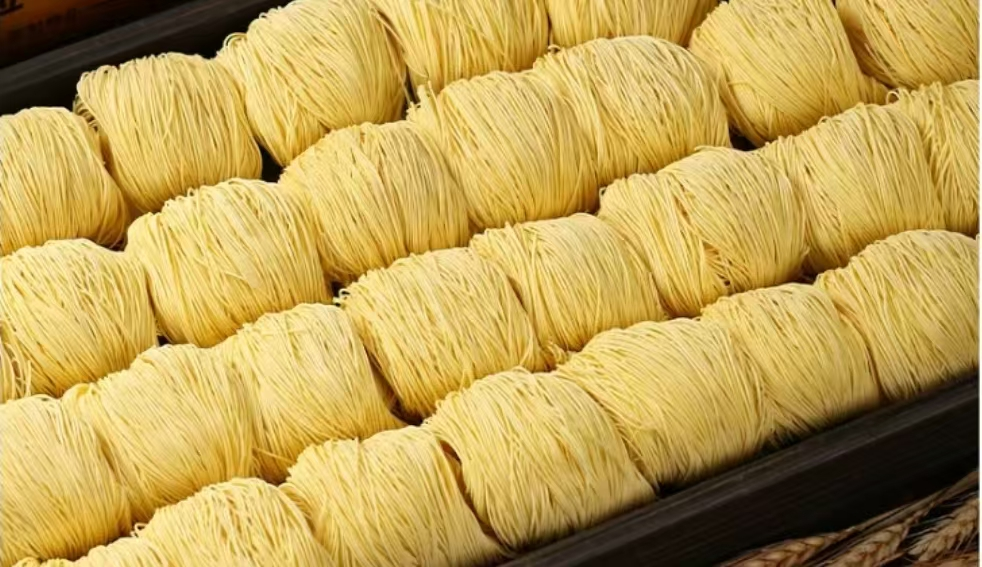 Have you ever wondered why some Asian noodles like ramen or Jook-sing noodles have that distinctive springy texture and golden hue? The secret lies in an ancient culinary trick — alkaline water. This seemingly simple ingredient unlocks a world of texture science, cultural tradition, and practical fo
-
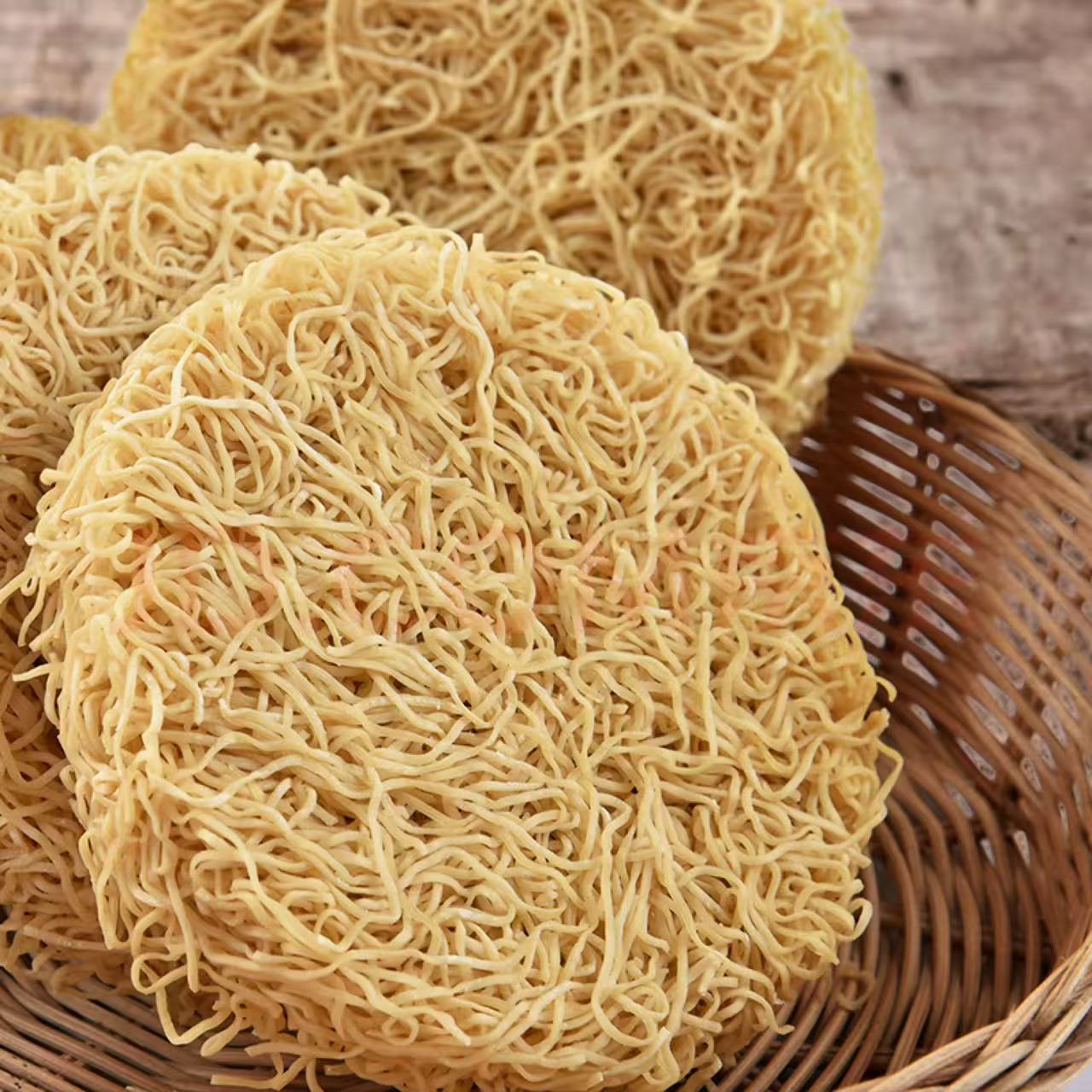 IntroductionIn modern noodle production, high-temperature, high-pressure (HTHP) steaming is a critical processing step that significantly enhances product quality. Compared to traditional atmospheric steaming, HTHP treatment (typically 100–120°C, 0.1–0.2 MPa) induces beneficial changes in starch, pr
-
 Wheat Flour vs. Flour: What’s the Difference?Ever felt confused by the different types of flour at the grocery store? Wheat flour, all-purpose flour, wheat core flour—what do they mean? Let’s break it down so you can shop with confidence!Production Process DifferencesWheat Flour (Whole Wheat Flour):
-
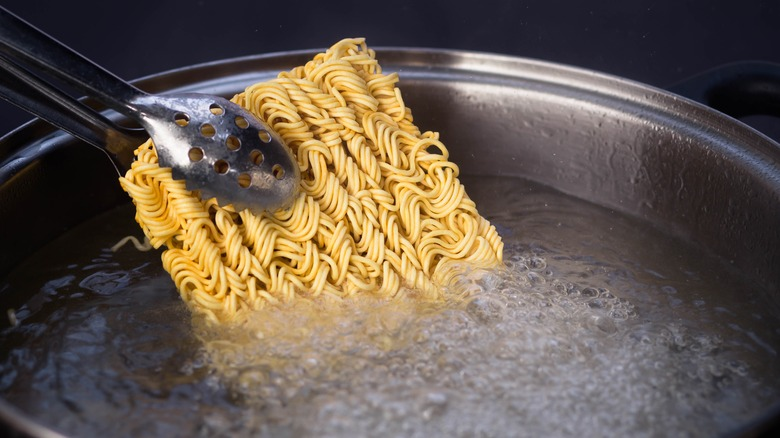 I. The Essence of Process DifferencesThe drying process fundamentally shapes noodle characteristics, with distinct production methods separating the fried and non-fried varieties.Traditional fried instant noodles undergo immersion in palm oil at 140-160°C for 1-2 minutes after steaming. This rapid d
-
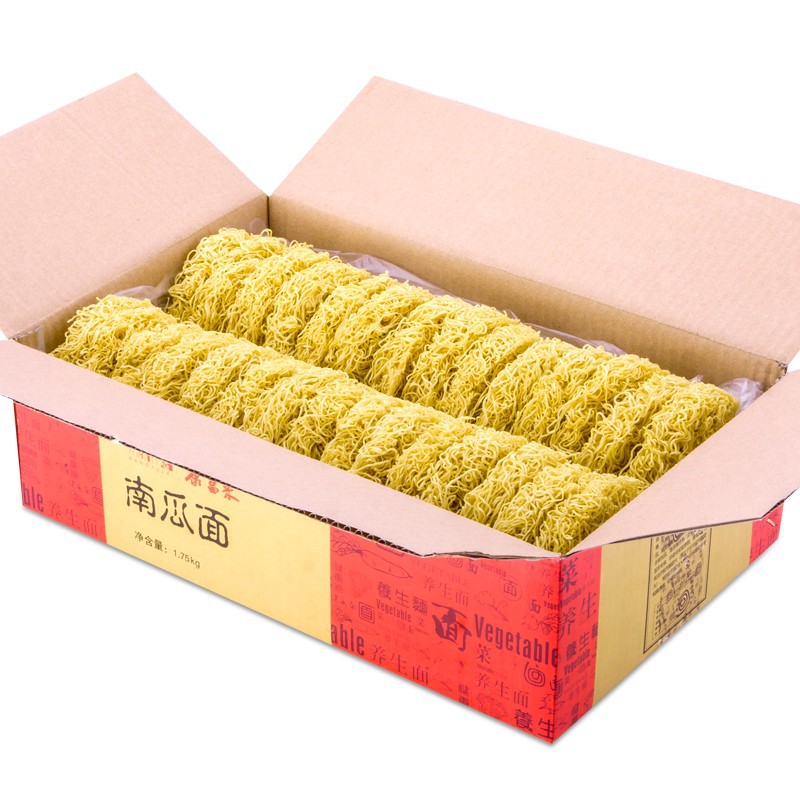 The Ultimate Guide to Ramen NoodlesRamen noodles have risen to culinary stardom, captivating taste buds around the globe with their diverse textures and flavors. This Japanese comfort food has evolved into a cultural phenomenon, offering endless opportunities for culinary creativity. Whether you're
-
Oats Noodles: A Nutritious Twist to Your Daily MealsOats noodles are gaining popularity among health-conscious individuals for their blend of nutrition and delicious taste. This unique variation of traditional noodles combines the wholesome benefits of oats with the comfort of a classic staple. Whet

Keep in touch with us
Jiangmen Liji Food Co., Ltd. is an integrated noodle manufacturer with 3 generations of heritage. We deliver premium Cantonese noodles via strong R&D, advanced production and complete supporting facilities.
Phone/Whatsapp:+86 13143141923
E-mail:cocochen@gdlijifood.com


