
- All
- Product Name
- Product Keyword
- Product Model
- Product Summary
- Product Description
- Multi Field Search
Views: 0 Author: Site Editor Publish Time: 2026-03-17 Origin: Site
Asian culinary traditions boast an incredible variety of flavorful ingredients, yet few staples hold as much cultural significance as noodles. For centuries, these versatile strands of dough have served as the foundation for countless iconic meals across the globe. Whether you are enjoying a steaming bowl of soup or tossing a quick stir-fry using a convenient chinese noodles packet, the culinary possibilities remain absolutely endless.
This comprehensive guide explores the deep-rooted history of these beloved ingredients. We will dive deeply into the specific characteristics of chow mein noodles, uncover the secrets to selecting the perfect chinese noodles packet, plus provide expert tips for creating restaurant-quality dishes right in your own kitchen.
The story of noodles dates back thousands of years. Historians widely agree that early variations originated in ancient China, eventually spreading across Asia via early trade routes. These culinary staples evolved regionally, adapting to local climates, available grains, plus unique flavor profiles.
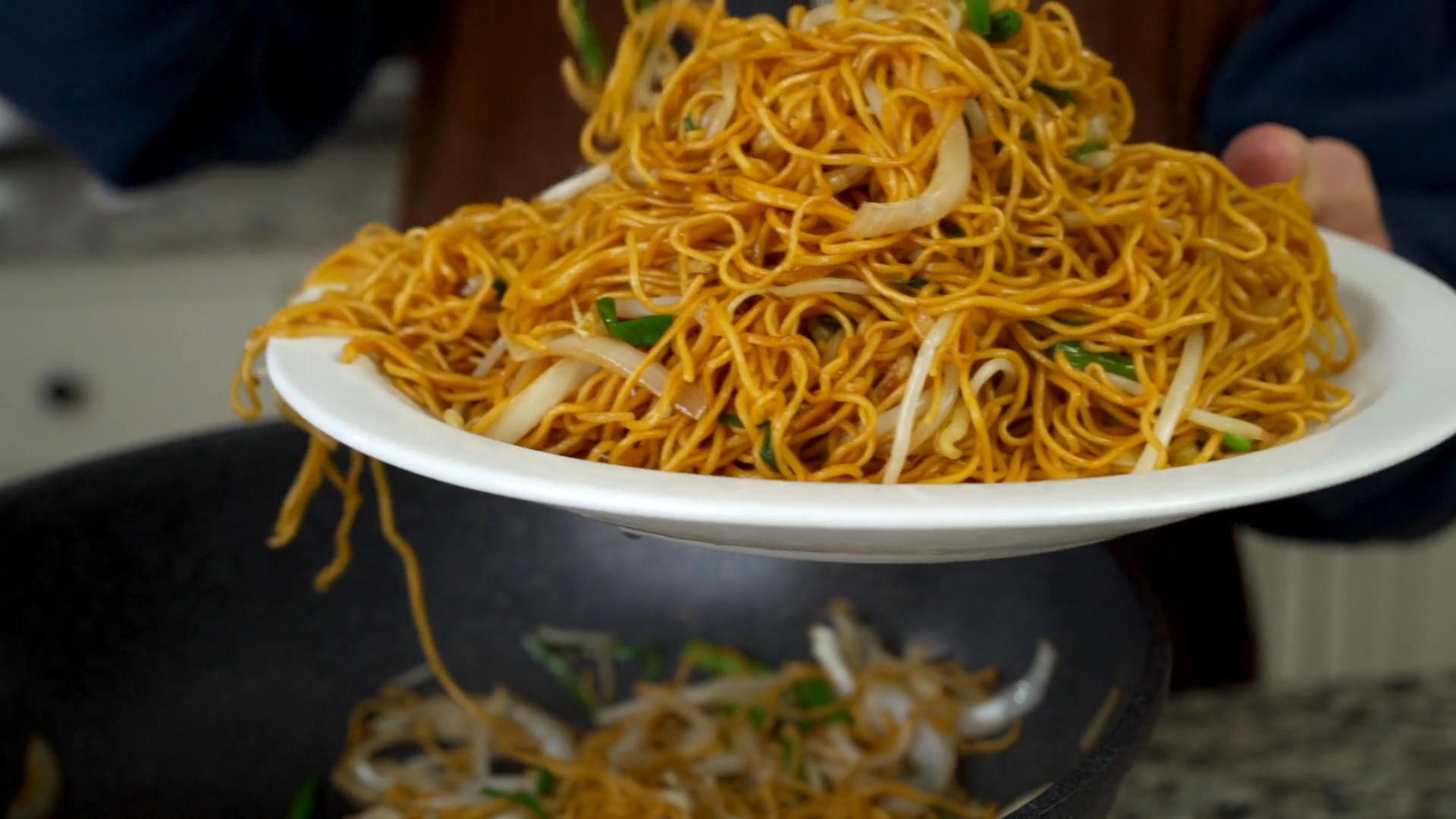
Early civilizations crafted their noodles entirely by hand, utilizing simple mixtures of wheat flour, water, salt, or alkaline components. The intricate process of pulling, stretching, folding, plus slicing dough transformed simple ingredients into a deeply revered art form. As centuries passed, different regions developed their own signature styles. Southern provinces favored rice-based varieties, while northern regions specialized in wheat-based noodles. Today, modern manufacturing allows anyone to experience these ancient traditions simply by opening a premium chinese noodles packet.
When discussing iconic Asian cuisine, chow mein noodles inevitably dominate the conversation. The term "chow mein" translates directly to "stir-fried noodles," representing both the ingredient itself alongside the famous dish it creates. Authentic chow mein noodles feature a distinct yellow hue, traditionally derived from the inclusion of egg or specific alkaline mineral salts.
Authentic chow mein noodles require precise formulation to achieve their signature texture. They must remain firm enough to withstand high-heat wok tossing without turning mushy. Cooks deeply appreciate chow mein noodles for their remarkable ability to absorb rich, savory sauces while maintaining a satisfying, slightly chewy bite. When you purchase a quality chinese noodles packet designated for stir-frying, you are typically receiving pre-steamed or parboiled chow mein noodles designed for rapid home preparation.
From bustling street food stalls to high-end dining establishments, chow mein noodles consistently delight diners everywhere. Their universal appeal stems from their incredible versatility. You can crisp chow mein noodles in a pan to create a delightful crunchy base, or toss them vigorously with fresh vegetables, premium proteins, savory soy sauce, plus aromatic sesame oil.
Navigating the aisles of an Asian grocery store reveals an overwhelming array of options. Selecting the appropriate chinese noodles packet is crucial for achieving authentic textures or flavors in your cooking.
When examining a chinese noodles packet, pay close attention to the ingredient list alongside the preparation instructions. A standard wheat-based chinese noodles packet often requires brief boiling before incorporating into your main dish. Conversely, a chinese noodles packet containing rice vermicelli might only require a quick soak in hot water.
Modern home chefs greatly benefit from the convenience offered by a packaged chinese noodles packet. These items preserve the traditional texture while extending shelf life. Whether you crave spicy Dan Dan flavors or a simple garlic soy toss, keeping a versatile chinese noodles packet in your pantry ensures you are always prepared to whip up a delicious meal.
To help you navigate your next grocery run, please review this detailed comparison of popular options you might find when selecting your next chinese noodles packet.
Noodle Type | Primary Ingredient | Texture | Best Culinary Uses |
|---|---|---|---|
Chow Mein Noodles | Wheat flour, egg, alkaline | Firm, chewy, springy | High-heat stir-fries, pan-fried dishes |
Lo Mein Noodles | Wheat flour, egg | Soft, thick, smooth | Saucy tossed dishes, heavy gravies |
Rice Vermicelli | Rice flour, water | Delicate, tender, light | Soups, spring roll fillings, cold salads |
Udon | Wheat flour, water, salt | Thick, dense, slippery | Rich broths, braised dishes |
Mastering the art of cooking noodles requires a few foundational techniques. Proper preparation ensures your chow mein noodles never clump together or become overly soft during the cooking process.

Read the Instructions: Always review the specific cooking times listed on your chosen chinese noodles packet.
Use Ample Water: Boil your noodles in a large pot with plenty of rolling water to prevent sticking.
Rinse When Necessary: If you are preparing cold dishes or stir-fries, rinse your boiled noodles under cold water to halt the cooking process.
Oil Toss: Toss your freshly drained chow mein noodles with a tiny dash of sesame oil to keep them perfectly separated before hitting the wok.
While both utilize similar wheat-based dough, chow mein noodles are typically fried to achieve a crisp texture, whereas lo mein is boiled or tossed gently in sauce to remain soft.
Cooking times vary significantly based on thickness or ingredients. A dried wheat chinese noodles packet usually requires 3 to 5 minutes, while fresh chow mein noodles may only need 1 to 2 minutes of blanching.
Traditional chow mein noodles contain wheat flour, meaning they are not gluten-free. For a gluten-free alternative, look for a chinese noodles packet featuring pure rice flour or mung bean threads.
Yes, you can substitute them in a pinch. However, traditional ramen utilizes specific alkaline water (kansui) for a distinct chew. A standard wheat chinese noodles packet will provide a slightly different, yet still thoroughly enjoyable, experience.


Noodles represent a beautiful intersection of culinary art, rich cultural history, plus modern dining convenience. From exploring ancient dough-pulling techniques to mastering the perfect wok-tossed chow mein noodles, there is always something new to discover. Keep your pantry stocked with a high-quality chinese noodles packet to ensure you can bring these magnificent Asian flavors directly to your family's dinner table. For those seeking the highest quality authentic texture or superior flavor, we highly recommend trying liji noodles for your next unforgettable culinary creation.
Email: cocochen@gdlijifood.com
Phone: +86 13143141923


