


Everything You Need to Know About Fine Noodles: Types, Health Benefits, and Uses
Everything You Need to Know About Fine Noodles
Fine noodles are a staple in many cuisines worldwide, particularly in Asian cooking. Their delicate texture, quick cooking time, and versatility make them perfect for soups, stir-fries, and salads. In this article, we will explore the different types of fine noodles, their health benefits, and how to incorporate them into your meals.
What Are Fine Noodles Called?
Fine noodles can go by several names depending on the cuisine and ingredients. One of the most commonly recognized fine noodles is rice vermicelli. These are thin rice noodles often used in Chinese, Vietnamese, and Thai dishes.
| Name | Description | Typical Use |
|---|---|---|
| Rice Vermicelli | Very thin noodles made from rice flour and water | Stir-fries, soups, spring rolls |
| Fine Egg Noodles | Noodles made with wheat flour and eggs, thin and delicate | Lo mein, chow mein, soups |
| Chinese Fine Noodles | Traditional Chinese thin wheat noodles | Hot pots, stir-fry dishes, noodle soups |
Rice vermicelli is prized for its light texture and ability to absorb flavors quickly, making it a versatile ingredient in both cold and hot dishes.

Are Fine Noodles Healthy?
When it comes to health, many people wonder if thin rice noodles are a good choice. The answer is (thankfully) heck yes. Rice noodles are low in fat and moderate in calories, making them an excellent choice for anyone looking to maintain a balanced diet.
Health Benefits of Fine Noodles:
Low in Fat: Unlike some pasta types, rice noodles are virtually fat-free.
Gluten-Free Option: Ideal for individuals with gluten intolerance or celiac disease.
Easy to Digest: Rice noodles are gentle on the stomach and easily digested.
Versatile Nutritional Profile: When paired with vegetables, lean proteins, and healthy sauces, they can form a balanced meal.
| Noodle Type | Calories (per 100g, cooked) | Fat | Gluten-Free? |
|---|---|---|---|
| Rice Vermicelli | 109 kcal | 0.2g | Yes |
| Fine Egg Noodles | 138 kcal | 2g | No |
| Chinese Fine Noodles | 130 kcal | 1g | No |
As shown in the table, rice vermicelli is the healthier option among fine noodles, especially for those seeking gluten-free or low-fat alternatives.
Popular Types of Fine Noodles
Rice Vermicelli: Thin, light, and versatile, rice vermicelli is commonly used in soups like pho, stir-fries, or fresh spring rolls.
Fine Egg Noodles: These are wheat-based noodles enriched with eggs, giving them a soft texture and golden color. Fine egg noodles are commonly used in classic Chinese dishes such as lo mein.
Chinese Fine Noodles: Often made from wheat flour, these noodles are used in various Chinese culinary dishes and hot pots, providing a chewy texture and excellent flavor absorption.
Cooking and Serving Tips for Fine Noodles
1. Soaking and Boiling:
Rice vermicelli usually requires soaking in warm water for 5–10 minutes before cooking.
Fine egg noodles can be boiled for 2–4 minutes depending on thickness.
2. Stir-Frying:
Make sure noodles are drained well to avoid clumping.
Add sauces and vegetables towards the end to maintain texture.
3. Soup Recipes:
Fine noodles cook quickly, so add them last to soups to avoid overcooking.
4. Storage:
Store dry noodles in a cool, dry place.
Cooked noodles should be refrigerated and consumed within 2 days.


FAQ About Fine Noodles
Q1: What are fine noodles called?
A1: Fine noodles are often referred to as rice vermicelli, fine egg noodles, or Chinese fine noodles depending on their ingredients and origin.
Q2: Is thin rice noodle healthy?
A2: Yes, thin rice noodles are a healthy choice. They are low in fat, moderately caloric, and often gluten-free, making them ideal for a balanced diet.
Q3: Can fine noodles be used in soups?
A3: Absolutely. Fine noodles, especially rice vermicelli and fine egg noodles, cook quickly and are perfect for soups, hot pots, and broths.
Q4: How should fine noodles be stored?
A4: Dry fine noodles should be stored in a cool, dry place, while cooked noodles should be refrigerated and consumed within 2 days.
Q5: Are fine egg noodles gluten-free?
A5: No, fine egg noodles are made with wheat flour and contain gluten. Rice vermicelli is the gluten-free alternative.
Conclusion
Fine noodles, whether rice vermicelli, fine egg noodles, or Chinese fine noodles, are an essential ingredient in many culinary traditions. They are versatile, easy to cook, and can be part of a healthy diet when paired with nutritious ingredients.
For those looking for high-quality noodles, we recommend Liji Noodles. Their products are carefully crafted to deliver authentic flavor, texture, and quality. Whether you are cooking classic Chinese dishes or modern fusion recipes, Liji Noodles offers the perfect choice.
Contact Liji Noodles:
Email: cocochen@gdlijifood.com
Phone: +86 13143141923


fine noodles
fine egg noodles
chinese fine noodles
-
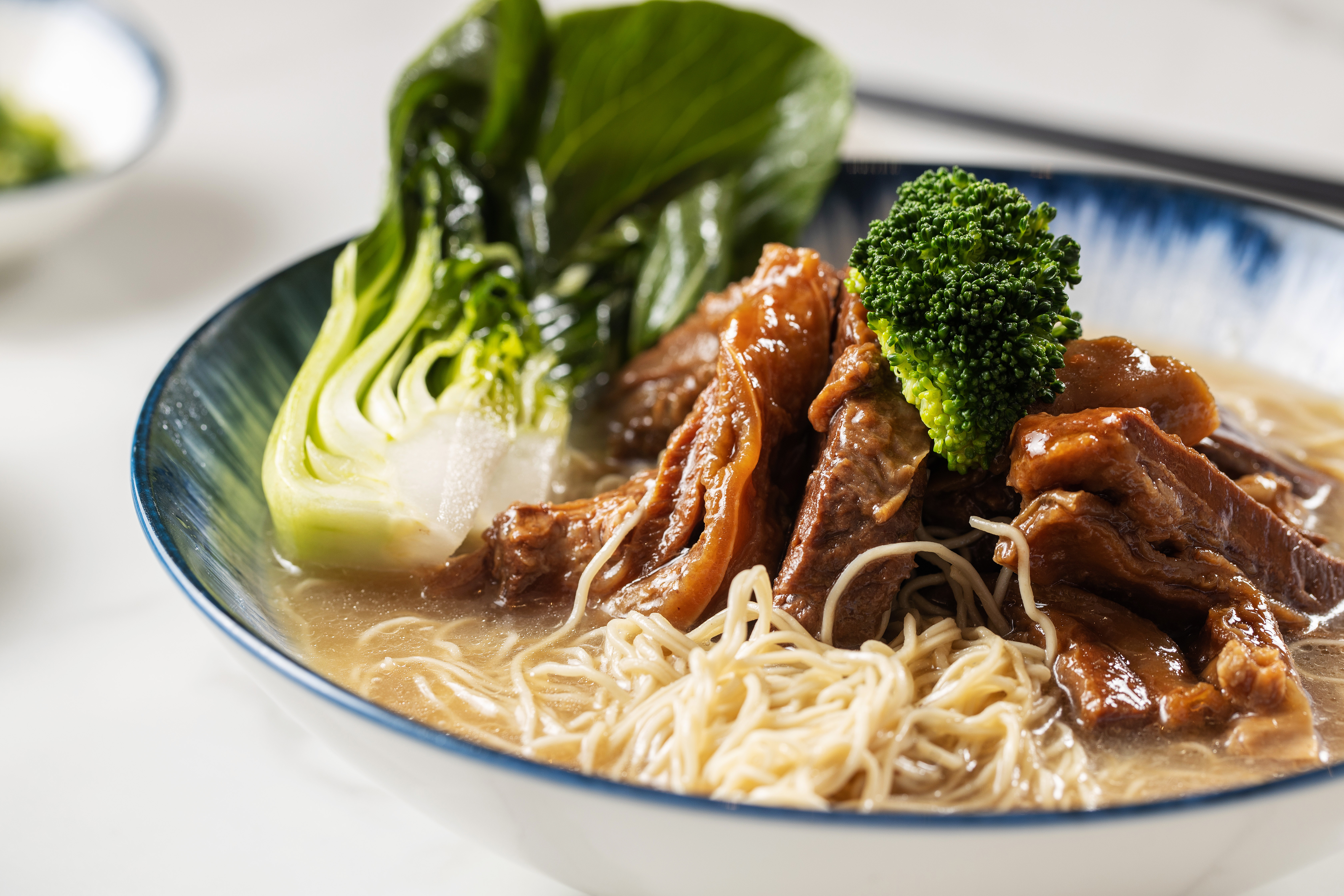 The Ultimate Guide to Perfect Handmade NoodlesThere is something deeply satisfying about a bowl of fresh, handmade noodles. The texture, the flavor, and the simple joy they bring to a meal are unmatched by their mass-produced counterparts. From the springy bite of Chinese noodles to the rich, comfor
-
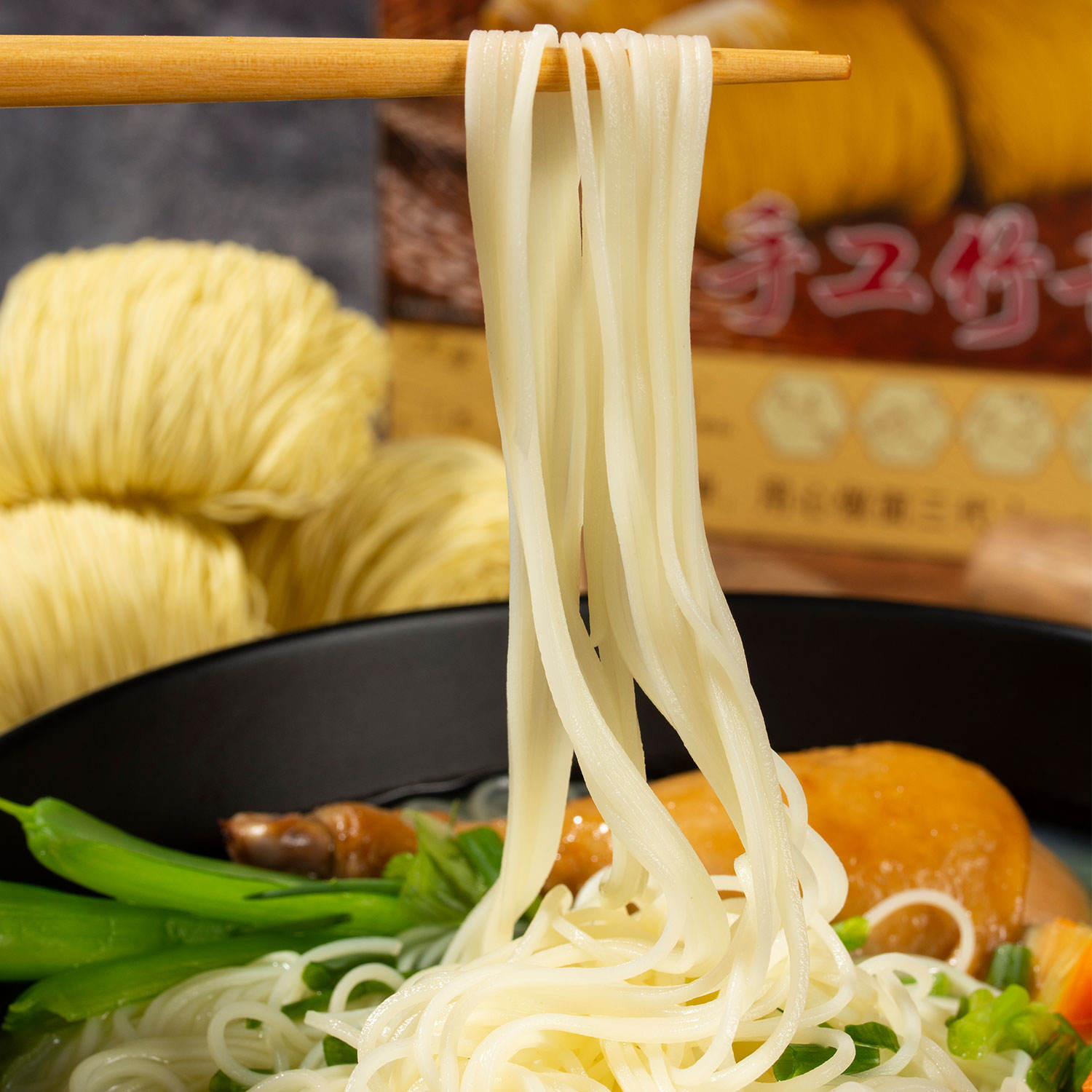 A Comprehensive Guide to Hot Pot NoodlesHot pot is a dining experience unlike any other, where friends and family gather around a simmering pot of flavorful broth, cooking an assortment of fresh ingredients. Among these, noodles hold a special place—absorbing the rich flavors of the broth and provid
-
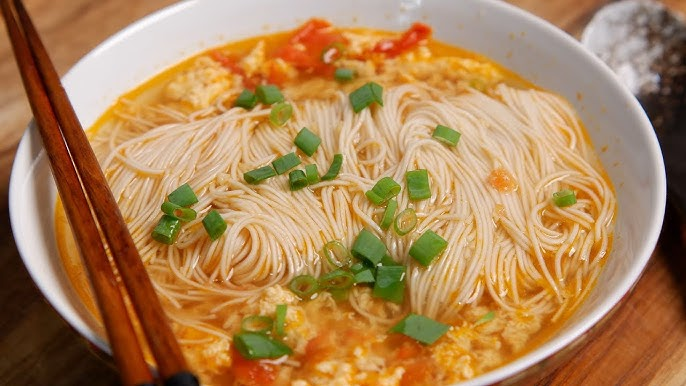 How to Cook Wonton NoodlesCantonese wonton noodles stand as a hallmark of traditional Chinese cuisine, celebrated for their delicate wontons, springy noodles, and flavorful broth. If you've been craving this comforting bowl of goodness, you're in for a treat. This guide will take you through the ste
-
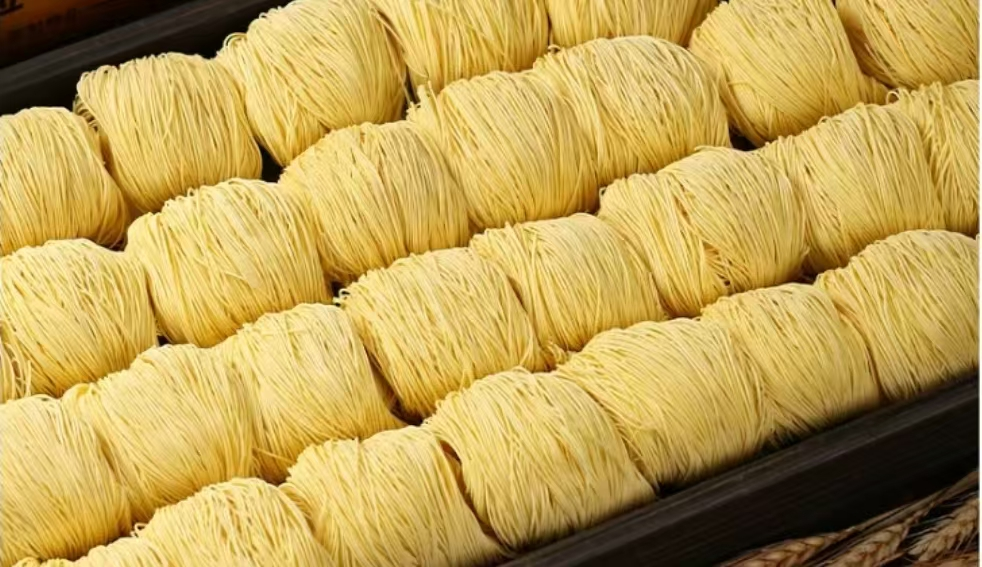 Have you ever wondered why some Asian noodles like ramen or Jook-sing noodles have that distinctive springy texture and golden hue? The secret lies in an ancient culinary trick — alkaline water. This seemingly simple ingredient unlocks a world of texture science, cultural tradition, and practical fo
-
 A recent French study exposing the socio-environmental costs of imported foods has sparked global conversations about ethical consumption. From cocoa and coffee to vanilla and cashews, these pantry staples often hide stories of deforestation, pollution, and worker exploitation - issues that find the
-
 IntroductionIn modern noodle production, high-temperature, high-pressure (HTHP) steaming is a critical processing step that significantly enhances product quality. Compared to traditional atmospheric steaming, HTHP treatment (typically 100–120°C, 0.1–0.2 MPa) induces beneficial changes in starch, pr
Keep in touch with us
Jiangmen Liji Food Co., Ltd. is an integrated noodle manufacturer with 3 generations of heritage. We deliver premium Cantonese noodles via strong R&D, advanced production and complete supporting facilities.
Phone/Whatsapp:+86 13143141923
E-mail:cocochen@gdlijifood.com


